1872
Thermopylae (Едвард Лір, 1872)
Едвард Лір (1812–1888) створив Thermopylae. Дата створення — 1872. Екземпляр зберігається в Ашмолеанський музей мистецтва та археології у Оксфорд, Велика Британія. Розмір: 34 × 54 cm
- 1872
- 34 × 54 cm
- Ашмолеанський музей мистецтва та археології, Оксфорд

 Переглянути в інтер'єрі

 Картина олією ручної роботи
 Надіслати як листівку
 Поділитися
 Інформаційна картка


 Завантажити
 Схожі екземпляри
 Рентгенівське дослідження
 Слайд-шоу
 Питання та відповіді

 Статистика
Thermopylae коротко
- Назва
- Thermopylae
- Художник
- Едвард Лір (1812–1888)
- Рік народження митця
- Гайґейт, Сполучене Королівство
- Дата
- 1872
- Розміри
- 34 × 54 cm
- Де подивитися
- Ашмолеанський музей мистецтва та археології, Оксфорд, Велика Британія
- Період
- 19th Century
- Сюжет
- landscape, mountains, nature, people, vista, outdoors
Що зображено на Thermopylae?
A Vista of Eternal Grandeur
In his 1872 masterpiece, Thermopylae, Edward Lear invites the viewer to step beyond the boundaries of the everyday and into a realm where the majesty of the earth meets the quiet contemplation of the human spirit. The painting presents a breathtaking panorama, capturing a group of figures perched upon a verdant hilltop, their gazes lost in the infinite expanse of a distant mountain range. There is a profound sense of scale at play here; the vastness of the horizon serves as a silent protagonist, dwarfing the small assembly of people while simultaneously connecting them to the ancient, rugged landscape. Lear, a master of capturing both the whimsical and the sublime, uses this composition to explore the delicate equilibrium between humanity and the untamed natural world.
The technique employed in this work reflects the exquisite precision characteristic of the Victorian era's fascination with landscape realism. Through a masterful application of light and shadow, Lear breathes life into the undulating terrain, creating a sense of depth that pulls the eye from the textured foreground toward the hazy, ethereal peaks of the far distance. The brushwork, while controlled, possesses an organic fluidity that mimics the movement of wind through the valleys and the soft diffusion of light across the mountain slopes. For the discerning collector or interior designer, this piece offers a sophisticated interplay of color and atmosphere, making it an ideal focal point for spaces that require a sense of tranquility and intellectual depth.
The Soul of the Landscape
Beyond its visual splendor, Thermopylae resonates with a deep emotional intelligence. The figures within the scene are not merely spectators; they are embodiments of awe. Their presence imbues the landscape with a narrative of shared experience and quiet reverence. There is an inherent symbolism in the choice of the Thermopylae setting—a location steeped in historical weight—yet Lear strips away the violence of conflict to focus on the enduring, peaceful permanence of the earth itself. The painting suggests that even amidst the fleeting nature of human life, there exists a monumental beauty that remains unchanged by time.
For those seeking to curate an environment of inspiration, this reproduction serves as more than just decoration; it is a window into a moment of pure connection. The soft palette and sweeping vistas evoke a feeling of "the sublime," a concept central to 19th-century Romanticism, where the beauty of nature inspires both wonder and a touch of melancholy. Integrating such a work into a home or gallery space provides an anchor of serenity, inviting guests to pause, breathe, and reflect upon the magnificent scale of the world around them.
У якому музеї зберігається Thermopylae?
Ашмолеанський музей мистецтва та археології
Оксфорд, Велика Британія
Витоки та історія музею Історія Ашмолеанського музею мистецтва та археології бере свій початок із приватної колекції Еліаса Ешмола — антиквара, який у 1677 році передав свої скарби Університету. Цей щедрий жест заклав фундамент для створення першого в Британії публічного музею. Перша будівля була зведена між 1678 та 1683 роками, щоб стати домівкою для цих рідкісних дивовижних предметів, серед яких були римські монети та єгипетські мумії.


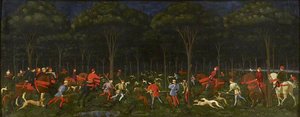
Зображення високої роздільної здатності Thermopylae
Суспільне надбання: художник помер у 1888 році.
Едвард Лір, Thermopylae (1872), Ашмолеанський музей мистецтва та археології. Суспільне надбання
Відповіді на запитання про Thermopylae
Де можна побачити оригінал «Thermopylae» роботи Едвард Лір?
«Thermopylae» роботи Едвард Лір експонується в Ашмолеанський музей мистецтва та археології, Оксфорд, Велика Британія. У описі музею йдеться про оригінальний твір, а не про репродукції.
У якому році було створено «Thermopylae» роботи Едвард Лір?
«Thermopylae» датована 1872 роком. Ця дата дозволяє визначити місце твору в творчому шляху Едвард Лір та відповідну епоху.
Які розміри оригінального твору «Thermopylae» роботи Едвард Лір?
«Thermopylae» має розмір 34 x 54 cm в оригіналі. Оригінальні розміри є корисним орієнтиром під час вибору розміру репродукції.
Які сюжети зображені у «Thermopylae» роботи Едвард Лір?
Сюжетами твору "Thermopylae" є landscape, mountains, nature, people, vista, outdoors.
Чи є «Thermopylae» роботи Едвард Лір суспільним надбанням?
«Thermopylae» роботи Едвард Лір перебуває у є суспільним надбанням — термін дії авторського права закінчився. Цей статус визначає правила відтворення зображення твору.
Хто є автором твору "Thermopylae"?
Автором твору «Thermopylae» є Едвард Лір. Робота внесена до каталогу під іменем Едвард Лір.
Який етап творчого розвитку Едвард Лір представляє твір "Thermopylae"?
«Thermopylae» належить до Mature Period Едвард Лір.
Скільки років було Едвард Лір, коли він(ла) створив(ла) "Thermopylae"?
Едвард Лір створив(ла) «Thermopylae» у віці 60 років. Митець народився(лася) у 1812, а дата створення твору — 1872.
Чому статус авторського права на "Thermopylae" саме такий?
«Thermopylae» за авторством Едвард Лір перебуває у є суспільним надбанням — термін дії авторського права закінчився. Термін дії авторського права розраховується з року смерті митця; Едвард Лір помер(ла) у 1888.
Про художника Едвард Лір

1812–1888, Сполучене Королівство
Едвард Лір
A Life Painted in Nonsense and Light Edward Lear, a name inextricably linked with whimsical verse and delightfully peculiar illustrations, was far more than simply the creator of limericks and fantastical creatures. Born in 1812 in Holloway, North London, into a family teeming with twenty-one children – a chaotic yet vibrant backdrop to his formative years – Lear’s early life was shaped by both financial instability and an undeniable artistic talent. His father, Jeremiah Lear, faced considerable hardship following the Napoleonic Wars, forcing young Edward to begin earning a living through his drawings at the tender age of fifteen. This early necessity, however, ignited within him a lifelong passion that would propel him across continents, capturing the world in a kaleidoscope of vibrant hues and playful lines.
Також за участю Едвард Лір
 Cogoleto, Italy
 Crescenza
 Blue And Yellow Macaw
 View of Taormina in Sicily with Etna in the distance1852
Есе до твору Thermopylae
 Whispers of Antiquity: The Ethereal Beauty of Ruins in Impressionist ArtStep into a world where time meets light. Explore the enchanting beauty of ruins in Impressionist masterpieces. At OriginalUniqueArt.com, w…
 25 Masterpieces of Giorgio de Chirico: Exploring Metaphysical ArtStep into the haunting dreamscapes of Giorgio de Chirico. Explore 25 iconic Metaphysical paintings, from eerie shadows to surrealist enigma…
 Джеймс Ебботт МакНейл Вістлер: 25 шедеврів імпресіонізму для вашого дому | OriginalUniqueArtВідкрийте 25 шедеврів Джеймса Вістлера – імпресіонізм, портрети та нічні сцени. Історія мистецтва, техніки живопису та натхнення для декору…