Cubist Landscape · 1934
Cuenca (Девід Бомберг, 1934)
Девід Бомберг (1890–1957) створив Cuenca. Дата створення — 1934. Він належить до напряму Cubist Landscape. Виконано в Олія на полотні. Екземпляр зберігається в Walker Art Gallery у Ліверпуль, Сполучене Королівство. Розмір: 32 × 40 cm
- 1934
- Олія на полотні
- 32 × 40 cm
- Walker Art Gallery, Ліверпуль

 Переглянути в інтер'єрі

 Картина олією ручної роботи
 Надіслати як листівку
 Поділитися
 Інформаційна картка


 Завантажити
 Схожі екземпляри
 Рентгенівське дослідження
 Слайд-шоу
 Питання та відповіді

 Статистика
Cuenca коротко
- Назва
- Cuenca
- Художник
- Девід Бомберг (1890–1957)
- Рік народження митця
- Бірмінгем, Сполучене Королівство
- Дата
- 1934
- Матеріал
- Олія на полотні
- Розміри
- 32 × 40 cm
- Де подивитися
- Walker Art Gallery, Ліверпуль, Сполучене Королівство
- Період
- — Модерн
Що зображено на Cuenca?
A Mountain Reverie: The Soul of Cuenca
In his 1934 masterpiece, Cuenca, David Bomberg invites the viewer into a profound meditation on solitude and the enduring resilience of life amidst the overwhelming grandeur of nature. This oil on canvas transcends a mere topographical record of a Spanish hillside; it is an evocative window into a landscape where human presence and geological majesty exist in a delicate, poetic tension. The painting captures a panoramic view of a town nestled precariously yet harmoniously upon a rugged slope, where humble dwellings are scattered like quiet thoughts across the vast, undulating terrain. Through his masterful command of the medium, Bomberg distills the essence of this mountainous vista, offering an experience that is as much about emotional depth as it is about visual splendor.
The composition is anchored by a sense of monumental scale, with towering mountains dominating the horizon and creating a backdrop of immense power. In the foreground, trees punctuate the view, providing essential textural contrast and guiding the eye into the expansive scene. The sky, draped in soft, cloudy layers, lends an atmospheric weight to the work, suggesting the shifting moods of a mountain climate. This deliberate framing creates a captivating dialogue between the intimacy of the human settlement and the infinite scale of the natural world, fostering a contemplative space where themes of permanence and vulnerability intertwine.
Technique and the Language of Form
Rooted in the transformative principles of Modernism, Cuenca showcases Bomberg’s sophisticated engagement with the legacies of Cubism and the structural insights of Cézanne. The artist employs a technique that prioritizes geometric simplification and multiple perspectives to sculpt spatial depth within the landscape. Rather than relying on rigid outlines, he utilizes loose, expressive brushstrokes that capture the very dynamism of the mountain air, imbuing the scene with a palpable sense of movement and life. This fluid application of paint allows the forms of the mountains and buildings to emerge organically from the canvas.
The color palette is masterfully restrained, leaning toward muted, earthy tones—predominantly rich browns and deep greens—that reflect the subdued, soulful hues characteristic of an autumnal landscape. Bomberg’s skillful use of tonal gradations allows him to define mass and volume, creating a sense of "the artist's consciousness of mass." This approach ensures that every element, from the smallest stone structure to the most distant peak, possesses a physical presence that feels both grounded and ethereal. For the discerning collector or interior designer, this work offers a sophisticated interplay of texture and tone, making it a timeless addition to any curated space.
Historical Resonance and Emotional Impact
To understand Cuenca is to understand a pivotal moment in Bomberg’s artistic evolution. Created during a period when the artist was moving away from the radical, fractured geometries of his earlier Cubo-Futurist years, this work represents a return to an aesthetic rooted in nature and organic form. The trauma of the First World War and the subsequent shift toward a more figurative, landscape-driven style are palpable here; there is a search for the sublime within the natural world that replaces the mechanical fervor of his youth. The painting reflects a period of profound transition, where the artist sought to realize the poetry found in mankind's contemplation of nature.
The emotional impact of the piece lies in its ability to evoke a sense of quiet awe. It is a work that speaks to the heart of anyone moved by the beauty of the untamed world and the quiet strength of those who inhabit it. Whether viewed as a study of light and shadow or as a symbolic representation of human endurance, Cuenca remains a visually arresting composition. For those seeking to bring a sense of historical depth and tranquil majesty into their surroundings, this reproduction serves as a powerful testament to Bomberg’s ability to capture the very breath of the landscape.
У якому музеї зберігається Cuenca?
Walker Art Gallery
Ліверпуль, Сполучене Королівство
Історія Walker Art Gallery Витоки цієї колекції сягають 1819 року, коли Королівська інституція Ліверпуля придбала перші 37 полотен. Це початкове придбання заклало фундамент для колекції, яка невпинно розширювалася протягом наступних десятиліть. Сьогодні Walker Art Gallery є визначною пам'яткою архітектури, що має статус об'єкта, внесеного до списку об'єктів особливої важливості (Grade II*), і наразі входить до складу групи National Museums Liverpool.


Зображення високої роздільної здатності Cuenca

Protected by copyright: these files are for personal reference, not a licence to republish.
Девід Бомберг, Cuenca (1934), Walker Art Gallery.
Відповіді на запитання про Cuenca
Де сьогодні можна побачити «Cuenca» роботи Девід Бомберг?
Оригінал твору «Cuenca» можна побачити в Walker Art Gallery, Ліверпуль, Сполучене Королівство.
У якому році було створено «Cuenca» роботи Девід Бомберг?
«Cuenca» роботи Девід Бомберг було створено у 1934 році.
Яка техніка була використана для створення «Cuenca» роботи Девід Бомберг?
Техніка виконання «Cuenca» роботи Девід Бомберг — Олія на полотні. Репродукції мають на меті відтворити вигляд цієї техніки.
Які розміри оригіналу "Cuenca"?
Розміри оригіналу «Cuenca» роботи Девід Бомберг становлять 32 x 40 cm. Репродукції можна замовити в інших розмірах із збереженням тих самих пропорцій.
Чи не захищений твір "Cuenca" авторським правом?
«Cuenca» роботи Девід Бомберг перебуває у все ще перебуває під захистом авторського права. Цей статус визначає правила відтворення зображення твору.
Хто є автором "Cuenca"?
Автором твору «Cuenca» є Девід Бомберг. Робота внесена до каталогу під іменем Девід Бомберг.
До якого художнього напряму належить «Cuenca» роботи Девід Бомберг?
«Cuenca» — це твір у стилі Cubist Landscape. Назва течії вказує на художню традицію, до якої належить цей твір.
Який етап творчого розвитку Девід Бомберг представляє твір "Cuenca"?
«Cuenca» належить до Mature Period творчого шляху Девід Бомберг. Ця класифікація пов’язує твір із етапом становлення митця.
Скільки років було Девід Бомберг, коли створювався твір "Cuenca" у 1934 році?
Девід Бомберг було 44 років, коли він створив «Cuenca» у 1934 році. Вік обчислено на основі року народження митця, 1890.
Про художника Девід Бомберг

1890–1957, Сполучене Королівство
Девід Бомберг
Ранні роки та художня освіта Народився: Бірмінгем, Сполучене Королівство (5 грудня 1890 р.) Помер: Лондон, Сполучене Королівство (19 серпня 1957 р.) Один із «Хайпелських хлопців» — групи художників Іст-Енду, що заявили про себе на початку XX століття. Народившись у родині польсько-єврейських іммігрантів, Абрахама та Ребекки Бомберг, він спочатку навчався в Технічній художній школі Сіті та Гілдс, перш ніж опанувати професію літографа в Бірмінгемі. Під керівництвом Волтера Сікерта у Вестмінстерській школі мистецтв (1908–1910) він перейняв пристрасть майстра до форми та міського життя. Важливим етапом стало знайомство з творчістю Поля Сезанна завдяки виставці Роджера Фрая «Мане та постімпресіоністи» 1910 року.
Також за участю Девід Бомберг
 Flowers, Evening Gold1947
 Procession1914
 Композиція з фігурами1913
 Flowers in Sunlight1943
Есе до твору Cuenca
 The Architecture of Nature: Paul Cézanne’s Structural Revolution in Color and FormExplore how Paul Cezanne revolutionized art through color and form. Discover the roots of modern abstraction now.
 25 Masterpieces by Francisco de Zurbarán: The Soul of Spanish BaroqueExplore 25 iconic Spanish Baroque masterpieces by Zurbarán. Discover the soul of Tenebrism on OriginalUniqueArt.com.
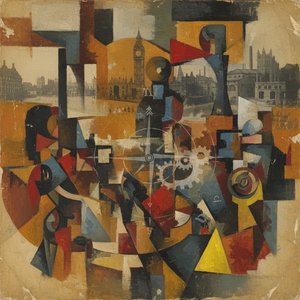 David Bomberg: Reassessing the Pioneering Spirit of Early British AbstractionExplore the groundbreaking work of David Bomberg, a pivotal figure in British abstraction. Discover his artistic evolution, influences, and…