Impressionism · 1883
Cobeas (Клод Моне, 1883)
Клод Моне (1840–1926) створив Cobeas. Дата створення — 1883. Він належить до напряму Impressionism. Виконано в Олія на полотні.
- 1883
- Олія на полотні

 Переглянути в інтер'єрі

 Картина олією ручної роботи
 Надіслати як листівку
 Поділитися
 Інформаційна картка


 Завантажити
 Схожі екземпляри
 Рентгенівське дослідження
 Слайд-шоу
 Питання та відповіді

 Статистика
Cobeas коротко
- Назва
- Cobeas
- Художник
- Клод Моне (1840–1926)
- Рік народження митця
- Париж, Франція
- Дата
- 1883
- Матеріал
- Олія на полотні
- Період
- — XIX століття
Що зображено на Cobeas?
A Symphony of Blossoms: Exploring Monet’s “Cobeas”
Claude Monet, a pivotal figure in the development of Impressionism, gifted the world with paintings that captured not just what he *saw*, but how light and atmosphere transformed his perceptions. Created in 1883, "Cobeas" is a captivating example of this artistic philosophy – a vibrant celebration of nature’s fleeting beauty rendered with characteristic looseness and brilliance. This artwork isn't merely a depiction of flowering vines; it’s an immersive experience of a sun-drenched garden, inviting the viewer to step into a world of color and light.Subject & Composition: A Garden in Full Bloom
“Cobeas” focuses on the cascading beauty of climbing flowers – likely cobaea vines, known for their bell-shaped blossoms – against a warm, golden backdrop. The composition is dynamically vertical, emphasizing the upward reach and exuberant growth of the plant. Rather than a meticulously detailed botanical study, Monet presents an *impression* of a garden scene. A sense of depth is suggested not through strict perspective, but through layering of color and form. The eye is drawn upwards along the vines, creating a feeling of movement and vitality.Impressionistic Technique: Capturing Fleeting Light
Monet’s mastery lies in his revolutionary technique. He eschewed traditional blending methods, instead employing short, broken brushstrokes to build up layers of color. This approach allows the colors to mix optically in the viewer's eye, creating a shimmering, vibrant effect that mimics the way light plays on natural forms. The use of complementary colors – deep purples and reds against yellows and greens – heightens the visual impact and adds to the painting’s overall luminosity. The texture is palpable; you can almost feel the warmth of the sun and the gentle breeze rustling through the leaves.Historical Context & Artistic Innovation
By 1883, Monet was firmly established as a leading figure in the Impressionist movement. He had already challenged academic conventions with his *plein air* painting – working outdoors directly from nature – and his focus on capturing momentary effects of light and color. “Cobeas” exemplifies this commitment. It’s a departure from the historical or mythological subjects favored by earlier artists, instead celebrating the beauty of everyday life and the natural world. This shift in subject matter was radical for its time and paved the way for modern art.Symbolism & Emotional Resonance
While not overtly symbolic, “Cobeas” evokes a sense of joy, abundance, and the ephemeral nature of beauty. The flowering vines represent growth, vitality, and the cyclical rhythms of life. The painting’s overall warmth and luminosity create a feeling of optimism and tranquility. It's an invitation to pause, appreciate the present moment, and find solace in the beauty that surrounds us. It is a testament to Monet’s ability to translate his personal experience of nature into a universally resonant emotional landscape.Bringing “Cobeas” Into Your Space
- Explore our collection of Claude Monet's paintings.
- Discover more about the fascinating world of Impressionism and its key artists.
- Learn about The Art of Painting Styles.
Зображення високої роздільної здатності Cobeas
Суспільне надбання: художник помер у 1926 році.
Клод Моне, Cobeas (1883). Суспільне надбання
Відповіді на запитання про Cobeas
У якому році було створено "Cobeas"?
Яка техніка була використана для створення «Cobeas» роботи Клод Моне?
Чи є «Cobeas» роботи Клод Моне суспільним надбанням?
Якому художнику приписують роботу "Cobeas"?
До якого художнього напряму належить «Cobeas» роботи Клод Моне?
До якого періоду творчості Клод Моне належить твір "Cobeas"?
Скільки років було Клод Моне, коли він(ла) створив(ла) "Cobeas"?
Про художника Клод Моне
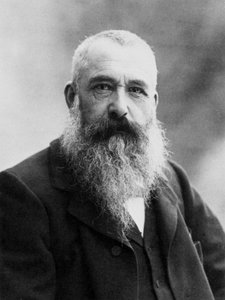
1840–1926, Франція
Клод Моне
Ранні роки, родина та навчання Народившись у Парижі, Франція, 14 листопада 1840 року, Клод Моне увійшов у світ розбіжних очікувань. У той час як його батько, Клод-Адольф Моне, бачив для свого сина більш стабільний професійний шлях, його мати, Луїза-Жюстіна Обрі Моне, забезпечувала тиху підтримку його зростаючим творчим нахилам. Зрештою родина оселилася в Гаврі, Нормандія, де прибережна атмосфера назавжди закарбувалася в пам'яті юного хлопчика. Цей період дитинства був позначений раннім талантом до малювання — навичкою, яка зрештою відвела його від комерційних інтересів, яких надавав перевагу батько.
Також за участю Клод Моне
 Водяні лілії (або Латаття)1916
 Схід Сонця1872
 Тюки сіна: Ефект снігу1891
 Прогулянка. Жінка з парасолькою1875
Есе до твору Cobeas
 Claude Monet’s Giverny: The Living Canvas of Impressionist Light and WaterExplore the luminous world of Monet's Giverny through expert historical insight. Step into his living canvas today.
 French artworks of the 1880sFrench Impressionist masterpieces by Claude Monet, Pierre-Auguste Renoir, and Georges Seurat. Find museum-quality reproductions on Original…
 Capturing Fleeting Moments: Light, Color & Emotion in Impressionistic ArtExplore the captivating world of Impressionism! Discover the techniques, artists (Monet, Renoir, Degas), and enduring legacy of this revolu…