Romantic Industrialization · 1823
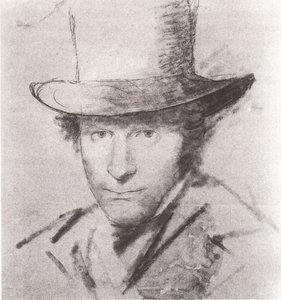
Self-Portrait (Карл Блехен, 1823)
Карл Блехен (1798–1840) створив Self-Portrait. Дата створення — 1823. Він належить до напряму Romantic Industrialization. Виконано в Acrylic. Екземпляр зберігається в Національна галерея у Берлін, Німеччина. Розмір: 26 × 20 cm
- 1823
- Acrylic
- 26 × 20 cm
- Національна галерея, Берлін

 Переглянути в інтер'єрі

 Картина олією ручної роботи
 Надіслати як листівку
 Поділитися
 Інформаційна картка


 Завантажити
 Схожі екземпляри
 Рентгенівське дослідження
 Слайд-шоу
 Питання та відповіді

 Статистика
Self-Portrait коротко
- Назва
- Self-Portrait
- Художник
- Карл Блехен (1798–1840)
- Рік народження митця
- Котбус, Німеччина
- Дата
- 1823
- Матеріал
- Acrylic
- Розміри
- 26 × 20 cm
- Де подивитися
- Національна галерея, Берлін, Німеччина
- Сюжет
- self-portrait, landscape painting, romanticism, german art, baroque style, artist’s vision
Що зображено на Self-Portrait?
A Visionary Encounter with Industry’s Dawn
- Subject Matter: This striking self-portrait by Carl Blechen captures a contemplative gaze directed downwards, presenting an image of intellectual introspection amidst the burgeoning industrial landscape. The artist's posture exudes seriousness and thoughtfulness—a deliberate contrast to the prevailing Romantic preoccupation with sublime landscapes.
- Style: Blechen’s work exemplifies the Romantic Industrialization movement, marking a pivotal shift away from traditional artistic conventions. While rooted in Romantic ideals of emotion and imagination, he simultaneously confronts the realities of industrial progress with unflinching honesty. The portrait eschews idealized beauty for a psychologically nuanced depiction.
- Technique: Executed in black and white lithograph printing, Blechen skillfully employs tonal gradation to convey depth and texture. Lithography, a relatively new technique at the time, allowed for precise reproductions of detail—a testament to Blechen’s artistic vision and his willingness to experiment with innovative methods.
- Historical Context: Created in 1823, this portrait emerged during a period of intense social and intellectual ferment. The Industrial Revolution was reshaping Europe, prompting artists like Blechen to grapple with questions of modernity, alienation, and the human condition. It reflects a broader artistic dialogue concerning how nature and humanity coexist within an evolving world.
- Symbolism: Beyond its formal representation, the self-portrait carries symbolic weight. The downward gaze suggests introspection and contemplation—a desire to reconcile Romantic idealism with the tangible pressures of industrial society. Furthermore, the suit symbolizes professionalism and social responsibility, mirroring Blechen’s own aspirations as he navigated his artistic career.
Lithograph Printing: A Revolutionary Medium
The choice of lithograph printing was particularly significant for Blechen's time. Unlike oil paints or watercolor—the dominant mediums of the Romantic era—lithography offered unparalleled precision and tonal control. Developed in France during the preceding decade, it allowed artists to achieve photographic realism without resorting to camera obscura techniques. This method ensured that Blechen’s portrait would retain its intricate detail and expressive atmosphere for generations to come.Romantic Industrialization: Bridging Imagination and Reality
Blechen's artistic trajectory represents a fascinating intersection between Romantic idealism and the burgeoning realities of industrialization. While acknowledging the sublime beauty of nature—a hallmark of Romantic art—he simultaneously recognized its vulnerability to encroachment by technological advancements. This duality is powerfully conveyed in his self-portrait, prompting viewers to consider the complexities inherent in reconciling aesthetic ideals with societal transformations.Emotional Resonance: A Portrait of Quiet Contemplation
Ultimately, Blechen’s self-portrait transcends mere visual representation; it communicates a profound emotional resonance. The artist's gaze—directed downwards—suggests a preoccupation with internal reflection and a yearning for understanding amidst the turbulent currents of his era. It invites contemplation on themes of identity, purpose, and the enduring human spirit—a timeless message that continues to captivate audiences today.У якому музеї зберігається Self-Portrait?
Національна галерея
Берлін, Німеччина
Історія Національної галереї Берліна Національна галерея є невід'ємною частиною Державних музеїв Берліна. Її витоки сягають колекції, що спочатку була відома як Wagenersche und Nationalgalerie. Саме цей фундамент заклав основу для створення скарбниці мистецтва XIX, XX та XXI століть.


Зображення високої роздільної здатності Self-Portrait

Суспільне надбання: художник помер у 1840 році.
Інші розміри, кадри та цитування →Карл Блехен, Self-Portrait (1823), Національна галерея. Суспільне надбання
Відповіді на запитання про Self-Portrait
Де сьогодні можна побачити «Self-Portrait» роботи Карл Блехен?
Оригінал «Self-Portrait» роботи Карл Блехен зберігається в Національна галерея, Берлін, Німеччина. Репродукція дозволяє прикрасити цим твором ваш дім.
У якому році було створено «Self-Portrait» роботи Карл Блехен?
«Self-Portrait» датована 1823 роком. Ця дата дозволяє визначити місце твору в творчому шляху Карл Блехен та відповідну епоху.
Яка техніка використана у творі "Self-Portrait"?
Техніка виконання «Self-Portrait» роботи Карл Блехен — Acrylic. Репродукції мають на меті відтворити вигляд цієї техніки.
Які реальні розміри має «Self-Portrait» роботи Карл Блехен?
Розмір оригіналу «Self-Portrait» роботи Карл Блехен становить 26 x 20 cm.
Що зображено на творі "Self-Portrait"?
Сюжетами твору "Self-Portrait" є self-portrait, landscape painting, romanticism, german art, baroque style, artist’s vision, psychological depth.
Чи можна вільно відтворювати зображення «Self-Portrait» роботи Карл Блехен?
Щодо авторського права, «Self-Portrait» є є суспільним надбанням — термін дії авторського права закінчився.
Хто є автором твору "Self-Portrait"?
Автором твору «Self-Portrait» є Карл Блехен. Робота внесена до каталогу під іменем Карл Блехен.
До якого художнього напряму належить «Self-Portrait» роботи Карл Блехен?
«Self-Portrait» — це твір у стилі Romantic Industrialization. Назва течії вказує на художню традицію, до якої належить цей твір.
До якого періоду творчості Карл Блехен належить твір "Self-Portrait"?
У межах творчого шляху Карл Блехен твір "Self-Portrait" належить до періоду Early Romanticism. Ця фаза дозволяє порівняти його з іншими роботами митця.
Про художника Карл Блехен
1798–1840, Німеччина
Карл Блехен
Піонер Романтичної Індустріалізації: Життя та Творчість Карла Блехена Карл Едуард Фердинанд Блехен, народжений у Котбусі, Німеччина, в 1798 році, займає унікальне і часто недооцінене місце серед традиції пейзажного живопису. Його життя було відзначене як художньою геніальністю, так і особистими стражданнями – дуальність, яка глибоко вплинула на його виразні та новаторські роботи. Спочатку приречений на прагматичну кар’єру в банківській сфері через фінансові обмеження сім'ї, художні схильності Блехена зрештою взяли гору. Він продовжив навчання в Берлінській академії мистецтв у 1822 році, розпочавши шлях, який зробив його одним із перших художників, які зіткнулися з естетичними викликами – і можливостями – ранньої індустріалізації.
Також за участю Карл Блехен
 Sanssouci Palace1830
 The Interior of the Palm House on the Pfaueninsel Near Potsdam1834
 Tarantella1830
 Afternoon on Capri1829
Есе до твору Self-Portrait
 The Echo of Self: Reflectivity as a Core Theme in Art History & Contemporary PracticeExplore the rich history of self-representation in art, from Renaissance masters to modern innovators. Discover how artists use portraiture…
 The Inner Landscape: Exploring Themes of Introspection in Visual Art Across Movements & ErasExplore the captivating world of introspective art! Discover how artists across eras – from Rembrandt to Kahlo – used self-portraiture to r…
 Romantic Realism's Finest: 10 Masterpieces for Your Home | OriginalUniqueArtExplore 10 defining masterpieces of Romantic Realism! Discover Courbet, Millet & Daumier's powerful paintings—capturing emotion and social …