

 Переглянути в інтер'єрі
 Надіслати як листівку
 Поділитися
 Деталі витвору
 Посібник

 Завантажити
 Схожі екземпляри
 Рентгенівське дослідження
 Слайд-шоу
 Q&A
Q&A Статистика
Apple Fallings


 Розгорнути текст
Мистецький твір, представлений на цій сторінці, захищений законом про авторське право, що унеможливлює легальне створення або продаж його ідентичної репродукції. Цей захист забезпечується відповідно до міжнародних угод, таких як Бернська конвенція та національним законодавством, зокрема положеннями, що викладені в Законодавство США про авторське право — Розділ 17. Всі права захищені. Будь-яке використання без дозволу заборонено.
Цей метод повністю відповідає нормам авторського права, оскільки він не передбачає копіювання чи дублювання захищеного твору мистецтва. Натомість це творче переосмислення — створення нового малюнка під впливом оригіналу, який не є його точним відтворенням.
Гікле / Художній принт
Друк جيкле або на полотні музейної якості з оперативним виготовленням та різноманітними варіантами фінішної обробки. ( Замовити картину ручної роботи Перейти до цифрових зображень)




































Обирайте з наших стандартних розмірів, що відповідають оригінальним пропорціям твору мистецтва.

Введіть необхідну ширину та висоту, щоб принт ідеально підійшов до вашої рами або стіни. Принт можна лише обрізати, але не можна зробити більшим за оригінал, тому при зміні пропорцій частина зображення буде втрачена. Перед друком ми надсилаємо вам цифровий макет для затвердження. Зображення на цій сторінці не відображає реальну обрізку — її можна побачити лише на макеті.
Доставка по всьому світу () за 2 тижні замість стандартних 4/5 тижнів. (28 Жовтень)

Безкоштовна експрес-доставка по всьому світу

Високоякісне лляне полотно

Повне страхове покриття доставки

Гарантія повернення митних зборів

Гарантія точного відтворення кольорів

Політика повернення протягом 100 днів (лише у разі виявлення дефектів)

Гарантія повернення 100% коштів

Пропозиція на оптові замовлення
 Скляний варіант доступний лише для розмірів до 110 см

Apple Fallings
Гікле / Художній принт
Розмір репродукції
-


Підсумкова вартість
₴ 3589
Біографія митця
The Quiet Legacy of Arthur Spooner
In the annals of British art, certain names resonate with thunderous fame, while others linger like a soft mist over a Nottinghamshire meadow, possessing a quiet, enduring grace. Arthur Spooner (1873–1962) belongs to that latter, more intimate category. A painter whose life was deeply rooted in the English landscape, Spooner’s work serves as a window into the atmospheric beauty of a bygone era. Born in Nottingham, his early years were marked by profound personal hardship; raised in an abusive household, he faced significant adversity from a young age. Yet, even amidst such turbulence, a creative spark flickered, fueled by an innate ability to observe and interpret the world around him. This resilience would later manifest in a body of work characterized by a steadfast dedication to capturing the subtle nuances of light, nature, and movement.
Spooner’s artistic journey was shaped by formal discipline and a wandering spirit. He honed his technical prowess at the Nottingham School of Art, an institution that provided him with the foundational tools of his craft. His training instilled in him a respect for realism, yet he was never a mere copyist of nature. Instead, he sought to infuse his subjects with emotion and atmosphere, drawing inspiration from the burgeoning Impressionist movement. This synthesis of precise detail and emotive light allowed him to transcend simple documentation, turning a landscape into a sensory experience. His travels also played a surprising role in his development; tales of his youth performing jigs for workers at the Empire State Building suggest a man who was as much a part of the world's vibrant pulse as he was a silent observer of its landscapes.
Mastery of Light and Form
The true essence of Spooner’s artistry lies in his ability to manipulate texture and tone to evoke specific moods. He was particularly renowned for his equine subjects and landscapes, genres that demanded both anatomical accuracy and a delicate touch. When painting horses, he did not merely depict muscle and mane; he captured the very breath and kinetic energy of the animal, utilizing subtle tonal variations to suggest movement and vitality. His landscapes were equally evocative, often featuring scenes such as the serene Saints Bay in Guernsey or the nostalgic, dappled light of Apple Fallings. In these works, one can observe a masterful use of impasto and soft, blended brushstrokes that create a palpable sense of depth and atmosphere.
His technical repertoire was diverse, allowing him to navigate between different artistic temperaments:
- Impressionistic Light: A profound ability to render the fleeting qualities of sunlight, particularly during the "golden hours" of dawn or dusk.
- Realist Precision: An exacting eye for detail in the rendering of foliage, rocks, and animal musculature, ensuring a grounded sense of reality.
- Atmospheric Depth: The use of misty, soft-focus techniques to create a sense of distance and contemplative stillness, as seen in works like Misty Autumn.
A Lasting Impression on the Nottinghamshire Scene
While Spooner may not have sought the global spotlight, his contributions to the British art scene were significant and deeply felt within his local community. His appointment as an Associate Member of the Royal Academy (RBA) in 1920 served as a formal recognition of his skill and standing among his peers. As a teacher at the Nottingham School of Art, he also played a vital role in nurturing the next generation of British painters, passing on the traditions of landscape and figurative art that he had so masterfully refined.
His historical significance is perhaps best measured by the enduring presence of his work in public collections and the way it continues to stir the emotions of contemporary viewers. Pieces such as The Goose Fair, Nottingham (1926)—now held in the prestigious Nottingham Castle—stand as cultural landmarks, preserving the spirit of local life and civic pride. Through his canvases, Spooner achieved a rare feat: he captured the ephemeral beauty of the natural world and the dignity of everyday life, leaving behind a legacy that remains as luminous and evocative as a sunlit woodland glade.

Arthur Spooner
1873 - 1962
Короткі факти
- Artistic Movement Or Style: Impressionism
- Artists Or Movements Influenced By This Artist: ['Edward Burne-Jones']
- Artists Who Influenced This Artist:
- Claude Monet
- William Morris
- Date Of Birth: 1873
- Date Of Death: 1962
- Full Name: Arthur Eugene Spooner
- Nationality: British
- Notable Artworks:
- Goose Fair
- Welbeck Estate
- Place Of Birth: Nottingham, England
Пов'язані статті

Echoes of Revolution & Romanticism: Navigating 19th-Century Art Styles
Explore the diverse world of 19th-century art! From Realism's rebellion to Impressionism’s light and beyond, discover key movements, artists & collecting tips. Expert insights for classic enthusiasts.
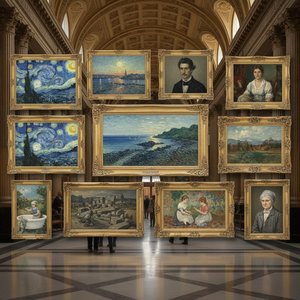
Топ-10 шедеврів XIX століття: мистецтво та історія для вашого дому
Пориньте у світ мистецтва XIX століття! Від Моне до Ван Гога – відкрийте 10 шедеврів імпресіонізму, реалізму та романтизму. Репродукції картин преміум-якості для вашого дому на OriginalUniqueArt.com. Дослідіть колекцію онлайн!
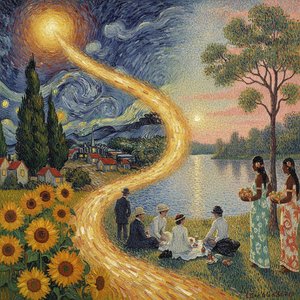
Capturing Light & Emotion: A Beginner's Guide to the Soul of Late Impressionism
Embark on a visual journey through Late Impressionism. Discover how masters like Monet and Van Gogh captured light and emotion, and learn expert tips for bringing these soulful, hand-painted aesthetics into your modern home decor with confidence.

25 шедеврів Поля Сезанна: подорож у світ імпресіонізму та натюрморту | OriginalUniqueArt
Відкрийте 25 найвідоміших картин Поля Сезанна! Дослідіть імпресіонізм, натюрморти та пейзажі художника. Купіть високоякісні репродукції та знайдіть ідеальний декор для вашого дому на OriginalUniqueArt.com.

Топ-10 шедеврів імпресіонізму: мистецтво миттєвості для вашого дому
Пориньте у світ імпресіонізму! Відкрийте 10 культових картин Моне, Ренуара та Дега. Історія мистецтва, кольори та техніка – все для натхнення вашого дому. Репродукції музейної якості на OriginalUniqueArt.com.