Symbolism
La peste (Арнольд Бёклін)
Арнольд Бёклін (1827–1901) створив La peste. Він належить до напряму Symbolism. Виконано в Oil On Canvas.
- Oil On Canvas

 Переглянути в інтер'єрі

 Картина олією ручної роботи
 Надіслати як листівку
 Поділитися
 Інформаційна картка


 Завантажити
 Схожі екземпляри
 Рентгенівське дослідження
 Слайд-шоу
 Питання та відповіді

 Статистика
La peste коротко
- Назва
- La peste
- Художник
- Арнольд Бёклін (1827–1901)
- Рік народження митця
- Базель, Швейцарія
- Матеріал
- Oil On Canvas
- Рух
- Symbolism
- Період
- 19th Century
- Сюжет
- monster, rider, buildings, dead bodies, sky, red cloth
Що зображено на La peste?
The Shadow of Mortality
In this unsettling scene, we find ourselves witnessing a moment of profound, inevitable decay. A monstrous, winged creature, reminiscent of a bat, moves through the narrow streets of a medieval European city. Atop this beast sits a skeletal figure, a personification of death that moves with a terrifying, silent purpose. The atmosphere is heavy, thick with a hazy, yellow-grey light that suggests a world choked by sickness. There is a sense of chaos here, yet it is a quiet, suffocating kind of chaos. The buildings, with their rigid, angular lines, seem to press in on the viewer, creating a claustrophobic environment where escape feels impossible.
The color palette is deliberately somber, leaning heavily into the earthy tones of ochre, brown, and grey. However, there is a specific, unsettling use of pale green—a hue often associated with the physical reality of decomposition—that permeates the work. This sickly tint contrasts sharply with the single, startling shock of red found in the foreground. A woman lies there, her clothing a vivid crimson against the muted, dying world around her, a stark reminder of the human cost of the plague passing through the streets.
Symbolic Elements and Composition
The composition is structured with a certain architectural precision that heightens the sense of dread. The rider and the beast form a central, pyramidal apex that draws the eye upward and then forces it back down toward the suffering below. The artist uses several layers of visual language to communicate the theme of pestilence:
- The winged creature, acting as a vessel for the plague, disrupts the orderly geometry of the urban landscape.
- The use of atmospheric perspective, where the background fades into a murky haze, suggests an endless, spreading contagion.
- The fallen figures in the foreground and middle ground represent the victims, their forms partially obscured by shadow and the weight of the scene.
- The contrast between organic, irregular shapes of the monster and the rigid, rectangular shapes of the architecture emphasizes the unnatural intrusion of death into civilization.
The technique involves a careful layering of oil paints, creating a texture that feels both rough and weathered. In certain areas, the impasto is visible, giving the creature a visceral, tactile presence. This physical depth mirrors the psychological depth of the subject matter, where the veil between the physical world and a nightmare state feels dangerously thin.
The Weight of the Unseen
There is a profound stillness in the way the figures are arranged, despite the violence of the subject. It is a stillness born of hopelessness. The lighting is diffused and uneven, casting deep shadows that hide as much as they reveal. This lack of a clear light source contributes to the sense of mystery and the feeling that the plague is an unstoppable, elemental force rather than a mere biological event. The work captures a specific tension between the tangible reality of a city and the intangible, spectral presence of death, leaving the viewer with a lingering sense of unease that remains long after the first glance.
Зображення високої роздільної здатності La peste
Суспільне надбання: художник помер у 1901 році.
Арнольд Бёклін, La peste. Суспільне надбання
Відповіді на запитання про La peste
Яка техніка виконання у «La peste» роботи Арнольд Бёклін?
Техніка виконання «La peste» роботи Арнольд Бёклін — Oil On Canvas. Репродукції мають на меті відтворити вигляд цієї техніки.
Що зображено на творі «La peste» роботи Арнольд Бёклін?
Сюжетами твору "La peste" є monster, rider, buildings, dead bodies, sky, red cloth, cityscape.
Чи є «La peste» роботи Арнольд Бёклін суспільним надбанням?
Щодо авторського права, «La peste» є є суспільним надбанням — термін дії авторського права закінчився.
Хто є автором "La peste"?
«La peste» приписують Арнольд Бёклін.
До якого стилю належить "La peste"?
Мистецький напрям, до якого належить «La peste» роботи Арнольд Бёклін, — це Symbolism. Така класифікація дозволяє розмістити цей твір у контексті суміжних митців та творів мистецтва.
До якого періоду творчості Арнольд Бёклін належить твір "La peste"?
У межах творчого шляху Арнольд Бёклін твір "La peste" належить до періоду Late Period. Ця фаза дозволяє порівняти його з іншими роботами митця.
Чи є твір «La peste» авторства Арнольд Бёклін суспільним надбанням, і чому?
«La peste» роботи Арнольд Бёклін перебуває у є суспільним надбанням — термін дії авторського права закінчився. Термін дії авторського права розраховується від року смерті митця, яка відбулася у 1901.
Як «La peste» вписується в тематику та стиль Арнольд Бёклін?
«La peste» належить до Symbolism творчості Арнольд Бёклін, чиї характерні теми включають symbolist movement, mythology and mortality, themes of death, war and pestilence, exploration of the subconscious.
Як сюжет твору "La peste" перегукується із звичними темами Арнольд Бёклін?
Повторювані теми Арнольд Бёклін включають symbolist movement, mythology and mortality, themes of death, war and pestilence, exploration of the subconscious; «La peste» зосереджується на monster, rider, buildings, dead bodies, sky, red cloth, cityscape.
Про художника Арнольд Бёклін
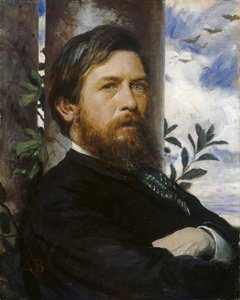
1827–1901, Швейцарія
Арнольд Бёклін
Тінь острова Базель, Швейцарія, стає відправною точкою для життя, визначеного напругою між матеріальним і примарним. Народившись 16 жовтня 1827 року в родині Крістіана Фредеріка Бёкліна та Урсули Ліппе, цей юнак згодом вийде за межі торгової справи свого батька, присвятивши себе суворим залам Дюссельдорфської академії. Під керівництвом Шірмера він почав вбирати мову пейзажу — навичку, яка згодом допоможе йому картографувати географію людської душі. Він не просто малював краєвиди; він створював світи, де стикаються класика та макабризм.
Також за участю Арнольд Бёклін
 Острів мертвих (Перша версія)1880
 Автопортрет зі смертю, що грає на скрипці
 Війна1896
 The Isle of the Dead (Version 2)1880
Есе до твору La peste
 Beyond Reality: Unveiling the Enigmatic Depths of Metaphysical Art and its Philosophical EchoesExplore the profound mystery of Metaphysical Art. Delve into the philosophical depths of Giorgio de Chirico’s dreamscapes and discover how …
 25 Essential Works by Arnold Böcklin: A Journey Through Myth and SymbolismExplore 25 iconic Arnold Böcklin paintings and Symbolist works. Discover the full collection online at OriginalUniqueArt.com.
 Swiss artworks of the 1890sSwiss Symbolism in the 1890s features the iconic works of Félix Vallotton and Arnold Hodler. View the full collection online at OriginalUni…