Gerçek Boyutta Önizle
 Paylaş
 Paylaş
 Detayları Gör
 Rehber

 İndir
İndir
 Benzer ürünler
 X-Işını
 Slayt Gösterisi
 Soru & Cevap
 İstatistikler
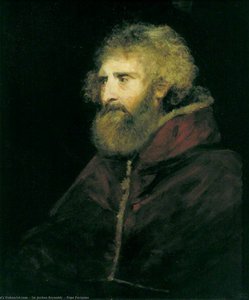
Self Portrait

- 76.0 x 64.0 cm


 Tümünü Gör
Giclée / Sanat Baskısı
Hızlı üretim ve esnek bitiş seçenekleriyle müze kalitesinde giclée veya kanvas baskı. ( El Yapımı Tablo Satın Al Dijital Görsele Geç)




P118B ₺10

P118H ₺10

P118W ₺10

P438Z ₺10

P508JH ₺12

P508YH ₺12

P805H ₺10

P805Z ₺10

P919BZ ₺10

P919G ₺10

P919XJ ₺10

P959ZH ₺10

P968JZ ₺12

W106C ₺8

W218G ₺10

W218JH ₺8

W218Y ₺10

W307PJ ₺10

W316G ₺10

W316PJ ₺8

W316Y ₺10

W398PJ ₺8

W4111J ₺10

W500HY ₺15

W500JH ₺15

W692G ₺12

W849H ₺8

W940BG ₺15

W953PJ ₺8




Eserin orijinal oranlarıyla uyumlu, önceden belirlenmiş boyutlarımız arasından seçim yapın.

Çerçevenize veya duvarınıza uygun olması için ihtiyacınız olan genişlik ve yüksekliği yazın. Bir baskı yalnızca kesilebilir, görselden daha büyük hale getirilemez; bu nedenle farklı bir formdaki boyut seçimi, görselin bir kısmının kaybına neden olur. Herhangi bir baskı yapmadan önce onaylamanız için size bir dijital taslak gönderiyoruz. Bu sayfada gösterilen resim gerçek kesimi göstermez — bunu yalnızca taslak gösterir.
Dünya Çapında Teslimat (); standart 4/5 hafta yerine 2 haftada. (9 Kasım)

Dünya Çapında Ücretsiz Ekspres Kargo

Yüksek Kaliteli Keten Kanvas

Tam Nakliye Sigortası

Gümrük Vergisi İadesi Garantisi

Gerçek Renk Uyumu Garantisi

100 Günlük İade Politikası (Sadece Kusurlu Ürünler İçin)

%100 Para İade Garantisi

Toplu Alım İndirimi
 Cam seçeneği yalnızca 110 cm altındaki boyutlar için mevcuttur.

Self Portrait
Giclée / Sanat Baskısı
Reproduksiyon Boyutu
-


Toplam Tutar
₺ 3996
A Masterpiece of Neoclassical Restraint and Psychological Insight
Sir Joshua Reynolds' “Self Portrait,” completed around 1788, stands as a cornerstone of British portraiture during the High Georgian era—a period defined by intellectual fervor and aristocratic patronage. More than just a likeness, it’s an exquisitely crafted meditation on identity, ambition, and the artist’s own perception of his place within society.
- Subject Matter: Reynolds meticulously rendered himself in a pose embodying classical ideals—a deliberate choice reflecting the burgeoning influence of Greek sculpture and Roman portraiture on artistic sensibilities. The figure is positioned centrally, commanding attention with an unwavering gaze that speaks to both confidence and introspection.
- Style & Technique: Executed in oil paint on canvas using meticulous brushstrokes and shading techniques, Reynolds’ approach exemplifies Neoclassicism's commitment to realism combined with idealized form. He skillfully employs chiaroscuro—the dramatic interplay of light and shadow—to sculpt the contours of his face and drapery, creating a palpable sense of depth and volume.
Historical Context: The Enlightenment’s Embrace of Form and Reflection
Reynolds' oeuvre was deeply rooted in the intellectual currents of the Enlightenment. This era championed reason, observation, and an appreciation for classical antiquity as models for moral conduct and artistic excellence. “Self Portrait” embodies these values—a testament to Reynolds’ belief that art could elevate the human spirit and capture the essence of individual character.
- Social Significance: Portraits like this served not merely as visual records but also as statements of social status and ambition. Reynolds' self-portrait was commissioned by wealthy patrons eager to secure their legacy through artistic representation—a practice that underscored the importance of appearance and reputation within Georgian society.
- Reynolds’ Artistic Philosophy: Reynolds famously argued that an artist should strive to depict “the soul” rather than simply capturing a superficial likeness. This conviction is powerfully conveyed in “Self Portrait,” where Reynolds' gaze conveys both dignity and vulnerability—a subtle acknowledgment of the complexities inherent in human experience.
Decoding Symbolism: Light, Shadow, and Artistic Identity
The masterful use of light and shadow contributes significantly to the artwork’s symbolic resonance. The stark contrast between illuminated areas and darkened recesses emphasizes Reynolds' facial features—drawing attention to his eyes, which appear to hold a profound awareness. Furthermore, the dark background serves as a foil to the figure’s luminosity, reinforcing the idea that inner beauty transcends outward appearances.
- Classical Influence: Reynolds’ compositional choices align with established conventions of Neoclassical portraiture—drawing inspiration from sculptures by artists like Michelangelo and Bernini. These figures conveyed similar notions of idealized form and psychological depth.
- Artist's Self-Representation: Ultimately, “Self Portrait” is a profound exploration of artistic identity—a declaration that Reynolds recognized himself as both an individual and a conduit for conveying universal human truths. It remains a compelling reminder of the power of art to illuminate the complexities of the human condition.
A Legacy Enduring Through Reproduction
Today, high-quality reproductions of Sir Joshua Reynolds’ “Self Portrait” allow admirers worldwide to experience the artistry and intellectual spirit of this pivotal moment in British art history. OriginalUniqueArt offers exceptional prints that faithfully capture the nuances of Reynolds' technique and evoke the same sense of dignified contemplation.
Soru ve Cevaplar
Sir Joshua Reynöz imzalı "Self Portrait" hangi tarihte yapılmıştır?
Sir Joshua Reynöz imzalı "Self Portrait", 1788 yılında yaratılmıştır.
"Self Portrait" adlı eserin orijinali hangi müzede bulunuyor?
Orijinal Sir Joshua Reynöz imzalı "Self Portrait", İngiliz Mirası, Londra, United Kingdom bünyesinde bulunmaktadır. Bir reprodüksiyon, eserin evde sergilenmesine olanak tanır.
Sir Joshua Reynöz imzalı "Self Portrait" eserinin renkleri ne kadar uyumlu?
Sir Joshua Reynöz imzalı "Self Portrait" eserinin renkleri Strong Color Unity bir uyum sergiliyor. Uyum, renklerin birbirleriyle olan ilişkisini tanımlar.
Sanatçı Özgeçmişi
A Luminary of the Enlightenment: The Life and Art of Sir Joshua Reynolds
Sir Joshua Reynolds (16 July 1723 – 23 February 1792) was an English painter who specialised in portraits. The art critic John Russell called him one of the most distinguished painters of his time, praising his mastery of technique and his ability to convey psychological insight. Reynolds’s legacy extends far beyond his own artistic output; he fundamentally reshaped British art and established the Royal Academy as a cornerstone of national cultural identity. Born in Plymouth, Devonshire, Reynolds descended from a family steeped in intellectual tradition. His father, Reverend Samuel Reynolds, instilled in him a profound appreciation for learning and scholarly pursuits—a conviction that would permeate his entire life’s work. Despite initial inclinations toward academic study, Reynolds possessed an irrepressible passion for art, which swiftly propelled him towards an apprenticeship with Thomas Hudson in London at the age of seventeen. This formative experience provided him with invaluable practical training in portraiture—a genre he would dedicate himself to perfecting throughout his illustrious career. Hudson’s studio was a vibrant epicenter of aristocratic society, exposing Reynolds to the pressures and expectations of influential patrons—influences that profoundly shaped both his artistic style and his understanding of the social milieu he sought to portray. It wasn't merely about replicating likeness; it was about crafting an image imbued with dignity, intellect, and aspiration.The Pursuit of Classical Ideals: Early Influences and Artistic Development
Reynolds’s artistic sensibilities were profoundly shaped by encounters with the monumental achievements of the Old Masters—particularly Raphael, Michelangelo, and Titian. These artists served as beacons of inspiration, guiding Reynolds toward a vision of beauty rooted in idealized form and imbued with moral significance. Recognizing the transformative power of Roman art and architecture, Reynolds embarked on a momentous journey to Rome in 1750—a pilgrimage that cemented his commitment to the ‘Grand Style’—an approach championed by luminaries like Nicolas Cochin and Antoine Watteau. This stylistic paradigm prioritized harmonious composition, balanced proportions, and subtle shading—techniques designed to elevate subjects beyond mere physical representation and convey their inner character. Reynolds meticulously studied classical sculptures and frescoes, absorbing the principles of anatomical accuracy and expressive gesture that underpinned these masterpieces. He sought to emulate the grandeur and serenity of Roman temples and palaces, striving to infuse his own paintings with a sense of timeless elegance.Rome and the Birth of the Grand Style: Artistic Breakthroughs
Reynolds’s return from Rome marked a pivotal juncture in his artistic trajectory—a moment of decisive innovation that propelled him toward the forefront of British portraiture. He immediately began experimenting with new techniques and compositional strategies, rejecting the prevailing conventions of his time and forging ahead with unwavering conviction. Reynolds's ambition was to transcend mere imitation; he aimed to elevate British art beyond superficial ornamentation and imbue it with intellectual depth—a goal that demanded a radical reimagining of artistic practice. Influenced by the humanist ideals of Erasmus and Pico della Mirandola, Reynolds championed the importance of cultivating reason and moral virtue alongside technical skill—beliefs that underpinned his pedagogical endeavors and informed his artistic vision. He tirelessly advocated for the establishment of academies dedicated to fostering artistic talent and promoting national identity—a conviction that resonated deeply with his contemporaries and solidified his position as a champion of Enlightenment values.A Patron of Genius: Leadership at the Royal Academy
Reynolds’s influence extended far beyond his own canvas; he served as a founding member of the Royal Academy of Arts in 1768—a role he held until his death in 1792—transforming the institution into a bastion of artistic excellence and shaping its trajectory for decades to come. Recognizing the necessity of safeguarding artistic heritage and nurturing emerging talent, Reynolds championed the creation of a national museum—a visionary undertaking that anticipated the rise of modern cultural institutions. He tirelessly defended the rights of artists as professionals deserving of respect and patronage—beliefs that challenged prevailing social prejudices and galvanized support for his cause. Reynolds’s annual Discourses—lectures delivered to Academy students—became seminal texts on artistic theory and practice, articulating his conviction that art should serve as a conduit for moral enlightenment—a perspective that profoundly influenced subsequent generations of artists. His unwavering dedication to fostering intellectual curiosity and cultivating imaginative vision cemented his legacy as a transformative figure in British cultural history. Reynolds’s oeuvre encompasses portraits of an astonishing array of figures—members of the aristocracy, literary titans, military heroes, and scientific innovators—each rendered with meticulous detail and imbued with psychological nuance. Notable works include Peter Darnell Muilman, Charles Crokatt and William Keable in a Landscape (1768), which exemplifies his masterful integration of figure and landscape—a technique that captures the grandeur and serenity of the natural world while simultaneously conveying the sitter’s social standing and intellectual pursuits. Similarly, Mr and Mrs William Lindow (1769) showcases Reynolds's ability to portray intimate familial relationships with sensitivity and compassion—capturing subtle expressions of emotion and conveying the complexities of human experience. His portraits of statesmen like Lord Chesterfield and Earl Cornwallis exemplify his skill in capturing authority and dignity—presenting subjects as embodiments of virtue and intellect. Beyond individual portraits, Reynolds excelled at group compositions—creating dynamic narratives that illuminate social interactions and convey broader themes of power, ambition, and morality. His paintings continue to inspire admiration for their elegance, psychological depth, and historical significance—a testament to the enduring brilliance of his artistic vision and legacy.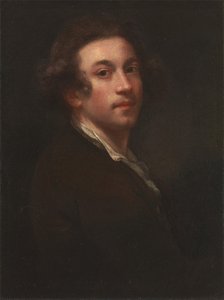
Sir Joshua Reynöz
1723 - 1792 , İngiltere
Kısa Bilgiler
- Artistic Movement Or Style: Grand Style
- Artists Or Movements Influenced By This Artist: ['Thomas Gainsborough']
- Artists Who Influenced This Artist: ['Thomas Hudson']
- Date Of Birth: 17 Temmuz 1723
- Date Of Death: 23 Şubat 1792
- Full Name: Sir Joshua Reynolds
- Nationality: İngiliz
- Notable Artworks:
- Peter Darnell Muilman...
- Mr and Mrs William Lindow
- Portrait of John Hayes...
- Place Of Birth: Plymouth, İngiltere
Benzer Yazılar
Mastering the Light: An Art Historian's Guide to the Grand Style of Sir Joshua Reynolds
Explore the luminous legacy of Sir Joshua Reynolds. Discover how the master of the 'Grand Style' used dramatic light and classical elegance to define 18th-century British portraiture in this expert art history guide for collectors and enthusiasts.
Sir Joshua Reynolds: Shaping British Art Through Grand Style & Societal Portraiture
Explore the life & work of Sir Joshua Reynolds, a master of British portraiture and founder of the Royal Academy. Discover his 'Grand Style,' techniques, and lasting influence on art history. Learn more at OriginalUniqueArt.

Mastering the Grand Style: The 25 Best Artworks by Sir Joshua Reynolds
Explore 25 iconic Sir Joshua Reynolds masterpieces of the Grand Style. Discover museum-quality art on OriginalUniqueArt.com.
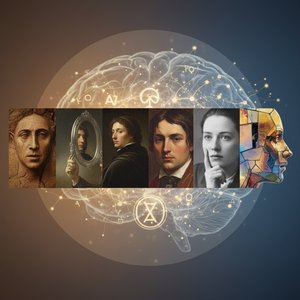
Reflecting the Self: A History of Portraiture & Psychological Insight
Explore the fascinating history of self-portraiture from Renaissance masters like Dürer & Rembrandt to modern interpretations. Discover the psychological insights and artistic techniques behind these iconic works. Expert analysis for art enthusiasts.

Reflecting Nobility & Nuance: 18th-Century Portraiture as a Window into Societal Values
Explore the world of 18th-century portraiture with OriginalUniqueArt. Discover symbolism, artistic innovation & societal values reflected in masterpieces by Reynolds, Hogarth & more. Expert insights for collectors.