Önizle
 Gönder
 Paylaş
 Detaylar
 Rehber

 Dosyayı İndir
 Benzerleri
 X-Işını
 Slayt Gösterisi
 İstatistikler
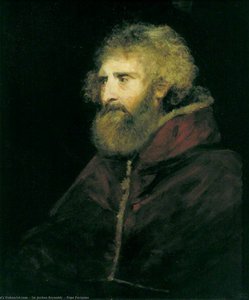
Bir Bilge Kadın

 Devamını Oku
El Yapımı Yağlı Boya Reproduksiyon
Sanatçılarımız tarafından sipariş üzerine hazırlanan; istediğiniz boyut ve çerçevede, tuval üzerine el boyaması yağlı boya. ( Baskı Satışına Geç Dijital Görsel Satışına Geç)




































Eserin orijinal oranlarıyla uyumlu, önceden belirlenmiş boyutlarımız arasından seçim yapın.

Belirli bir çerçeveye veya alana uyması için kendi boyutlarınızı girebilirsiniz. Seçtiğiniz boyut orijinal görüntünün oranlarıyla eşleşmiyorsa, sanat eserini kırparak veya ek el boyaması öğelerle resmi uzatarak ayarlayacağız. Üretim başlamadan önce onayınız için dijital bir taslak gönderilecektir.
Lütfen ekrandaki önizlemenin gerçek kırpmayı veya uzatmayı yansıtmadığını unutmayın. Nihai kompozisyonu yalnızca hazırlanan taslak doğru şekilde gösterecektir.
Özel boyutlar mevcut olsa da, orijinal oranları korumak adına önceden tanımlanmış listeden bir boyut seçmenizi öneririz.
Siparişten sonra, OriginalUniqueArt.com ekibi talimatlar için müşteriye e-posta gönderecek ve bir taslak önizleme sunacaktır
Dünya Çapında Teslimat (); standart 5 hafta yerine 3/4 haftada. (25 Eylül). Kaliteden ödün verilmez.

Dünya Çapında Ücretsiz Ekspres Kargo

Yüksek Kaliteli Keten Tuval

Tam Nakliye Sigortası

Gümrük Vergisi İadesi Garantisi

Gerçek Renk Uyumu Garantisi

100 Günlük İade Koşulları (Sadece Üretim Hatalı Ürünler İçin)

%100 Para İade Garantisi

Toplu Alım Avantajı
 Cam seçeneği yalnızca 110 cm altındaki boyutlar için mevcuttur.

Bir Bilge Kadın
Baskı Tekniği
Baskı Boyutu
-


Toplam Fiyat
$ 350
Sir Joshua Reynolds’ın ‘Şans Getiricisi’ni Keşfedin: Bir Dönemin İnceliği ve Gizemleri
Sir Joshua Reynolds’ın 1777 yapımı ‘Şans Getiricisi’, sadece bir portre resmi değil, aynı zamanda dönemin ruhunu yansıtan, büyüleyici bir sahnedir. Bu eser, kaderin, merakın ve bilinmeyenin gizemli dünyasına dalmak isteyenler için eşsiz bir deneyim sunar. Reynolds’ın ustalıkla işlenmiş tekniği ve derin anlamları barındıran bu yapıt, sanat tarihinin en önemli eserlerinden biri olarak kabul edilir.
Eserin merkezinde, kaderi okuyan bir kadın figürü yer alır. Bu kadın, iki genç kızla etkileşim halinde olup, onların meraklı bakışlarıyla birlikte sahneye canlılık ve gizem katar. Reynolds, bu üç karakter arasındaki karmaşık ilişkiyi ustalıkla yakalar; bir yandan kadının otoritesini, diğer yandan genç kızların hayranlığını ve merakını yansıtır.
Reynolds’ın ‘Grand Style’i: Klasik İnisiyatifin Yükselişi
‘Şans Getiricisi’, Sir Joshua Reynolds’ın ‘Grand Style’ olarak adlandırdığı, dönemin en önemli sanat akımlarından birini temsil eder. Bu stil, portre resimlerini sadece bireyin tasvirinden öteye taşıyarak, tarihsel anlatıları ve idealize edilmiş formları içerir. Reynolds, bu yaklaşım sayesinde, eserine derinlik ve anlam katarak onu sadece bir portre değil, aynı zamanda bir sanat eseri haline getirir.
Eserin yapısı, loş ışıklandırması ve akıcı fırça darbeleriyle dikkat çeker. Reynolds’ın tekniği, hareket ve canlılık hissi yaratırken, aynı zamanda figürlerin duygusal durumlarını da yansıtır. Eserde, İtalyan Rönesans ustalarından Caravaggio’nun etkisi açıkça görülebilir; özellikle dramatik ışıklandırma ve kompozisyon, ‘Şans Getiricisi’ (c. 1595-8) eserine benzerlik gösterir.
Tarihi Bağlam ve Sembolizm: Dönemin Yansıması
‘Şans Getiricisi’, 1777 yılında yaratılmış olup, dönemin sanat anlayışında popüler olan egzotik konulara ve tiyatro temalarına bir göndermedir. Kaderin okuyucusu figürü, o dönemde merak uyandıran ve gizemli konuları temsil eder. Eserdeki etkileşimler, masumiyet, merak ve geleceğe dair beklentiler gibi temaları yansıtır.
Reynolds’ın bu eseri, sadece bir portre değil, aynı zamanda dönemin sosyal ve kültürel değerlerini de yansıtan bir aynadır. Eserin büyük formatı, o dönemde portre resimlerinde alışılmadık bir yaklaşımdır; bu durum, esere daha da fazla önem ve anlam katmaktadır.
Duygusal Etki ve Miras: Sanatın Kalbinde Bir Anıt
'Şans Getiricisi', izleyiciyi sessiz bir dramın ve ince bir gerilimin içine çeker. Figürlerin iç dünyalarına dalmak, kaderin ne anlama geldiğini düşünmeye sevk eder. Reynolds’ın karakterleri ve atmosferi yakalama becerisi, figürlerin ifadelerinde açıkça görülür; onların duyguları, nüanslı jestler ve bakışlarla yansıtılır.
Eserin kalıcı başarısı, anlatı merakı, sanatsal ustalık ve psikolojik derinliğin birleşimidir. ‘Şans Getiricisi’, Reynolds’ın eserleri arasında önemli bir yere sahiptir ve sanat tarihine olan katkısını kanıtlar. Bu eser, sanatseverlerin ve koleksiyonerlerin ilgisini çeken, benzersiz bir yapıt olarak öne çıkar.
Sanatçı Biyografisi
A Luminary of the Enlightenment: The Life and Art of Sir Joshua Reynolds
Sir Joshua Reynolds (16 July 1723 – 23 February 1792) was an English painter who specialised in portraits. The art critic John Russell called him one of the most distinguished painters of his time, praising his mastery of technique and his ability to convey psychological insight. Reynolds’s legacy extends far beyond his own artistic output; he fundamentally reshaped British art and established the Royal Academy as a cornerstone of national cultural identity. Born in Plymouth, Devonshire, Reynolds descended from a family steeped in intellectual tradition. His father, Reverend Samuel Reynolds, instilled in him a profound appreciation for learning and scholarly pursuits—a conviction that would permeate his entire life’s work. Despite initial inclinations toward academic study, Reynolds possessed an irrepressible passion for art, which swiftly propelled him towards an apprenticeship with Thomas Hudson in London at the age of seventeen. This formative experience provided him with invaluable practical training in portraiture—a genre he would dedicate himself to perfecting throughout his illustrious career. Hudson’s studio was a vibrant epicenter of aristocratic society, exposing Reynolds to the pressures and expectations of influential patrons—influences that profoundly shaped both his artistic style and his understanding of the social milieu he sought to portray. It wasn't merely about replicating likeness; it was about crafting an image imbued with dignity, intellect, and aspiration.The Pursuit of Classical Ideals: Early Influences and Artistic Development
Reynolds’s artistic sensibilities were profoundly shaped by encounters with the monumental achievements of the Old Masters—particularly Raphael, Michelangelo, and Titian. These artists served as beacons of inspiration, guiding Reynolds toward a vision of beauty rooted in idealized form and imbued with moral significance. Recognizing the transformative power of Roman art and architecture, Reynolds embarked on a momentous journey to Rome in 1750—a pilgrimage that cemented his commitment to the ‘Grand Style’—an approach championed by luminaries like Nicolas Cochin and Antoine Watteau. This stylistic paradigm prioritized harmonious composition, balanced proportions, and subtle shading—techniques designed to elevate subjects beyond mere physical representation and convey their inner character. Reynolds meticulously studied classical sculptures and frescoes, absorbing the principles of anatomical accuracy and expressive gesture that underpinned these masterpieces. He sought to emulate the grandeur and serenity of Roman temples and palaces, striving to infuse his own paintings with a sense of timeless elegance.Rome and the Birth of the Grand Style: Artistic Breakthroughs
Reynolds’s return from Rome marked a pivotal juncture in his artistic trajectory—a moment of decisive innovation that propelled him toward the forefront of British portraiture. He immediately began experimenting with new techniques and compositional strategies, rejecting the prevailing conventions of his time and forging ahead with unwavering conviction. Reynolds's ambition was to transcend mere imitation; he aimed to elevate British art beyond superficial ornamentation and imbue it with intellectual depth—a goal that demanded a radical reimagining of artistic practice. Influenced by the humanist ideals of Erasmus and Pico della Mirandola, Reynolds championed the importance of cultivating reason and moral virtue alongside technical skill—beliefs that underpinned his pedagogical endeavors and informed his artistic vision. He tirelessly advocated for the establishment of academies dedicated to fostering artistic talent and promoting national identity—a conviction that resonated deeply with his contemporaries and solidified his position as a champion of Enlightenment values.A Patron of Genius: Leadership at the Royal Academy
Reynolds’s influence extended far beyond his own canvas; he served as a founding member of the Royal Academy of Arts in 1768—a role he held until his death in 1792—transforming the institution into a bastion of artistic excellence and shaping its trajectory for decades to come. Recognizing the necessity of safeguarding artistic heritage and nurturing emerging talent, Reynolds championed the creation of a national museum—a visionary undertaking that anticipated the rise of modern cultural institutions. He tirelessly defended the rights of artists as professionals deserving of respect and patronage—beliefs that challenged prevailing social prejudices and galvanized support for his cause. Reynolds’s annual Discourses—lectures delivered to Academy students—became seminal texts on artistic theory and practice, articulating his conviction that art should serve as a conduit for moral enlightenment—a perspective that profoundly influenced subsequent generations of artists. His unwavering dedication to fostering intellectual curiosity and cultivating imaginative vision cemented his legacy as a transformative figure in British cultural history. Reynolds’s oeuvre encompasses portraits of an astonishing array of figures—members of the aristocracy, literary titans, military heroes, and scientific innovators—each rendered with meticulous detail and imbued with psychological nuance. Notable works include Peter Darnell Muilman, Charles Crokatt and William Keable in a Landscape (1768), which exemplifies his masterful integration of figure and landscape—a technique that captures the grandeur and serenity of the natural world while simultaneously conveying the sitter’s social standing and intellectual pursuits. Similarly, Mr and Mrs William Lindow (1769) showcases Reynolds's ability to portray intimate familial relationships with sensitivity and compassion—capturing subtle expressions of emotion and conveying the complexities of human experience. His portraits of statesmen like Lord Chesterfield and Earl Cornwallis exemplify his skill in capturing authority and dignity—presenting subjects as embodiments of virtue and intellect. Beyond individual portraits, Reynolds excelled at group compositions—creating dynamic narratives that illuminate social interactions and convey broader themes of power, ambition, and morality. His paintings continue to inspire admiration for their elegance, psychological depth, and historical significance—a testament to the enduring brilliance of his artistic vision and legacy.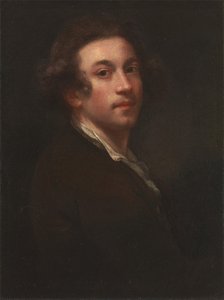
Sir Joshua Reynöz
1723 - 1792 , İngiltere
Kısa Bilgiler
- Artistic Movement Or Style: Grand Style
- Artists Or Movements Influenced By This Artist: ['Thomas Gainsborough']
- Artists Who Influenced This Artist: ['Thomas Hudson']
- Date Of Birth: 17 Temmuz 1723
- Date Of Death: 23 Şubat 1792
- Full Name: Sir Joshua Reynolds
- Nationality: İngiliz
- Notable Artworks:
- Peter Darnell Muilman...
- Mr and Mrs William Lindow
- Portrait of John Hayes...
- Place Of Birth: Plymouth, İngiltere
İlgili Yazılar
Mastering the Light: An Art Historian's Guide to the Grand Style of Sir Joshua Reynolds
Explore the luminous legacy of Sir Joshua Reynolds. Discover how the master of the 'Grand Style' used dramatic light and classical elegance to define 18th-century British portraiture in this expert art history guide for collectors and enthusiasts.

Reflecting Nobility & Nuance: 18th-Century Portraiture as a Window into Societal Values
Explore the world of 18th-century portraiture with OriginalUniqueArt. Discover symbolism, artistic innovation & societal values reflected in masterpieces by Reynolds, Hogarth & more. Expert insights for collectors.
Sir Joshua Reynolds: Shaping British Art Through Grand Style & Societal Portraiture
Explore the life & work of Sir Joshua Reynolds, a master of British portraiture and founder of the Royal Academy. Discover his 'Grand Style,' techniques, and lasting influence on art history. Learn more at OriginalUniqueArt.

Sir Alfred Munnings' Masterpieces: 25 Paintings That Define Equine Art | OriginalUniqueArt
Explore 25 iconic Sir Alfred Munnings paintings! Discover the beauty of British Impressionism, equine art & rural England. Find museum-quality reproductions and elevate your home decor with OriginalUniqueArt. Explore the full collection online.
Sir Joshua Reynolds' Masterpieces: 25 Portraits of Power & Refinement | OriginalUniqueArt
Explore 25 captivating portraits by Sir Joshua Reynolds, a master of British art. Discover stories behind his iconic paintings, elegant style & historical influence. Find museum-quality reproductions and elevate your home decor on OriginalUniqueArt.com.