Renaissance
St. Jerome (Sandro Botticelli)
St. Jerome, Sandro Botticelli (1445–1510) tarafından yapıldı. Renaissance akımına aittir. Oil On Panel ile yapılmıştır. Saint Petersburg, Rusyadaki Hermitaj Müzesi bünyesinde korunmaktadır.
- Oil On Panel
- Hermitaj Müzesi, Saint Petersburg

 Gerçek Boyutta Önizle

 El Yapımı Yağlı Boya Tablo
 Paylaş
 Paylaş
 Bilgi formu


 İndir
 Benzer ürünler
 X-Işını
 Slayt Gösterisi
 Soru & Cevap

 İstatistikler
St. Jerome hakkında kısa bilgi
- Başlık
- St. Jerome
- Sanatçı
- Sandro Botticelli (1445–1510)
- Sanatçının doğum yeri
- Firenze, İtalya
- Teknik
- Oil On Panel
- Nerede görülebilir
- Hermitaj Müzesi, Saint Petersburg, Rusya
- Akım
- Renaissance
- Dönem
- Renaissance
- Konu
- religious lamentation, medieval grief scene, renaissance figures, classical composition, memento mori theme, oil painting technique
St. Jerome neyi betimliyor?
A Moment of Profound Grief: Exploring Botticelli’s *St. Jerome*
Sandro Botticelli's *St. Jerome*, a poignant depiction of sorrow and contemplation, offers a captivating glimpse into the artistic sensibilities of the Early Renaissance. While often overshadowed by his more celebrated mythological works like *The Birth of Venus*, this painting reveals Botticelli’s mastery of religious iconography and emotional depth.
Subject & Narrative
- A Scene of Lamentation: Though initially identified as the Lamentation, recent scholarship suggests this work depicts St. Jerome in his final moments, receiving communion before death. The central figure, surrounded by mourners, is likely not Joseph of Arimathea but figures expressing grief over the saint’s impending passing.
- St. Jerome – A Scholar and Ascetic: Saint Jerome (c. 347–420 AD) was a prominent theologian and translator of the Bible into Latin (the Vulgate). His life, marked by both scholarly pursuits and periods of intense asceticism, makes him a compelling subject for artistic representation.
- Setting the Stage: The rocky, cave-like setting evokes a sense of seclusion and spiritual retreat. This isolated location emphasizes the solemnity of the occasion and invites contemplation on mortality.
Artistic Style & Technique
- Renaissance Linearity: Botticelli’s style is characterized by elegant, flowing lines that define forms with precision. This linearity bridges the gap between the late Gothic and Early Renaissance aesthetics.
- Oil on Panel – A Flourishing Medium: Executed in oil on panel, the technique allows for subtle gradations of color and a smooth application of paint, enhancing the realism of the figures and drapery.
- Subdued Palette & Dramatic Lighting: The painting employs a subdued color palette, dominated by earth tones and muted hues. This is contrasted with dramatic lighting that highlights the central figure and casts shadows, intensifying the emotional impact.
- Perspective & Composition: While perspective isn’t fully developed as in later Renaissance works, Botticelli utilizes layering and overlapping forms to create a sense of depth within the confined space. The composition draws the viewer's eye towards St. Jerome through strategic arrangement and contrast.
Symbolism & Iconography
- Mortality & Remembrance: Symbolic elements, such as a skull (a *memento mori*), serve as reminders of human mortality and the transient nature of life.
- Religious Devotion: The act of receiving communion underscores St. Jerome’s unwavering faith and devotion to God in his final moments.
- The Mourners: The surrounding figures represent the grief and sorrow felt by those witnessing the saint's passing, emphasizing the human cost of spiritual dedication.
Historical Context & Legacy
- Florentine Renaissance: Created during the vibrant artistic climate of Florence in the late 15th century, *St. Jerome* reflects the humanist ideals and religious fervor of the period.
- Botticelli’s Diverse Oeuvre: While renowned for his mythological paintings, Botticelli also produced numerous religious works, demonstrating his versatility as an artist.
- Rediscovery & Appreciation: Like many Renaissance masters, Botticelli's work experienced a period of relative obscurity before being rediscovered and celebrated by the Pre-Raphaelites in the 19th century.
Emotional Impact & Interpretation
St. Jerome* evokes feelings of profound sadness, reverence, and contemplation. The painting invites viewers to reflect on themes of mortality, faith, and the human condition. Its quiet intensity and masterful execution make it a compelling work of art that continues to resonate with audiences today.
St. Jerome adlı eseri hangi müze bünyesinde barındırmaktadır?
Hermitaj Müzesi
Saint Petersburg, Rusya
Hermitaj Müzesi'nin Kökenleri ve Tarihçesi Hermitaj Müzesi'nin hikayesi 1764 yılında filizlenmeye başladı. Müzenin temelleri, Berlinli tüccar Johann Ernst Gotzkowsky'den satın alınan 225 tablodan oluşan özel bir koleksiyona dayanmaktadır. Büyük Katerina tarafından başlatılan bu koleksiyon, Rusya'nın Saint Petersburg şehrinde müzenin varlığını köklü bir şekilde tesis etti.


St. Jerome için yüksek çözünürlüklü görseller
Kamu malı: sanatçı 1510 yılında vefat etmiştir.
Sandro Botticelli, St. Jerome, Hermitaj Müzesi. Kamu malı.
St. Jerome hakkında sorular ve cevaplar
Sandro Botticelli imzalı "St. Jerome" eseri bugün nerede sergileniyor?
Orijinal Sandro Botticelli imzalı "St. Jerome", Hermitaj Müzesi, Saint Petersburg, Rusya bünyesinde bulunmaktadır. Bir reprodüksiyon, eserin evde sergilenmesine olanak tanır.
Sandro Botticelli imzalı "St. Jerome" eserinde hangi teknik kullanıldı?
Sandro Botticelli, "St. Jerome" adlı eserinde Oil On Panel tekniğini kullanmıştır. Bu teknik, orijinal eserin maddi doğasını tanımlar.
Sandro Botticelli imzalı "St. Jerome" eserinde hangi konular işleniyor?
Sandro Botticelli imzalı "St. Jerome" eserinde yer alan temalar religious lamentation, medieval grief scene, renaissance figures, classical composition, memento mori theme, oil painting technique, symbolic imagery unsurlarını içermektedir. Bunlar birlikte, eserin konu içeriğini özetlemektedir.
"St. Jerome" eseri kamu malı mı?
Telif hakkı açısından, "St. Jerome" eseri kamu malıdır - telif hakkı süresi dolmuştur statüsündedir.
"St. Jerome" adlı eser hangi sanatçıya atfediliyor?
"St. Jerome" eserinin sanatçısı Sandro Botticelli'tir. Eser, Sandro Botticelli adına kataloglanmıştır.
Sandro Botticelli imzalı "St. Jerome" hangi sanat akımına dahil?
Sandro Botticelli imzalı "St. Jerome", Renaissance akımına aittir. Bu akım, eserin üslup bağlamını sunmaktadır.
"St. Jerome" adlı eser, Sandro Botticelli'in sanat kariyerinin hangi dönemini temsil ediyor?
Sandro Botticelli'in kariyerinde "St. Jerome", Mature Renaissance dönemine denk gelmektedir. Bu evre, eserin sanatçının diğer çalışmalarıyla kıyaslanmasına olanak tanır.
"St. Jerome" eserinin telif hakkı durumu neden bu şekildedir?
Sandro Botticelli imzalı "St. Jerome" adlı eser kamu malıdır - telif hakkı süresi dolmuştur statüsündedir. Telif hakları süresi sanatçının ölüm tarihinden itibaren hesaplanmaktadır ve Sandro Botticelli, 1510 yılında vefat etmiştir.
"St. Jerome" adlı eser, yaratıcısının bulunduğu ülkede mi bulunuyor?
Hayır - sanat eseri yurt dışında bulunmaktadır. Sandro Botticelli, İtalya doğumludur ve orijinal "St. Jerome" adlı eser Rusya bünyesindeki bir müzede bulunmaktadır.
Sanatçı hakkında, Sandro Botticelli
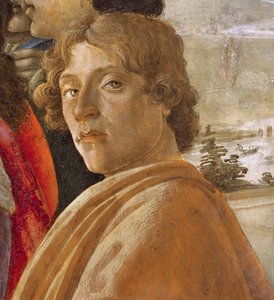
1445–1510, İtalya
Sandro Botticelli
Sandro Botticelli'nin Hayatı Sandro Botticelli, ömrünü İtalya'nın Floransa şehrinin o dar ve hareketli sokaklarında geçirdi. 1445 yıllarında Alessandro di Mariano di Vanni Filipepi adıyla dünyaya gelen sanatçı, bir dericinin oğluydu. Ailesi, ömrü boyunca bağlarını koparmadığı Ognissanti mahallesinde yaşamaktaydı. Zamanla, küçük bir şarap fıçısı veya küçük bir varil anlamına gelen botticello kelimesinden türetilen Botticelli lakabıyla tanınan bir isim haline gelecekti.
Sandro Botticelli Hakkında Sandro Botticelli tarafından yapılmış öne çıkan eserler
Sandro Botticelli tarafından yapılan diğer eserler
 Erken Yaşam ve Floransa Başlangıçları
Sandro Botticelli, yaklaşık 1445 yılında İtalya'nın Floransa şehrinde doğan Alessandro di Mariano di Vanni Filipepi, olağanüstü bir kültürel hareketlilik dönemi - Erken Rönesans sırasında ortaya çıktı. Hayatı şehrin s1485
 Primavera1482
 Venüs ve Mars1483
 Magi'lerin Tapınması
St. Jerome üzerine denemeler
 25 Masterpieces by Sandro Botticelli: The Ultimate Guide to Renaissance BeautyJourney through the ethereal beauty of Sandro Botticelli's greatest works. From The Birth of Venus to his mythic Renaissance masterpieces, …
 The Scholar and the Hermit: Examining the Iconography of Saint Jerome in Renaissance and Baroque ArtExplore the profound iconography of Saint Jerome through Renaissance and Baroque masters. Discover the secrets of sacred art history now.
 Master of Shadow: The Top 25 Essential Artworks by Jusepe de RiberaExplore 25 iconic works by Jusepe de Ribera. Master the drama of Baroque tenebrism. Discover all masterpieces on OriginalUniqueArt.com.