Expressionism · 1901
Cowshed (Paula Modersohn-Becker, 1901)
Cowshed, Paula Modersohn-Becker (1876–1907) tarafından yapıldı. 1901 yılına aittir. Expressionism akımına aittir. Oil On Canvas ile yapılmıştır. Boyutları 30 × 40 cm'dir.
- 1901
- Oil On Canvas
- 30 × 40 cm

 Gerçek Boyutta Önizle

 El Yapımı Yağlı Boya Tablo
 Paylaş
 Paylaş
 Bilgi formu


 İndir
 Benzer ürünler
 X-Işını
 Slayt Gösterisi
 Soru & Cevap

 İstatistikler
Cowshed hakkında kısa bilgi
- Başlık
- Cowshed
- Sanatçı
- Paula Modersohn-Becker (1876–1907)
- Sanatçının doğum yeri
- Dresden, Almanya
- Tarih
- 1901
- Teknik
- Oil On Canvas
- Boyutlar
- 30 × 40 cm
- Akım
- Expressionism
- Dönem
- Modern
- Konu
- cows, cowshed, animals, wooden beams, earthy tones, interior
Cowshed neyi betimliyor?
The Depiction of Cowshed by Paula Modersohn-Becker
In "Cowshed" by Paula Modersohn-Becker, the viewer steps into a quiet, enclosed interior. The scene captures a moment of stillness within a rustic cowshed, where the air feels heavy and still. Two cows occupy the center of this sheltered space, their large, organic forms resting amidst the structural elements of the farm. There is a sense of profound solitude in this rural setting, as if the world outside has ceased to exist, leaving only the quiet presence of the animals within their wooden sanctuary.
Created about 1901, the work focuses on the essential nature of these creatures and their environment. The subject matter remains straightforward, centering entirely on the cows and the immediate architecture of the shed. Rather than seeking a grand spectacle, Paula Modersohn-Becker directs our attention to the simple reality of everyday life. The cows exist in a state of calm, their presence defined by the shadows and the sturdy beams that frame their resting place. This focus on the mundane reveals a quiet, somber atmosphere that lingers in the air of the composition.
Composition and Visual Elements of the Work
The scene unfolds within a tight, enclosed frame that pulls the viewer directly into the heart of the rustic setting. Two cows occupy the foreground, their heavy forms anchoring the space. They do not sit in an open field but are nestled within the confines of the shed, their presence felt immediately. Vertical lines dominate the visual field, driven by the sturdy wooden beams of the structure. These upright elements slice through the composition, creating a rhythmic, structural grid that defines the interior. The cows are partially obscured by these beams, a detail that adds a sense of depth and layers the space between the viewer and the animals.
A certain flatness characterizes the perspective, as the work lacks a clear vanishing point to lead the eye into a distant horizon. Instead, the focus remains fixed on the immediate, physical presence of the subjects. This lack of deep recession keeps the eye circulating within the immediate environment of the cowshed. The arrangement emphasizes the weight and volume of the animals against the rigid, architectural lines of the wood. The composition relies on the interplay between these organic, rounded shapes and the straight, unyielding geometry of the shed, capturing a quiet moment of stillness within the enclosure.
Technique and Material Application
The oil paints cling to the canvas with a palpable, tactile presence. Each stroke feels gestural and loose, as if the artist’s hand moved with a sudden, urgent rhythm to capture the essence of the scene. This application avoids the polished finish of academic tradition, opting instead for a visible, textured surface where the movement of the brush remains part of the story. One can sense the layering of pigments, building up the forms of the cows and the wooden beams through a series of expressive, unhurried marks.
There is a fascinating tension in how the paint is handled. The work carries the weight of early Expressionism, prioritizing the emotional truth of the cowshed over a photographic likeness. Yet, a lingering influence of Impressionism breathes through the way color and light are treated. The paint does not merely sit on the surface; it seems to pulse with a quiet, internal energy. The materiality of the oil medium allows for a soft blending in some areas, while in others, the thick, impasto-like quality of the brushwork defines the ruggedness of the rustic setting.
Color and Lighting in the Cowshed
The atmosphere within the shed feels heavy and quiet, held in place by a palette of deep, earthy tones. Browns and greys dominate the space, grounding the scene in a rustic reality. Flecks of green and white emerge from the shadows, suggesting the organic presence of the animals and the weathered textures of their surroundings. These colors do not shout; they whisper of the soil and the dim interior of a working farm.
Light enters the space in a soft, diffused manner, as if filtered through heavy timber or a cloudy sky. There are no sharp glares or sudden bursts of brightness to break the stillness. Instead, a gentle, dim glow settles over the cows, creating a sense of enclosure. The lack of dramatic contrast keeps the eye moving softly across the scene, where shadows are subtle rather than deep or piercing. This muted light lends a somber quality to the work, capturing a moment of profound solitude within the wooden walls.
Shapes and Textures within the Scene
Organic forms dominate the immediate presence of the cows, their rounded bodies creating soft, curving silhouettes that break the stillness of the interior. These natural, flowing shapes find themselves in constant tension with the rigid, rectangular geometry of the shed's construction. The wooden beams slice through the space in straight, uncompromising lines, framing the animals and establishing a sense of structural enclosure. This juxtaposition between the living, breathing curves of the livestock and the hard-edged architecture of the cowshed defines the visual rhythm of the scene.
A palpable sense of materiality emerges through the heavy, visible brushstrokes that dance across the surface. These gestural marks do more than define form; they build a tactile reality that invites the eye to feel the weight of the subjects. The rough, uneven application of paint suggests the coarse grain of weathered wood and the thick, matted texture of animal hide. Every stroke carries a sense of movement, making the surfaces feel lived-in and heavy with the quiet atmosphere of the rural setting.
Cowshed için yüksek çözünürlüklü görseller

Kamu malı: sanatçı 1907 yılında vefat etmiştir.
Diğer boyutlar, kırpma seçenekleri ve alıntı bilgisi →Paula Modersohn-Becker, Cowshed (1901). Kamu malı.
Cowshed hakkında sorular ve cevaplar
Paula Modersohn-Becker imzalı "Cowshed" hangi yılda üretildi?
Paula Modersohn-Becker imzalı "Cowshed", 1901 yılında yaratılmıştır.
Paula Modersohn-Becker imzalı "Cowshed" hangi teknikle icra edilmiştir?
Paula Modersohn-Becker imzalı "Cowshed" eserinin tekniği Oil On Canvas kullanılarak uygulanmıştır. Çoğaltımlar, bu tekniğin görünümünü yansıtmayı amaçlamaktadır.
Paula Modersohn-Becker imzalı "Cowshed" eserinin gerçek boyutları nedir?
Paula Modersohn-Becker imzalı "Cowshed" eserinin kayıtlı boyutları 30 x 40 cm şeklindedir. Reproduksiyonlar, aynı oranlar korunarak diğer boyutlarda sipariş edilebilir.
Paula Modersohn-Becker imzalı "Cowshed" eserinde hangi konular işleniyor?
Paula Modersohn-Becker imzalı "Cowshed" eserinde yer alan temalar cows, cowshed, animals, wooden beams, earthy tones, interior unsurlarını içermektedir. Bunlar birlikte, eserin konu içeriğini özetlemektedir.
Paula Modersohn-Becker imzalı "Cowshed" kamu malı mı?
Paula Modersohn-Becker imzalı "Cowshed", kamu malıdır - telif hakkı süresi dolmuştur statüsündedir. Bu durum, eserin görüntüsünün nasıl çoğaltılabileceğini belirler.
"Cowshed" eserinin sanatçısı kim?
"Cowshed" eserinin sanatçısı Paula Modersohn-Becker'tir. Eser, Paula Modersohn-Becker adına kataloglanmıştır.
Paula Modersohn-Becker imzalı "Cowshed" hangi sanat akımına dahildir?
"Cowshed", Expressionism akımına ait bir eserdir. Bu akım, eserin dahil olduğu sanatsal geleneği ifade eder.
"Cowshed" adlı eser, Paula Modersohn-Becker kariyerinin hangi dönemine ait?
"Cowshed", Paula Modersohn-Becker kariyerinin Early Period dönemine aittir. Bu sınıflandırma, eseri sanatçının gelişim süreciyle ilişkilendirir.
Paula Modersohn-Becker, 1901 yılında "Cowshed" eserini oluşturduğunda kaç yaşındaydı?
Paula Modersohn-Becker, 1901 yılında "Cowshed" eserini oluşturduğunda 25 yaşındaydı. Bu yaş, sanatçının 1876 olan doğum yılı esas alınarak hesaplanmıştır.
Sanatçı hakkında, Paula Modersohn-Becker

1876–1907, Almanya
Paula Modersohn-Becker
Paula Modersohn-Becker: İçgörünün Öncüsü Paula Modersohn-Becker, erken modern sanatın kayıtlarında sessiz bir güçle yankılanan bir isimdir ve cesaret etmeye karar veren bir sanatçıdır. 8 Şubat 1876'da Almanya’nın Dresden şehrinde Minna Hermine Paula Becker olarak doğmuş, trajik bir şekilde kısa olan hayatı – 30 Kasım 1907'de Worpswede’de vefat etmiştir – ancak bu otuz yıl içinde olağanüstü sanatsal yenilik ve kişisel cesaret yolu çizmiştir. Hikayesi, yaşam boyu anında ün veya yaygın tanınma hikayesi değildir; aksine, geleneklere meydan okuyan ve dürüstlükle insan deneyiminin derinliklerini keşfeden bireysel bir sesin kalıcı gücünün kanıtıdır. Görece ayrıcalıklı bir yetiştirilmede – amcası Prusya Kralı'nı öldürmeye teşebbüs etmiş, gölgeli bir ailede – Paula’nın sanatsal eğilimleri beslenmiş olsa da toplumsal beklentiler de üzerine baskı yapmıştır.
Paula Modersohn-Becker Hakkında Paula Modersohn-Becker tarafından yapılmış öne çıkan eserler
Paula Modersohn-Becker tarafından yapılan diğer eserler
 Portrait of a young woman with red hat1900
 Half-length portrait of an old farmer1903
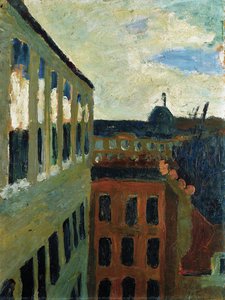 View from the studio window of the artist in Paris1900
 Still life with plant, lemon and orange1906
Cowshed üzerine denemeler
 The Weight of Silence: Reflection and Isolation in the Works of the Old MastersExplore the profound themes of solitude through the Old Masters and modernists. Discover the art of isolation now.
 German artworks of the 1900sGerman Expressionism through the works of Franz Marc, Ernst Ludwig Kirchner, and August Macke. Find museum-quality reproductions on Origina…
 Pastoral Rhythms: Capturing the Essence of Farm Animals in Impressionist ArtExplore the sensory depth of farm animals in Impressionist art through expert analysis. Discover the beauty of pastoral rhythms today.