
 Gerçek Boyutta Önizle
 Paylaş
 Paylaş
 Detayları Gör
 Rehber

 İndir
İndir
 Benzer ürünler
 X-Işını
 Slayt Gösterisi
 Soru & Cevap
 İstatistikler
To Have the Apprentice in the Sun


 Tümünü Gör
Bu sayfada sergilenen eser telif hakkı yasasıyla korunmaktadır; bu da yasal olarak eserin birebir kopyasını oluşturamayacağımız veya satamayacağımız anlamına gelir. Bu koruma, aşağıdakiler gibi uluslararası anlaşmalar kapsamında uygulanmaktadır: Bern Sözleşmesi ve aşağıdakiler de dahil olmak üzere ulusal yasalarca belirlenen ABD Telif Hakkı Kanunu - 17. Başlık.
Bu yöntem, koruma altındaki sanat eserinin kopyalanmasını veya çoğaltılmasını içermediği için telif hakkı düzenlemelerine tam uyum sağlar. Bunun yerine, yaratıcı bir yeniden yorumlamadır; orijinalinden etkilenen ancak onunla aynı olmayan yeni bir tablodur.
Giclée / Sanat Baskısı
Hızlı üretim ve esnek bitiş seçenekleriyle müze kalitesinde giclée veya kanvas baskı. ( El Yapımı Tablo Satın Al Dijital Görsele Geç)




P118B ₺10

P118H ₺10

P118W ₺10

P438Z ₺10

P508JH ₺12

P508YH ₺12

P805H ₺10

P805Z ₺10

P919BZ ₺10

P919G ₺10

P919XJ ₺10

P959ZH ₺10

P968JZ ₺12

W106C ₺8

W218G ₺10

W218JH ₺8

W218Y ₺10

W307PJ ₺10

W316G ₺10

W316PJ ₺8

W316Y ₺10

W398PJ ₺8

W4111J ₺10

W500HY ₺15

W500JH ₺15

W692G ₺12

W849H ₺8

W940BG ₺15

W953PJ ₺8




Eserin orijinal oranlarıyla uyumlu, önceden belirlenmiş boyutlarımız arasından seçim yapın.

Çerçevenize veya duvarınıza uygun olması için ihtiyacınız olan genişlik ve yüksekliği yazın. Bir baskı yalnızca kesilebilir, görselden daha büyük hale getirilemez; bu nedenle farklı bir formdaki boyut seçimi, görselin bir kısmının kaybına neden olur. Herhangi bir baskı yapmadan önce onaylamanız için size bir dijital taslak gönderiyoruz. Bu sayfada gösterilen resim gerçek kesimi göstermez — bunu yalnızca taslak gösterir.
Dünya Çapında Teslimat (); standart 4/5 hafta yerine 2 haftada. (6 Kasım)

Dünya Çapında Ücretsiz Ekspres Kargo

Yüksek Kaliteli Keten Kanvas

Tam Nakliye Sigortası

Gümrük Vergisi İadesi Garantisi

Gerçek Renk Uyumu Garantisi

100 Günlük İade Politikası (Sadece Kusurlu Ürünler İçin)

%100 Para İade Garantisi

Toplu Alım İndirimi
 Cam seçeneği yalnızca 110 cm altındaki boyutlar için mevcuttur.

To Have the Apprentice in the Sun
Giclée / Sanat Baskısı
Reproduksiyon Boyutu
-


Toplam Tutar
₺ 3987
A Bicycle Sonata: Duchamp’s Provocative Meditation on Art and Leisure
Marcel Duchamp's To Have the Apprentice in the Sun, created in 1914, is not merely a depiction of a man riding a bicycle; it’s a carefully constructed paradox, a deliberate disruption of conventional artistic expectations. This seemingly simple image—a figure on sheet music against the backdrop of a piano—resonates with layers of meaning that speak to Duchamp's core philosophy: challenging the very definition of art and questioning its relationship to everyday life. The year 1914, a period marked by immense global upheaval, provides a crucial context for understanding Duchamp’s work – a world on the brink of war, prompting artists to reconsider established norms and explore new modes of expression.
The Composition: Music, Movement, and the Unconventional Subject
The artwork immediately arrests the viewer with its unusual subject matter. A man, dressed in a helmet – a detail that subtly suggests both protection and a certain vulnerability – is engaged in the act of cycling on what appears to be a sheet of music. The positioning is deliberate; the bicycle isn’t simply placed beside the piano, but actively occupies the space *of* the music itself. This fusion of the mechanical and the musical creates an intriguing tension. Duchamp masterfully utilizes black and white, lending the image a stark, almost photographic quality that emphasizes the geometric forms and the figures' placement. The lack of color further directs attention to the composition’s inherent structure and the interplay between the bicycle and the music.
- The Bicycle: Represents movement, progress, and perhaps even a rejection of traditional artistic conventions.
- Sheet Music: Symbolizes art, creativity, and the established order of artistic practice.
- Piano: Suggests harmony, structure, and the potential for both beauty and rigidity.
Dadaist Roots and a Rejection of Representation
Created during Duchamp’s involvement with the Dada movement, To Have the Apprentice in the Sun embodies Dada's core tenets: anti-art, absurdity, and a rejection of traditional artistic values. Dada artists sought to dismantle established hierarchies and expose the arbitrary nature of aesthetic judgment. Duchamp’s work directly reflects this ethos by presenting an image that defies easy interpretation. It isn’t a portrait, a landscape, or a still life; it's a conceptual arrangement designed to provoke thought rather than provide visual pleasure in the conventional sense. The bicycle, a symbol of modernity and industrial progress, is juxtaposed with the music, representing the artistic realm, creating an unsettling yet compelling dialogue.
Symbolism and Duchamp’s Philosophical Inquiry
Beyond its Dadaist context, the image operates on a deeper symbolic level. The “apprentice” – a term suggesting someone in training or learning – could be interpreted as representing the artist himself, grappling with the challenges of forging his own artistic path. The act of riding a bicycle *on* music suggests an attempt to integrate the mundane and the extraordinary, the practical and the aesthetic. Duchamp wasn’t simply depicting a scene; he was engaging in a philosophical inquiry into the nature of art, its relationship to reality, and the role of the artist within society. The helmet worn by the cyclist adds another layer – is it protection from the world, or a shield against the judgment of established artistic norms?
To Have the Apprentice in the Sun remains a powerfully evocative work, demonstrating Duchamp’s genius for disrupting expectations and inviting viewers to reconsider their assumptions about art. A reproduction captures not only the image's striking composition but also the spirit of intellectual rebellion that defines this pivotal moment in modern art history.
Soru ve Cevaplar
Marcel Duchamp imzalı "To Have the Apprentice in the Sun" hangi teknikle icra edilmiştir?
Marcel Duchamp imzalı "To Have the Apprentice in the Sun" eserinin tekniği Acrylic On Canvas kullanılarak uygulanmıştır. Çoğaltımlar, bu tekniğin görünümünü yansıtmayı amaçlamaktadır.
Marcel Duchamp imzalı "To Have the Apprentice in the Sun" eserinde hangi renk paleti kullanılmıştır?
Marcel Duchamp imzalı "To Have the Apprentice in the Sun", Pastels bir renk paleti kullanıyor. Bu palet, eserin genel renk karakterini özetliyor.
Marcel Duchamp imzalı "To Have the Apprentice in the Sun" için bir rehber sayfası mevcut mu?
Marcel Duchamp imzalı "To Have the Apprentice in the Sun" eserinin Bilgi Notu sayfası; eserin kimlik tablosu, sanatçının yaşam öyküsü içinde yerini gösteren on yıllık zaman çizelgesi, sanatçının diğer çalışmaları, ölçülmüş renk paleti ve dört farklı stilde kopyalamaya hazır atıfları içeren, iki sayfadan oluşan yazdırılabilir bir bilgi formu sunar.
Sanatçı Özgeçmişi
Marcel Duchamp: Sanatın Sınırlarını Yıkıp Arayan Devrimci Ruh
Marcel Duchamp, Henri-Robert-Marcel Duchamp adıyla 1887 yılında Blainville-Crevon, Normandiya’da doğmuş; yirminci yüzyıl sanatının en etkili figürlerinden biri olarak tarihe geçmiştir. Sanatçı kimliğinin yanı sıra, felsefi bir kışkırtıcı ve modern sanatın seyrini kökten değiştiren bir düşünür olmuştur. Ailesi sanata değer veren, kardeşleri de başarılı sanatçılar olan bir ortamda büyümüş olması, onun içindeki ikonoklastik eğilimlerin erken yaşta filizlenmesine zemin hazırlamıştır. Duchamp ilk eğitimlerini geleneksel teknikleri öğrenerek almış ve post-empresyonist tarzda eserler üretmiştir. Ancak bu akademik altyapı, sanatın doğası, amacı ve tanımı üzerine derin sorgulamalar yürütmek için bir başlangıç noktası olmuştur. Dünyayı betimlemekten öte, algılarımızı zorlayan ve sanatsal değerin ne anlama geldiğini sorgulatan eserler yaratmak istemiştir. Bu bitmeyen entelektüel merak, onun verimli kariyerinin belirleyici özelliği haline gelmiştir.Kübizm’den Dada’ya: Geleneksel Normlara Bir Red
Duchamp'ın sanatsal yolculuğu, sürekli bir evrim ve yerleşmiş normlardan uzaklaşma ile karakterize olmuştur. Kübizm ile ilk etkileşimi, *Çalgıcılar Portresi* (1911) gibi eserlerinde görülebilir; burada parçalanmış formlara ve çoklu perspektiflere olan ilgisi, geleneksel temsilden bir kopuşu işaret etmiştir. Ancak kısa sürede sadece görsel unsurları yeniden düzenlemenin yeterli olmadığına karar vermiş, daha derin soruları ele almak için farklı bir yaklaşıma ihtiyaç duyduğunu anlamıştır. I. Dünya Savaşı'nın dehşeti bu hoşnutsuzluğu körüklemiş ve onu Dadaizm’i kucaklamasına neden olmuştur. Dadaizm, mantığı, akılcılığı ve geleneksel sanatsal değerleri reddeden bir hareket olarak ortaya çıkmıştır. Duchamp tam da bu çerçevede sanatın geleneksel kavramlarını parçalamaya başlamıştır. Güzel nesneler yaratmakla değil, düşünceyi harekete geçirmek, varsayımları zorlamak ve estetik yargının keyfiliğini açığa çıkarmakla ilgilenmiştir. Bu dönemde en radikal yeniliği olan ‘hazır nesne’ konsepti doğmuştur.Hazır Nesneler ve Sanatın Alt Üst Edilmesi
Hazır nesnelerin tanıtımı – seçilip sanat eseri olarak sunulan sıradan üretilmiş objeler – 20. yüzyıl sanatına Duchamp'ın en önemli katkısıdır. Bunlar sadece bulunan objeler değildi; sanatsal yıkımın bilinçli eylemleriydi. Örneğin, bir lavaboyu (*Çeşme*, 1917) alıp “R. Mutt” imzasını atarak ve bunu bir sanat sergisine sunarak Duchamp, sanatsal becerinin ve yazarlığın tanımını sorgulamıştır. Eseri yaratan gerçekten sanatçının eli miydi, yoksa sanatçının *fikri* mi? Bu soru onun pratiğinin merkezine yerleşmiş ve Kavamsal Sanat'ın temellerini atmıştır. *L.H.O.O.Q.* (1919) gibi diğer önemli hazır nesneler, Mona Lisa’nın bir kartpostal reprodüksiyonunu bıyık ve sakalla değiştiren eserler, sanat tarihine ve yerleşik kültürel ikonlara karşı oynak ama keskin eleştiriler olmuştur. Bu eserler estetik nitelikleri için değil; tartışmayı uyandırmak ve izleyicilerin sanatı neyin oluşturduğunu hakkındaki önceden belirlenmiş fikirlerini yeniden düşünmelerini sağlamak amacıyla tasarlanmamıştır. Duchamp'a göre sanat, gözde değil zihinde bulunmalıdır.Mirası ve Süregelen Etkisi
Marcel Duchamp’ın sonraki nesillerdeki sanatçılar üzerindeki etkisi ölçülemezdir. Sanatın anlayışımızı kökten değiştirmiş, Kavamsal Sanat, Minimalizm, Pop Art ve sayısız diğer akımların önünü açmıştır. Sanatçının fikri – eserin ardındaki kavram – estetik niteliklerinden daha önemli olduğu vurgusu günümüzde de sanatçıları ilhamlandırmaya devam etmektedir.- Kübizm: Parçalanmış formların ve uzamsal temsilin ilk keşfi.
- Dadaizm: I. Dünya Savaşı'na tepki olarak mantığı, akılcılığı ve geleneksel sanatsal değerleri reddetme.
- Kavamsal Sanat: Eserin estetik niteliklerinden ziyade ardındaki fikre vurgu.

Marcel Duchamp
1887 - 1968 , Fransa
Kısa Bilgiler
- Artistic Movement Or Style:
- Kübizm
- Dadaizm
- Kavramsal Sanat
- Artists Or Movements Influenced By This Artist:
- Pop Sanatı
- Minimalizm
- Date Of Birth: 28 Temmuz 1887
- Date Of Death: 2 Ekim 1968
- Full Name: Marcel Duchamp
- Nationality: Fransız-Amerikalı
- Notable Artworks:
- Fountain
- L.H.O.O.Q.
- The Large Glass
- Place Of Birth: Blainville, Fransa
Benzer Yazılar

The Symphony of Canvas: Capturing the Timeless Resonance of Musical Instruments in Fine Art Masterpieces
Explore the profound connection between music and fine art. From ancient iconography to Impressionist masterpieces, discover how legendary instruments are captured on canvas with unparalleled artistry and historical depth for the discerning collector.

Dadaism Explained: The Anti-Art Movement That Redefined Modernity
Explore the radical origins of Dadaism. From the chaos of WWI to Marcel Duchamp's revolutionary readymades, discover how this anti-art movement dismantled tradition and birthed modern conceptual art. An essential guide for students and collectors of fine art history.
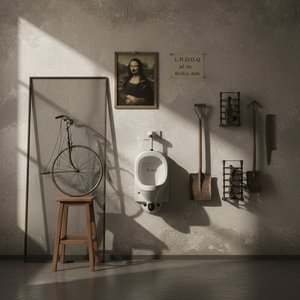
Marcel Duchamp: Challenging Conventions & Redefining Art in the 20th Century
Explore the revolutionary art of Marcel Duchamp! Discover how his Dadaist readymades challenged artistic conventions & redefined modern art. A deep dive into 'Fountain', conceptual shifts, and his lasting impact.
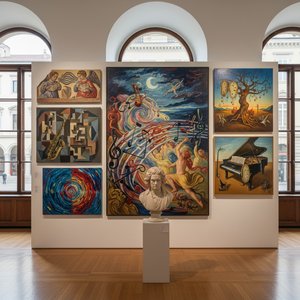
Harmonies on Canvas: Exploring the Visual Representation of Music in Art History
Explore the fascinating history of music's visual representation in art! From ancient symbolism to modern abstraction, discover how artists have captured sound and emotion on canvas. Expert insights & stunning examples.
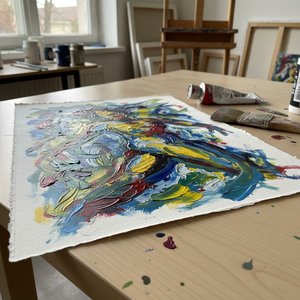
Acrylic on Paper: A Modern Canvas for Contemporary Expression
Explore the versatility of acrylic painting on paper! Discover expert techniques, artist insights & archival practices for creating stunning contemporary art. Learn more at OriginalUniqueArt.
![Henri-Robert-Marcel Duchamp (UK: , US: ; French: [maʁsɛl dyʃɑ̃]; 28 July 1887 – 2 October 1968) was a French American artist, chess player, and inventor who played a key role in the development of the avant-garde in the United States and in New York City,](/media/artworks/images-thumb/72/1a/721a0955aa80459ebfff5a502d33a968.jpg)


