- Ana Sayfa

- Kanvas baskı
- luis de carbajal
- Circumcision

 Tabloyu Sipariş Et Görseli Satın Al
 Paylaş
 Paylaş
 Detayları Gör
 Favorilere ekle

 İndir
İndir
 Benzerlerini gör
 X-Işını
 Slayt Gösterisi
Circumcision
 Tuval Üzerine Akrilik Boya
- Duvar Sanatı
- Baroque Revival
 1580
1580 95.0 x 73.0 cm
 Hermitage Müzesi
 Tümünü Gör
Giclée / Sanat Baskısı
Hızlı üretim ve esnek bitiş seçenekleriyle müze kalitesinde giclée veya kanvas baskı.




P118B $10

P118H $10

P118W $10

P438Z $10

P508JH $12

P508YH $12

P805H $10

P805Z $10

P919BZ $10

P919G $10

P919XJ $10

P959ZH $10

P968JZ $12

W106C $8

W218G $10

W218JH $8

W218Y $10

W307PJ $10

W316G $10

W316PJ $8

W316Y $10

W398PJ $8

W4111J $10

W500HY $15

W500JH $15

W692G $12

W849H $8

W940BG $15

W953PJ $8




Eserin orijinal oranlarıyla uyumlu, önceden belirlenmiş boyutlarımız arasından seçim yapın.

Belirli bir çerçeveye veya alana uyması için kendi ölçülerinizi girebilirsiniz. Seçtiğiniz boyut orijinal görüntünün oranlarıyla eşleşmiyorsa, sanat eserini kırpacağız veya görüntüyü aynalanmış ya da düz dolgulu bir kenarlıkla genişleteceğiz. Üretim başlamadan önce onayınız için bir dijital taslak gönderilecektir.
Lütfen ekrandaki önizlemenin gerçek kırpma veya genişletmeyi yansıtmadığını unutmayın. Nihai kompozisyonu yalnızca taslak doğru bir şekilde gösterecektir.
Özel boyutlar mevcut olsa da, orijinal oranları korumak için önceden tanımlanmış listeden bir boyut seçmenizi öneririz.
Dünya Çapında Teslimat (); standart 4/5 hafta yerine 2 haftada. (23 Temmuz)

Dünya Çapında Ücretsiz Ekspres Kargo

Yüksek Kaliteli Keten Tuval

Tam Kapsamlı Nakliye Sigortası

Gümrük Vergisi İade Garantisi

Gerçek Renk Uyumu Garantisi

60 Günlük İade Politikası (Sadece Kusurlu Ürünler İçin)

%100 Para İade Garantisi

Toplu Alım İndirimi
 Cam seçeneği yalnızca 110 cm altındaki boyutlar için mevcuttur.

Circumcision
Giclée / Sanat Baskısı
Reproduksiyon Boyutu
-


Toplam Tutar
-
Eser Açıklaması
Luis de Carbajal: Toledo’s Gothic Soul Transformed
Luis de Carbajal (c. 1531 – after 1618), born in Toledo, Spain, stands as one of the most prolific and influential painters of the Spanish Renaissance, particularly renowned for his monumental cathedral altarpieces that embody the grandeur and spiritual fervor of the era. While overshadowed by contemporaries like El Greco—with whom he shared a formative artistic connection—Carvajal’s distinctive style cemented his place in art history as a pivotal figure in Toledo’s artistic revival and a masterful interpreter of Gothic sensibilities adapted to the burgeoning humanist spirit. His output spanned decades, leaving behind an impressive legacy that continues to inspire admiration for its meticulous detail and emotive power. ### The Crucible of Influence: Early Training & El Greco's Legacy Carvajal’s formative years coincided with El Greco’s arrival in Toledo, establishing himself as a teacher and fostering a stylistic dialogue that would profoundly shape Carbajal's artistic vision. This mentorship instilled in him a fascination for dramatic lighting—a hallmark of El Greco’s Mannerist style—and an unwavering commitment to conveying spiritual depth through meticulously rendered figures. The influence of Villoldo, another prominent Toledo artist, contributed to his understanding of classical proportions and compositional balance, grounding his work in humanist principles alongside religious devotion. This confluence of artistic traditions ensured that Carbajal's oeuvre would never be merely decorative; it would always strive for profound emotional resonance. ### Cathedral Altarpieces: Monumental Expressions of Faith – A Synthesis of Tradition & Innovation Carvajal’s fame rests primarily on his monumental cathedral altarpieces—a genre that flourished during the Habsburg reign and served as a powerful vehicle for disseminating theological narratives. His most celebrated commissions included seven canvases depicting saints for the Escorial Cathedral, commissioned by Philip II to commemorate the Holy Spirit. These works exemplify Carbajal's mastery of technique: he employed oil paint on canvas with painstaking precision, layering translucent glazes to achieve luminous effects and capturing subtle nuances of expression in his figures. The composition—characterized by pyramidal structures and dramatic diagonals—mirrors the architectural grandeur of the cathedral itself, reinforcing its symbolic significance as a locus of divine presence. Each saint is portrayed with palpable emotion, conveying not merely doctrinal correctness but also spiritual contemplation. He skillfully blended Gothic stylistic elements – elongated figures, stylized drapery – with Renaissance humanist ideals to create images that were both aesthetically compelling and spiritually profound. ### Symbolism & Emotion: Decoding the Visual Language Carvajal’s artistic approach wasn't simply about replicating religious iconography; it was about reimagining Gothic traditions within the framework of Renaissance humanism. He deliberately incorporated elements reminiscent of medieval art—such as stylized drapery and elongated figures—to evoke a sense of solemn reverence and to honor Toledo’s rich ecclesiastical heritage. The saints depicted are not merely representations of biblical figures but embodiments of virtues – compassion, humility, courage – reflecting the moral values championed by humanist thinkers. Furthermore, Carbajal's meticulous attention to detail—from the folds of robes to the expressions on faces—demonstrates a profound understanding of human psychology and elevates his paintings beyond mere visual spectacle into emotionally resonant experiences. The artist’s masterful use of chiaroscuro—the interplay of light and shadow—intensifies these emotional effects, drawing viewers into the spiritual drama unfolding before their eyes. ### Rediscovery & Legacy: Toledo's Artistic Soul Preserved Today, Carbajal’s canvases reside primarily in the Museo del Prado in Madrid, where they continue to captivate audiences with their breathtaking beauty and spiritual depth. Recent scholarship has illuminated the significance of his work within the broader context of Toledo’s artistic revival—a period marked by a renewed interest in classical ideals alongside an enduring devotion to Christian faith. His paintings stand as testament to Carbajal's skill, creativity, and unwavering commitment to conveying the sublime—a legacy that secures his place among Spain’s greatest artists and ensures that his masterpieces endure for generations to come. They represent not just artistic achievement but also a vital connection to Toledo’s cultural heritage and a timeless expression of faith and human emotion.Sanatçı Özgeçmişi
Luis de Carbajal: A Toledo Master Shaping Gothic Faith
Luis de Carbajal (c. 1531 – after 1618), born in Toledo, Spain, stands as one of the most prolific and influential painters of the Spanish Renaissance, particularly renowned for his monumental cathedral altarpieces that embody the grandeur and spiritual fervor of the era. While overshadowed by contemporaries like El Greco—with whom he shared a formative artistic connection—Carvajal’s distinctive style cemented his place in art history as a pivotal figure in Toledo’s artistic revival and a masterful interpreter of Gothic sensibilities adapted to the burgeoning humanist spirit.- Early Life & Artistic Training: Carbajal's origins remain somewhat obscure, though he was undoubtedly educated within the vibrant intellectual milieu of Toledo, a city steeped in religious tradition and increasingly receptive to European ideas circulating from Italy. His formative years coincided with El Greco’s arrival in Toledo, establishing himself as a teacher and profoundly impacting Carbajal’s artistic vision. This mentorship instilled a deep appreciation for dramatic chiaroscuro—the interplay of light and shadow—a technique that would become a hallmark of Carbajal's oeuvre.
- The Gothic Influence: Unlike El Greco’s ethereal mysticism, Carbajal’s paintings retain an unwavering grounding in the architectural vocabulary of Gothic churches. He meticulously studied cathedrals like Toledo Cathedral itself, absorbing their soaring vaults, ribbed arches, and stained glass windows—elements he skillfully incorporated into his compositions to convey a sense of awe and reverence. This stylistic choice reflects not merely aesthetic preference but also a deliberate engagement with the theological concerns of the time.
- Notable Works & Artistic Style: Carbajal’s output spanned decades, producing an astonishing number of paintings – estimated at over 300 – primarily focused on religious subjects. His most celebrated achievements include the monumental altarpiece for Toledo Cathedral (completed in 1591), depicting scenes from the Passion of Christ and embodying the apex of Gothic artistic expression. Other significant commissions included works for monasteries and noble patrons, showcasing his mastery of color palettes—often rich hues accented by gold leaf—and meticulous detail.
- El Greco’s Legacy & Artistic Dialogue: Carbajal's relationship with El Greco was complex yet undeniably formative. While he absorbed El Greco’s dramatic style, Carbajal tempered it with a more restrained elegance and a greater emphasis on architectural precision. Critics have noted subtle influences from El Greco in Carbajal’s compositions—particularly in the expressive gestures of figures and the use of luminous color—suggesting a continuous artistic conversation across generations.
- Historical Significance & Artistic Reputation: Carbajal's contribution to Toledo’s artistic heritage is undeniable, shaping the visual landscape of one of Spain’s most historically significant cities. His paintings continue to inspire admiration for their technical virtuosity and spiritual depth, securing his legacy as a cornerstone of Spanish Renaissance art and a testament to the enduring power of Gothic aesthetics.

luis de carbajal
1531 - 1618 , Spain
Kısa Bilgiler
- Artistic Movement Or Style: Religious Painting; Gothic Art Style
- Artists Or Movements Influenced By This Artist: ['El Greco']
- Artists Who Influenced This Artist: ['Alonso Berruguete']
- Date Of Birth: 1531
- Full Name: Luis de Carbajal y de la Cueva
- Nationality: Spanish
- Notable Artworks: ['Circumcision']
- Place Of Birth: Toledo, Spain
İlgili Makaleler
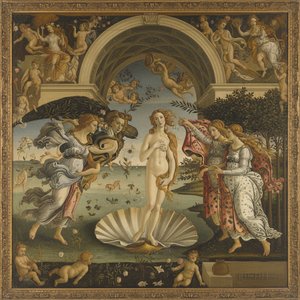
Sandro Botticelli'nin En İyi 25 Eseri: Rönesans Sanatının İncileri | OriginalUniqueArt
Sandro Botticelli'nin en iyi 25 eserini keşfedin! Rönesans sanatının incisi tabloların hikayelerini, renklerini ve anlamlarını öğrenin. Venus'un Doğuşu ve Primavera gibi ikonik yapıtlarla evinizi sanatsal bir şölene dönüştürün. OriginalUniqueArt.com’da kaliteli sanat replikalarıyla tanışın.
Erken Rönesans'ın Zirveleri: Sanat Tarihini Derinlemesine Etkileyen 10 Başyapıt
Erken Rönesans'ın 10 başyapıtıyla sanat tarihine yolculuk! Botticelli, Leonardo da Vinci gibi ustaların eserleriyle evinizi dönüştürün. OriginalUniqueArt.com’da müze kalitesinde replikalar ve benzersiz dekorasyon fikirleri keşfedin.

El Greco'nun En İyi 25 Eseri: Sanat Tarihinin İkonik Yorumları ve Ev Dekorasyonu İçin İlham Veren Seçkiler
El Greco'nun en iyi 25 eserini keşfedin! İspanyol Rönesansı'nın mistik dehasının dini tabloları, dramatik renkleri ve maniyerizm tarzıyla evinizi sanatla doldurun. OriginalUniqueArt.com'da yüksek kaliteli baskılarla El Greco koleksiyonuna göz atın.
Alte Pinakothek'in En İkonik 25 Eseri: Sanat Tarihine Yolculuk | OriginalUniqueArt
Alte Pinakothek'in en ikonik 25 eserini keşfedin! Rönesans'tan Barok'a uzanan sanat yolculuğunda Leonardo da Vinci, Rembrandt ve Rubens gibi ustaların izlerini sürün. Ev dekorasyonunuz için ilham alın ve OriginalUniqueArt.com'da yüksek kaliteli tablo baskılarını inceleyin.

Claude Monet'nin En İyi 25 Eseri: İzlenimci Sanatın Büyülü Dünyası | OriginalUniqueArt
Claude Monet'nin en iyi 25 eserini keşfedin! İzlenimci sanatın büyülü dünyasına dalın, her tablonun hikayesini öğrenin. Ev dekorasyonunuz için yüksek kaliteli sanat reproduksiyonları OriginalUniqueArt'ta. Koleksiyonu şimdi keşfedin!


