

 Önizle
 Gönder
 Paylaş
 Detaylar
 Rehber

 Dosyayı İndir
 Benzerleri
 X-Işını
 Slayt Gösterisi
 İstatistikler
Vita Somnium Breve
 Tuval Üzerine Akrilik Boya
- Duvar Sanatı
- Art Nouveau Modern
 1906
1906 163.0 x 143.0 cm
 Kraków Ulusal Müzesi
 Devamını Oku
Giclée / Sanat Baskısı
Hızlı üretim ve esnek bitiş seçenekleriyle müze kalitesinde giclée veya kanvas baskı. ( El Yapımı Tablo Satın Al Dijital Görsel Satışına Geç)




P118B ₺10

P118H ₺10

P118W ₺10

P438Z ₺10

P508JH ₺12

P508YH ₺12

P805H ₺10

P805Z ₺10

P919BZ ₺10

P919G ₺10

P919XJ ₺10

P959ZH ₺10

P968JZ ₺12

W106C ₺8

W218G ₺10

W218JH ₺8

W218Y ₺10

W307PJ ₺10

W316G ₺10

W316PJ ₺8

W316Y ₺10

W398PJ ₺8

W4111J ₺10

W500HY ₺15

W500JH ₺15

W692G ₺12

W849H ₺8

W940BG ₺15

W953PJ ₺8




Eserin orijinal oranlarıyla uyumlu, önceden belirlenmiş boyutlarımız arasından seçim yapın.

Çerçevenize veya duvarınıza uygun olması için ihtiyacınız olan genişlik ve yüksekliği yazın. Bir baskı yalnızca kesilebilir, görselden daha büyük hale getirilemez; bu nedenle farklı bir formdaki boyut seçimi, görselin bir kısmının kaybına neden olur. Herhangi bir baskı yapmadan önce onaylamanız için size bir dijital taslak gönderiyoruz. Bu sayfada gösterilen resim gerçek kesimi göstermez — bunu yalnızca taslak gösterir.
Dünya Çapında Teslimat (); standart 4/5 hafta yerine 2 haftada. (24 Ekim)

Dünya Çapında Ücretsiz Ekspres Kargo

Yüksek Kaliteli Keten Tuval

Tam Nakliye Sigortası

Gümrük Vergisi İadesi Garantisi

Gerçek Renk Uyumu Garantisi

100 Günlük İade Koşulları (Sadece Üretim Hatalı Ürünler İçin)

%100 Para İade Garantisi

Toplu Alım Avantajı
 Cam seçeneği yalnızca 110 cm altındaki boyutlar için mevcuttur.

Vita Somnium Breve
Giclée / Sanat Baskısı
Baskı Boyutu
-


Toplam Fiyat
₺ 3914
Vita Somnium Breve: A Fragment of Polish Symbolism Illuminated
Józef Mehoffer’s “Vita Somnium Breve” (Life is a Short Dream), completed in 1906, stands as a cornerstone of Art Nouveau stained glass artistry and embodies the spirit of Young Poland – a movement dedicated to reviving Polish national identity after centuries of partitions. Created by Krakowski Zakład Witrażów i Mozaiki S.G. Żeleński, this monumental window is housed in the National Museum of Kraków and offers a mesmerizing glimpse into the artistic sensibilities of its time. ### Artistic Style and Technique: The Fluid Embrace of Art Nouveau Mehoffer’s approach to stained glass diverges significantly from academic realism prevalent during his era. He embraced the undulating curves and organic forms characteristic of Art Nouveau, rejecting geometric rigidity for an aesthetic rooted in nature. This stylistic choice is evident throughout the composition—particularly in the stylized depiction of trees and foliage—where Mehoffer skillfully manipulates color and texture to achieve a breathtaking visual effect. The technique involved meticulous layering of colored glass sheets fused together with lead cames, demanding considerable precision and artistry from the craftsmen involved. Careful consideration was given to light diffusion, maximizing luminescence and creating an ethereal glow that enhances the window’s dramatic impact. ### Compositional Narrative: Figures Amidst Woodland Tranquility The central focus of “Vita Somnium Breve” is a group of individuals—primarily women and children—positioned within a richly detailed forest scene. Their postures convey serenity and contemplation, suggesting a meditation on life's fleeting beauty. The figures are rendered with graceful lines and expressive gestures, reflecting Mehoffer’s fascination with capturing human emotion through visual representation. Notice the subtle interplay of light and shadow across their faces and bodies, contributing to the overall mood of quiet introspection. The artist’s masterful use of color—primarily greens and blues—further reinforces this atmosphere of tranquility and symbolizes renewal and spiritual awakening. ### Historical Context: Young Poland's Artistic Renaissance “Vita Somnium Breve” emerged during a period of fervent cultural revival in Poland following the Russo-Polish War of 1893-94. Young Poland championed artistic innovation as a means of bolstering national identity and celebrating Polish heritage. Mehoffer’s work aligns perfectly with this movement's ethos, demonstrating a commitment to exploring new aesthetic languages while simultaneously honoring traditional motifs—such as trees—that held symbolic significance within Polish folklore. The window served not merely as decoration but as a powerful emblem of Poland’s aspirations for cultural flourishing and artistic excellence. ### Emotional Resonance: A Window Into Inner Reflection Ultimately, “Vita Somnium Breve” transcends its formal qualities to evoke profound emotional resonance. Its luminous colors and flowing lines invite contemplation on themes of mortality, beauty, and the interconnectedness of humanity with nature. The serene figures embody a desire for inner peace and spiritual harmony—a sentiment that continues to resonate with viewers today. Reproductions of this masterpiece offer an opportunity to bring a touch of Polish Art Nouveau elegance into any interior space, capturing the spirit of its time and inspiring reflection on life’s ephemeral wonders.Soru ve Cevaplar
"Vita Somnium Breve" için bir rehberi nerede bulabilirim?
Józef Mehoffer imzalı "Vita Somnium Breve" eserinin Rehber sayfası; eserin kimlik tablosu, sanatçının yaşam süresindeki yerini gösteren on yıllık şerit, sanatçının diğer çalışmaları, ölçülmüş renk paleti ve dört farklı stilde kopyalamaya hazır atıfları içeren, iki sayfadan oluşan yazdırılabilir bir bilgi formu sunar.
Józef Mehoffer imzalı "Vita Somnium Breve" eserinin renk kompozisyonu nasıl kurgulanmıştır?
"Vita Somnium Breve" eserinde, Beyan bir kontrast, Uyumsuz Renk Paleti bir uyumla eşleşiyor.
"Vita Somnium Breve" eserinin renkleri ne kadar canlı?
Józef Mehoffer imzalı "Vita Somnium Breve", Hafif Renk Tonları doygunlukta ve Dengeli yoğunlukta kaydedilmiştir.
Sanatçı Biyografisi
A Life of Color and Glass
Józef Mehoffer arrived in the world in Ropczyce, Poland, in 1869, though his path to the easel was not immediate. Before he embraced the brush, he pursued legal studies, a direction that only shifted after a gift of paints revealed a different vocation. He sought formal training at the Academy of Fine Arts in Kraków under Władysław Łuszczkiewicz, later expanding his horizons through studies in Vienna and Paris at the Académie Colarossi. This period of wandering through Europe’s great art centers allowed him to absorb the diverse currents of his era.
His work became a bridge between the academic traditions of his teachers, such as Jan Matejko, and the emerging avant-garde. He moved with ease between easel painting and the monumental demands of decorative arts. Whether working on portraits, landscapes, or intricate book illustrations, Mehoffer sought a fusion of form and color. His style grew to include elements of Post- Impressionism and the Secession movement, often utilizing bold palettes and fluid lines that mirrored the organic spirit of Art Nouveau.
The Light of Fribourg
While his presence was felt throughout Poland, Mehoffer achieved significant recognition through his work in Switzerland. Between 1895 and 1936, he dedicated decades to a cycle of thirteen stained-glass compositions for the Cathedral of St. Nicholas in Fribourg. This undertaking required immense technical precision, as he treated the lead came not merely as a structural necessity but as an autonomous graphic line. He selected glass of varying thicknesses and textures, using silver stain and vitreous black to manipulate how light moved through the windows.
The success of these windows brought him international attention. At the 1900 Paris World's Fair, his window titled The Martyrs earned a gold medal. This period of his life saw him blending Polish folk motifs with the sophisticated aesthetics of European Art Nouveau. His ability to translate complex religious and symbolic themes into luminous glass remains a central part of his professional identity.
A Decorative Legacy
Mehoffer’s creative output was remarkably broad, refusing to be confined to a single medium. He was as much a designer of furniture, textiles, and posters as he was a painter of canvases. His hand could be found in the mosaics of the Armenian Cathedral in Lviv and the frescoes of Wawel Cathedral. In 1897, he helped found the society Sztuka, an organization that sought to assert the independence of Polish art from the influence of occupying powers.
In his later years, Mehoffer established a home and studio on Krupnicza Street in Kraków. This house, which he purchased in 1932, became a center for musical and literary gatherings, reflecting his role as a figure of the Polish intelligentsia. He lived through the profound shifts of the early twentieth century, continuing to work even during the hardships of the Second World War. When he passed away in Wadowice in 1946, he left behind a body of work that spanned the transition from nineteenth-century tradition to the modern decorative era.

Józef Mehoffer
1869 - 1946
Kısa Bilgiler
- Artistic Movement Or Style:
- Young Poland
- Post-Impressionism
- Secession
- Art Nouveau
- Symbolism
- Artists Who Influenced This Artist:
- Jan Matejko
- Władysław Łuszczkiewicz
- Henri Matisse
- Full Name: Józef Mehoffer
- Nationality: Polish
- Notable Artworks:
- Vita somnium breve
- Three Kings
- The Farewell
- The Muse
- Medusa
- Place Pigalle in Paris
- Place Of Birth: Ropczyce, Poland
- Date Of Birth: 1869
- Date Of Death: 1946
İlgili Yazılar
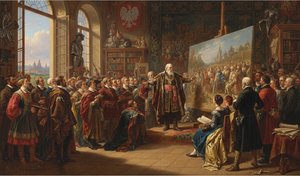
Jan Matejko: Historical Narrative & National Identity in 19th-Century Polish Painting
Explore the powerful historical paintings of Jan Matejko, Poland's national artist. Discover his iconic works & learn how he shaped Polish identity in the 19th century. High-quality reproductions available.
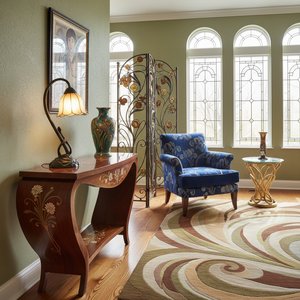
Art Nouveau'nun Zarafeti: Evinizi Tanımlayan 10 Eser ve Sanat Rönesansı
Art Nouveau'nun büyüleyici dünyasına yolculuk! Gustav Klimt, Mucha gibi ustaların 10 başyapıtıyla evinizi sanatla dönüştürün. Sanat tarihi, renkler ve dekorasyon için OriginalUniqueArt.com'da keşfedin!
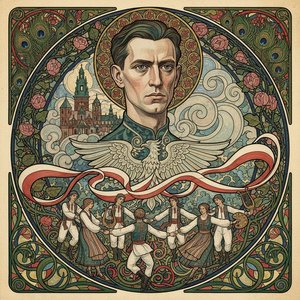
Stanisław Wyspiański: Symbolism, National Identity & the Polish Secession
Explore the life & work of Stanisław Wyspiański, a pivotal figure in Polish Symbolism and the Young Poland movement. Discover his iconic paintings, dramas, and stained glass designs reflecting national identity & artistic innovation.
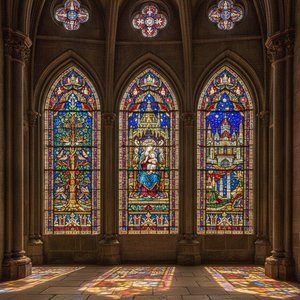
Luminous Masterpieces: The Captivating Beauty and Timeless Elegance of Stained Glass Artworks
Embark on a visual journey through the luminous world of stained glass art. Discover the exquisite craftsmanship, historical significance, and captivating beauty of masterworks from Art Nouveau to the Gothic era, curated for the discerning fine art enthusiast.
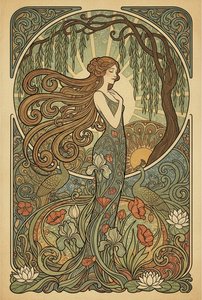
The Flowing Line & Flourishing Form: Exploring Art Nouveau's Aesthetic Legacy
Explore the captivating world of Art Nouveau! Discover its origins, key artists like Horta & Mucha, regional styles, innovative techniques, and lasting influence on architecture & design. A comprehensive guide for art enthusiasts.
