

 Önizleme yap
 Paylaş
 Paylaş
 Detayları Gör

 İndir
İndir
 Benzerlerini gör
 X-Işını
 Slayt Gösterisi
 İstatistikler
Vita Somnium Breve
 Tuval Üzerine Akrilik Boya
- Duvar Sanatı
- Art Nouveau Modern
 1906
1906 163.0 x 143.0 cm
 Kraków Ulusal Müzesi
 Tümünü Gör
El Yapımı Yağlı Boya Reproduksiyon
Sanatçılarımız tarafından sipariş üzerine hazırlanan; istediğiniz boyut ve çerçevede, tuval üzerine el boyaması yağlı boya. ( Baskı Moduna Geç Dijital Görsele Geç)




P118B $10

P118H $10

P118W $10

P438Z $10

P508JH $12

P508YH $12

P805H $10

P805Z $10

P919BZ $10

P919G $10

P919XJ $10

P959ZH $10

P968JZ $12

W106C $8

W218G $10

W218JH $8

W218Y $10

W307PJ $10

W316G $10

W316PJ $8

W316Y $10

W398PJ $8

W4111J $10

W500HY $15

W500JH $15

W692G $12

W849H $8

W940BG $15

W953PJ $8




Eserin orijinal oranlarıyla uyumlu, önceden belirlenmiş boyutlarımız arasından seçim yapın.

Belirli bir çerçeveye veya alana uyması için kendi boyutlarınızı girebilirsiniz. Seçtiğiniz boyut orijinal görüntünün oranlarıyla eşleşmiyorsa, sanat eserini kırparak veya ek el boyaması öğelerle resmi uzatarak ayarlayacağız. Üretim başlamadan önce onayınız için dijital bir taslak gönderilecektir.
Lütfen ekrandaki önizlemenin gerçek kırpmayı veya uzatmayı yansıtmadığını unutmayın. Nihai kompozisyonu yalnızca hazırlanan taslak doğru şekilde gösterecektir.
Özel boyutlar mevcut olsa da, orijinal oranları korumak adına önceden tanımlanmış listeden bir boyut seçmenizi öneririz.
Siparişten sonra, OriginalUniqueArt.com ekibi talimatlar için müşteriye e-posta gönderecek ve bir taslak önizleme sunacaktır
Dünya Çapında Teslimat (); standart 5 hafta yerine 3/4 haftada. (13 Eylül). Kaliteden ödün verilmez.

Dünya Çapında Ücretsiz Ekspres Kargo

Yüksek Kaliteli Keten Tuval

Tam Kapsamlı Nakliye Sigortası

Gümrük Vergisi İade Garantisi

Gerçek Renk Uyumu Garantisi

100 Günlük İade Politikası (Sadece Kusurlu Ürünler İçin)

%100 Para İade Garantisi

Toplu Alım İndirimi
 Cam seçeneği yalnızca 110 cm altındaki boyutlar için mevcuttur.

Vita Somnium Breve
Reproduksiyon Tekniği
Reproduksiyon Boyutu
-


Toplam Tutar
$ 300
Vita Somnium Breve: A Fragment of Polish Symbolism Illuminated
Józef Mehoffer’s “Vita Somnium Breve” (Life is a Short Dream), completed in 1906, stands as a cornerstone of Art Nouveau stained glass artistry and embodies the spirit of Young Poland – a movement dedicated to reviving Polish national identity after centuries of partitions. Created by Krakowski Zakład Witrażów i Mozaiki S.G. Żeleński, this monumental window is housed in the National Museum of Kraków and offers a mesmerizing glimpse into the artistic sensibilities of its time. ### Artistic Style and Technique: The Fluid Embrace of Art Nouveau Mehoffer’s approach to stained glass diverges significantly from academic realism prevalent during his era. He embraced the undulating curves and organic forms characteristic of Art Nouveau, rejecting geometric rigidity for an aesthetic rooted in nature. This stylistic choice is evident throughout the composition—particularly in the stylized depiction of trees and foliage—where Mehoffer skillfully manipulates color and texture to achieve a breathtaking visual effect. The technique involved meticulous layering of colored glass sheets fused together with lead cames, demanding considerable precision and artistry from the craftsmen involved. Careful consideration was given to light diffusion, maximizing luminescence and creating an ethereal glow that enhances the window’s dramatic impact. ### Compositional Narrative: Figures Amidst Woodland Tranquility The central focus of “Vita Somnium Breve” is a group of individuals—primarily women and children—positioned within a richly detailed forest scene. Their postures convey serenity and contemplation, suggesting a meditation on life's fleeting beauty. The figures are rendered with graceful lines and expressive gestures, reflecting Mehoffer’s fascination with capturing human emotion through visual representation. Notice the subtle interplay of light and shadow across their faces and bodies, contributing to the overall mood of quiet introspection. The artist’s masterful use of color—primarily greens and blues—further reinforces this atmosphere of tranquility and symbolizes renewal and spiritual awakening. ### Historical Context: Young Poland's Artistic Renaissance “Vita Somnium Breve” emerged during a period of fervent cultural revival in Poland following the Russo-Polish War of 1893-94. Young Poland championed artistic innovation as a means of bolstering national identity and celebrating Polish heritage. Mehoffer’s work aligns perfectly with this movement's ethos, demonstrating a commitment to exploring new aesthetic languages while simultaneously honoring traditional motifs—such as trees—that held symbolic significance within Polish folklore. The window served not merely as decoration but as a powerful emblem of Poland’s aspirations for cultural flourishing and artistic excellence. ### Emotional Resonance: A Window Into Inner Reflection Ultimately, “Vita Somnium Breve” transcends its formal qualities to evoke profound emotional resonance. Its luminous colors and flowing lines invite contemplation on themes of mortality, beauty, and the interconnectedness of humanity with nature. The serene figures embody a desire for inner peace and spiritual harmony—a sentiment that continues to resonate with viewers today. Reproductions of this masterpiece offer an opportunity to bring a touch of Polish Art Nouveau elegance into any interior space, capturing the spirit of its time and inspiring reflection on life’s ephemeral wonders.Sanatçı Özgeçmişi
Henri Matisse: A Life Painted in Color
Henri Matisse, a name synonymous with vibrant color and fluid form, stands as one of the most pivotal figures in 20th-century art. Born in Le Cateau, France, in December 1869, his artistic journey began not with fervent ambition but with a surprising late interest – a revelation sparked by a box of paints gifted to him during convalescence. Initially drawn to the structured world of law, Matisse ultimately abandoned this path, embracing instead the intoxicating freedom of creative expression. His career spanned nearly six decades, witnessing and profoundly shaping the evolution of modern art, leaving behind an astonishingly diverse body of work that continues to captivate audiences worldwide.
Early Years and Artistic Foundations
Matisse’s early artistic training was decidedly conventional. He enrolled in the Académie Julian in Paris, studying under William-Adolphe Bouguereau, a master of academic realism. This period instilled in him a respect for traditional techniques and composition. However, Matisse quickly recognized that he sought something beyond mere imitation. He experimented with various styles – from Neo-Impressionism, influenced by Paul Signac’s pointillist approach, to Symbolism, absorbing the evocative moods of artists like Gustave Moreau. Crucially, his time in Paris exposed him to a vibrant artistic landscape, fostering an openness to new ideas and movements. It was during this period that he began to develop his distinctive palette and explore ways to convey emotion through color alone – a radical departure from prevailing artistic norms.
The Fauvist Revolution
Around 1905, Matisse’s artistic trajectory underwent a dramatic transformation. He joined forces with Paul Gauguin and André Derain in Collioure, on the French Riviera, where they collectively spearheaded what became known as the Fauvist movement – “Fauves” meaning “wild beasts.” This revolutionary style prioritized intense, non-naturalistic color, often applied in arbitrary and jarring combinations. Matisse’s paintings of this period, such as *Woman with a Hat* and *The Joy of Life*, exemplify this bold approach. He deliberately rejected the subtle gradations of tone favored by earlier artists, opting instead for flat planes of saturated hues that pulsed with energy and emotion. This deliberate disregard for realism was initially met with criticism, but it ultimately paved the way for future developments in modern art.
Mature Style and Artistic Evolution
Following the intensity of the Fauvist period, Matisse’s style evolved into a more refined and controlled aesthetic. He moved to Nice in 1917, seeking inspiration from the Mediterranean light and landscape. During this time, he developed a distinctive approach characterized by flattened forms, simplified shapes, and an economy of line – a deliberate move away from the illusionistic depth of earlier painting. His use of color remained central, but it was now employed with greater precision and restraint, creating a sense of harmony and balance. Works like *The Red Studio* (1913) demonstrate this shift towards geometric abstraction while retaining his signature vibrant palette. Later in his career, Matisse turned to the medium of paper cutouts – intricate designs created by cutting shapes from colored paper, a technique that allowed him to explore new forms of composition and spatial relationships.
Legacy and Historical Significance
Henri Matisse’s impact on the art world is immeasurable. He not only spearheaded the Fauvist movement but also profoundly influenced generations of artists who followed, including Pablo Picasso, André Derain, and many others. His emphasis on color as a primary means of expression revolutionized painting, demonstrating its power to evoke emotion and create visual experiences beyond mere representation. His work continues to be celebrated for its beauty, innovation, and enduring appeal. Matisse’s legacy extends far beyond the canvas; his approach to art—characterized by joy, spontaneity, and an unwavering belief in the transformative potential of color—remains a powerful inspiration today.

józef mehoffer
1869 - 1946
Kısa Bilgiler
- Artistic Movement Or Style:
- Fauvism
- Modernism
- Artists Or Movements Influenced By This Artist: ['Pablo Picasso']
- Artists Who Influenced This Artist:
- William-Adolphe Bouguereau
- Paul Cézanne
- Date Of Birth: December 31, 1869
- Date Of Death: November 3, 1954
- Full Name: Henri-Émile-Benoît Matisse
- Nationality: French
- Notable Artworks:
- The Red Studio
- Dance (Matisse)
- Blue Nude
- Place Of Birth: Le Cateau, Picardy, France
İlgili Makaleler
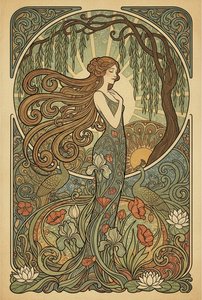
The Flowing Line & Flourishing Form: Exploring Art Nouveau's Aesthetic Legacy
Explore the captivating world of Art Nouveau! Discover its origins, key artists like Horta & Mucha, regional styles, innovative techniques, and lasting influence on architecture & design. A comprehensive guide for art enthusiasts.
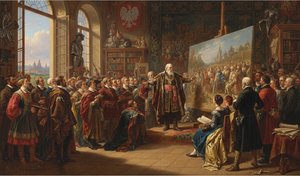
Jan Matejko: Historical Narrative & National Identity in 19th-Century Polish Painting
Explore the powerful historical paintings of Jan Matejko, Poland's national artist. Discover his iconic works & learn how he shaped Polish identity in the 19th century. High-quality reproductions available.
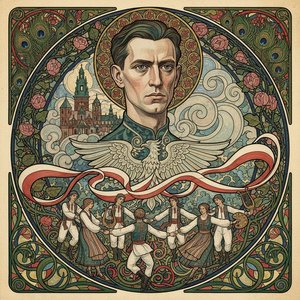
Stanisław Wyspiański: Symbolism, National Identity & the Polish Secession
Explore the life & work of Stanisław Wyspiański, a pivotal figure in Polish Symbolism and the Young Poland movement. Discover his iconic paintings, dramas, and stained glass designs reflecting national identity & artistic innovation.
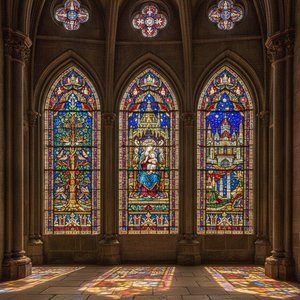
Luminous Masterpieces: The Captivating Beauty and Timeless Elegance of Stained Glass Artworks
Embark on a visual journey through the luminous world of stained glass art. Discover the exquisite craftsmanship, historical significance, and captivating beauty of masterworks from Art Nouveau to the Gothic era, curated for the discerning fine art enthusiast.
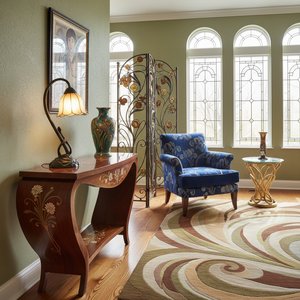
Art Nouveau'nun Zarafeti: Evinizi Tanımlayan 10 Eser ve Sanat Rönesansı
Art Nouveau'nun büyüleyici dünyasına yolculuk! Gustav Klimt, Mucha gibi ustaların 10 başyapıtıyla evinizi sanatla dönüştürün. Sanat tarihi, renkler ve dekorasyon için OriginalUniqueArt.com'da keşfedin!
