Gerçek Boyutta Önizle
 Paylaş
 Paylaş
 Detayları Gör
 Rehber

 İndir
İndir
 Benzer ürünler
 X-Işını
 Slayt Gösterisi
 Soru & Cevap
 İstatistikler
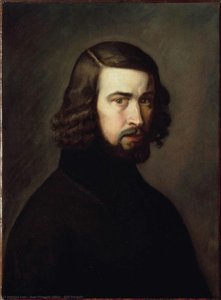
The Sower

- 82.0 x 101.0 cm


 Tümünü Gör
Giclée / Sanat Baskısı
Hızlı üretim ve esnek bitiş seçenekleriyle müze kalitesinde giclée veya kanvas baskı. ( El Yapımı Tablo Satın Al Dijital Görsele Geç)




P118B ₺10

P118H ₺10

P118W ₺10

P438Z ₺10

P508JH ₺12

P508YH ₺12

P805H ₺10

P805Z ₺10

P919BZ ₺10

P919G ₺10

P919XJ ₺10

P959ZH ₺10

P968JZ ₺12

W106C ₺8

W218G ₺10

W218JH ₺8

W218Y ₺10

W307PJ ₺10

W316G ₺10

W316PJ ₺8

W316Y ₺10

W398PJ ₺8

W4111J ₺10

W500HY ₺15

W500JH ₺15

W692G ₺12

W849H ₺8

W940BG ₺15

W953PJ ₺8




Eserin orijinal oranlarıyla uyumlu, önceden belirlenmiş boyutlarımız arasından seçim yapın.

Çerçevenize veya duvarınıza uygun olması için ihtiyacınız olan genişlik ve yüksekliği yazın. Bir baskı yalnızca kesilebilir, görselden daha büyük hale getirilemez; bu nedenle farklı bir formdaki boyut seçimi, görselin bir kısmının kaybına neden olur. Herhangi bir baskı yapmadan önce onaylamanız için size bir dijital taslak gönderiyoruz. Bu sayfada gösterilen resim gerçek kesimi göstermez — bunu yalnızca taslak gösterir.
Dünya Çapında Teslimat (); standart 4/5 hafta yerine 2 haftada. (6 Kasım)

Dünya Çapında Ücretsiz Ekspres Kargo

Yüksek Kaliteli Keten Kanvas

Tam Nakliye Sigortası

Gümrük Vergisi İadesi Garantisi

Gerçek Renk Uyumu Garantisi

100 Günlük İade Politikası (Sadece Kusurlu Ürünler İçin)

%100 Para İade Garantisi

Toplu Alım İndirimi
 Cam seçeneği yalnızca 110 cm altındaki boyutlar için mevcuttur.

The Sower
Giclée / Sanat Baskısı
Reproduksiyon Boyutu
-


Toplam Tutar
₺ 3992
A Portrait of Rural Dignity
In the quiet grandeur of the mid-19th century French countryside, Jean-François Millet’s 1850 masterpiece, The Sower, emerges not merely as a landscape, but as a profound meditation on the human condition. The painting captures a moment of monumental significance within the mundane act of agricultural labor. At its heart is a solitary figure, a man whose very posture radiates a sense of purpose and unyielding perseverance. As he moves across the field with arms outstretched, scattering seeds into the furrowed earth, he becomes an icon of Realism. This is not a romanticized, idealized view of peasantry, but a gritty, honest tribute to the physical toil that sustains life. The composition, structured with a powerful pyramidal focus, draws the viewer’s gaze upward toward the central figure, ensuring that his struggle and his strength remain the undeniable focal point of the narrative.
The emotional weight of the piece lies in its ability to evoke a sense of timelessness. There is a rhythmic, almost liturgical quality to the sower's movement, suggesting a cycle of life that has remained unchanged for generations. For the collector or the interior designer, this artwork offers more than just visual beauty; it provides an anchor of stability and groundedness. The presence of the secondary figures—the wife and child—and the steadying presence of the animal in the background add layers of domestic tranquility and communal responsibility, making the scene feel like a complete, breathing ecosystem of faith and survival.
The Alchemy of Earth and Light
Millet’s technical mastery is found in his rejection of academic polish in favor of a tactile, visceral texture. Utilizing thick impasto brushstrokes, the artist captures the very physicality of the soil. The palette is deeply rooted in the earth itself, dominated by heavy pigments of ochre, umber, and sienna. These tones do not merely represent the field; they seem to emerge from it, creating a sensory experience where the viewer can almost feel the grit of the dirt and the weight of the damp air. This technique allows the light to play across the surface of the canvas in a way that sculpts the contours of the farmer's body, lending him a sculptural, heroic quality.
As a cornerstone of the Barbizon School, Millet utilized light and shadow to create a palpable atmosphere. The interplay of light is not used for mere decoration but serves to highlight the tension between the shadows of the furrowed earth and the bright promise of the seeds being cast. This mastery of chiaroscuro brings a dramatic depth to the work, making it an exquisite centerpiece for any space that seeks to balance atmospheric mood with structural strength. To possess a reproduction of such a piece is to bring the raw, unadorned beauty of the natural world into a contemporary setting.
A Legacy of Symbolism and Spirit
Beyond its surface realism, The Sower is rich with layers of spiritual and social symbolism. Many art historians interpret the sower as a Christ-like figure, an agent of divine providence scattering the seeds of life and regeneration across a barren world. This layer of meaning transforms a simple agricultural task into a sacred ritual of hope and rebirth. The act of sowing becomes a metaphor for faith—the belief that what is planted in darkness and toil will eventually rise in the light of harvest. This profound connection between humanity, nature, and the divine is what allows the painting to resonate so powerfully across different eras and cultures.
For those looking to curate a collection or design an impactful interior, The Sower offers a unique opportunity to introduce themes of resilience and continuity. It is a piece that commands respect through its quiet intensity. Whether placed in a sunlit gallery or a sophisticated study, the painting acts as a window into a world where labor is dignified, and every small action contributes to the grander cycle of existence. It remains an enduring testament to the beauty found in the most fundamental aspects of our shared human journey.
Soru ve Cevaplar
Jean-François Millet imzalı "The Sower" hangi oda için öneriliyor?
Jean-François Millet imzalı "The Sower" eseri için Living Room önerilmektedir. Bu öneri; eserin konusu, renkleri ve hissettirdiği duyguya dayanmaktadır.
"The Sower" hangi sanat akımına aittir?
"The Sower", Contemporary Realism akımına ait bir eserdir. Bu akım, eserin dahil olduğu sanatsal geleneği ifade eder.
Jean-François Millet imzalı "The Sower" ne düzeyde bir kontrast sunuyor?
Jean-François Millet imzalı "The Sower" eserinin kontrast seviyesi Statement'dır.
Sanatçı Özgeçmişi
Toprağın Kökleriyle Yaşam: Jean-François Millet’nin Dünyası
Jean-François Millet, 19. yüzyıl Fransa'sının yükselen Realizm akımıyla özdeşleşmiş bir isimdir; kırsal yaşamın onuru ve işçi sınıfının çilesini tuvaline yansıtan ressamdır. Onun hayatı, sanatçı olmaya değil, daha çok yaşayacağı dünyanın içine doğmuş olmasıyla başlar. 4 Ekim 1814’te Normandiya'nın küçük bir köyü olan Gruchy'de dünyaya geldiğinde, ailesi çiftçiydi ve bu da onun toprakla ve çalışan insanlarla derin bir bağ kurmasına zemin hazırladı. Çocukluğu, biçimini, hasadını, saman eğirmeyi içeren tarım işlerinin ritmiyle şekillendi; bunlar daha sonra resimlerinde sıkça karşımıza çıkacak motifler olacaktı. Bu yakınlık sadece gözlemden ibaret değildi; toprağın zorluğunu ve dayanıklılığını iliklerine kadar hisseden bir deneyimdi.Akademik Hayallerden Kırsal Vahye Doğru
Millet’in sanatsal yolculuğu, önce Cherbourg'da portre ressamı Bon Du Mouchel'in yanında, ardından Baron Gros'un öğrencisi olan Théophile Langlois de Chèvreville ile eğitim alarak başladı. 1837'de Paris'e taşınarak prestijli École des Beaux-Arts’a kaydoldu ve Paul Delaroche'un derslerini izledi. Ancak, Salon sisteminin akademik beklentileri onu boğuyordu. İlk başarıları başarısızlıklarla gölgeleniyor ve Millet sanatsal hayal kırıklığı yaşıyordu. 1840'lı yıllarda eşi Pauline-Virginie Ono’nun kaybı ve kırsal yaşamın romantikleştirilmiş tasvirlerine yönelik artan bir hoşnutsuzluk, hayatında önemli dönüm noktaları oldu. İdealize edilmiş pastoral sahneleri reddederek, kırsal varoluşu acımasız dürüstlükle betimlemeye başladı. Bu değişim, Constant Troyon, Narcisse Diaz, Charles Jacque ve Théodore Rousseau gibi Barbizon ekolünün çekirdeğini oluşturan sanatçılarla olan arkadaşlığıyla daha da pekişti. Bu ressamlar, doğadan doğrudan çalışmayı (plein air) benimseyerek akademik yapaylıktan uzaklaşmışlardı. 1849'da Millet’in Barbizon'a taşınması, Paris konvansiyonlarıyla keskin bir kopuşu ve sanatının derin köklerini kucaklamasını simgeledi.Emeklerin Şiirsel Yansımaları: Temalar ve Teknikler
Millet’nin çalışmaları, işçi sınıfına, özellikle de çiftçi ailelere duyduğu derin empatiyle karakterizedir. Onların emeğini sadece betimlemiyor; onu daha önce sanatta görülmemiş bir onur ve ruhani anlam düzeyine yükseltiyordu. Resimleri, romantikleştirilmiş idealizasyonlar değil, zorlukları, dayanıklılığı ve sessiz bağlılığı dürüstçe yansıtan tasvirlerdir. Belki de en ikonik eserlerinden biri olan The Gleaners (1857), bu yaklaşımı mükemmel bir şekilde örneklendirir. Hasattan sonra geriye kalan tahılları toplayan üç kadın, romantikleştirilmiş figürler değil; yorgunluktan kamburlaşmış işçilerdir, ancak saygı uyandıran sessiz bir onura sahiptirler. The Angelus (1850-1861), kırsal bağlılığın ve sakin bir dua anının sembolü olarak, sıradan bir eylemi kutsala dönüştürür. The Sower (1850) ise tarımsal emeğin döngüselliğini ve insanlığın toprakla olan bağını temsil eden ikonik bir imgedir. Teknik açıdan Millet, ışık ve gölge kullanımındaki ustalığıyla tanınan Hollandalı Üstatlardan ve figürlerinin anıtsallığını gösteren klasik heykellerden ilham almıştır. Sınırlı bir palet kullanarak, kırsal alanların renklerini yansıtan toprak tonlarına odaklanmış ve derinlik hissi yaratmak için boya katmanlarını inşa etmiştir.Süregelen Miras: Millet’nin Etkisi ve Tarihsel Önemi
Jean-François Millet, 20 Ocak 1875'te Barbizon'da hayatını kaybettiğinde, modern sanatın seyrini derinden etkileyecek bir eserler yığını bırakarak geride kaldı. Realizmi sanatta baskın bir güç olarak kurmada önemli bir rol oynamış, akademik sanatın geleneklerini zorlamış ve Empresyonizm ve Sosyal Realizm gibi sonraki akımların önünü açmıştır. Sıradan yaşamı ve sosyal konulara odaklanması, dünyayı dürüstlükle ve otantiklikle betimlemeye çalışan sanatçıları etkilemiştir. Onun etkisi resmin ötesine geçerek; kırsal erdemlerin ve işçi sınıfının dayanışma sembolü haline gelmiş, yazarları, şairleri ve siyasi düşünürleri ilham vermiştir. Correa Benito Rebolledo gibi sanatçılar, Millet’nin örneğinden doğrudan etkilenerek kırsal yaşamı ve sosyal adaleti konu alan temaları araştırmaya devam etmişlerdir. Bugün, Millet'nin resimleri zamansız güzellikleriyle, duygusal derinlikleriyle ve insan onuruna dair süregelen mesajıyla izleyicileri büyülemeye devam ediyor. Çalışmaları, zorlukların üstesinden gelinebildiği zaman bile basit yaşamlar içinde zarafet, dayanıklılık ve derin ruhani anlam bulunabileceğine dair güçlü bir hatırlatmadır.Başlıca Eserler
- The Gleaners (1857): Kadınların hasattan sonra kalan tahılları topladığını tasvir eden dokunaklı bir eser.
- The Angelus (1850-1861): Kırsal bağlılığın sembolü ve sessiz bir dua anı.
- The Sower (1850): Tarımsal emeğin döngüsünü temsil eden ikonik bir görüntü.
- Man with a Hoe: Fiziksel yorgunluğun ve insan dayanıklılığının güçlü bir temsili.
- Harvesters Resting: Yükümlü işlerin arasında bir dinlenme anını yakalayan bir eser.
- Woman Baking Bread: Onurlu bir şekilde betimlenen ev işleri.

Jean-François Millet
1814 - 1875 , Fransa
Kısa Bilgiler
- Artistic Movement Or Style: Realizm, Barbizon Okulu
- Artists Or Movements Influenced By This Artist:
- İmpresyonizm
- Sosyal Realizm
- Artists Who Influenced This Artist:
- Hollandalı Büyük Usta
- Paul Delaroche
- Date Of Birth: 4 Ekim 1814
- Date Of Death: 20 Ocak 1875
- Full Name: Jean-François Millet
- Nationality: Fransız
- Notable Artworks:
- The Gleaners
- The Angelus
- The Sower
- Man with a Hoe
- Place Of Birth: Gruchy, Fransa
Benzer Yazılar

Jean-François Millet: Realism, Rural Life & the Poetic Depiction of Labor
Explore the life & work of Jean-François Millet, a founder of Realism. Discover his poignant depictions of rural France, iconic paintings like 'The Angelus,' and lasting influence on art history. Learn more at OriginalUniqueArt.
The Barbizon School: Pioneering Realism & the Pastoral Vision in 19th-Century French Painting
Explore the Barbizon School's pivotal role in 19th-century French painting. Discover how these artists revolutionized landscape art with their commitment to Realism and a profound connection to nature. Learn about key figures like Rousseau, Millet & Corot.

Romantic Realism's Finest: 10 Masterpieces for Your Home | OriginalUniqueArt
Explore 10 defining masterpieces of Romantic Realism! Discover Courbet, Millet & Daumier's powerful paintings—capturing emotion and social realities. Find museum-quality reproductions for your home at OriginalUniqueArt.com.
The Barbizon School: Discovering the Masters of Naturalistic Landscape Painting and the Birth of Realism
Explore the revolutionary Barbizon School and its masters, from Corot to Rousseau. Discover how these pioneers of plein air painting redefined landscape art through naturalism. Find museum-quality hand-painted reproductions and expert art insights at OriginalUniqueArt.com.
The Barbizon School: The Revolution of Naturalism and the Birth of Plein Air Landscape Painting
Explore the profound impact of the Barbizon School on landscape painting. Discover how masters like Rousseau and Corot revolutionized art through plein air naturalism, moving from academic idealism to the authentic beauty of the French countryside.