Önizle
 Gönder
 Paylaş
 Detaylar
 Rehber

 Dosyayı İndir
 Benzerleri
 X-Işını
 Slayt Gösterisi
 İstatistikler
The Third-class Carriage
 Oil On Canvas
- WallArt
- Social Realism
 1860
1860- 19th Century
 65.0 x 90.0 cm
 Metropolitan Sanat Müzesi
 Devamını Oku
Giclée / Sanat Baskısı
Hızlı üretim ve esnek bitiş seçenekleriyle müze kalitesinde giclée veya kanvas baskı. ( El Yapımı Tablo Satın Al Dijital Görsel Satışına Geç)




P118B ₺10

P118H ₺10

P118W ₺10

P438Z ₺10

P508JH ₺12

P508YH ₺12

P805H ₺10

P805Z ₺10

P919BZ ₺10

P919G ₺10

P919XJ ₺10

P959ZH ₺10

P968JZ ₺12

W106C ₺8

W218G ₺10

W218JH ₺8

W218Y ₺10

W307PJ ₺10

W316G ₺10

W316PJ ₺8

W316Y ₺10

W398PJ ₺8

W4111J ₺10

W500HY ₺15

W500JH ₺15

W692G ₺12

W849H ₺8

W940BG ₺15

W953PJ ₺8




Eserin orijinal oranlarıyla uyumlu, önceden belirlenmiş boyutlarımız arasından seçim yapın.

Çerçevenize veya duvarınıza uygun olması için ihtiyacınız olan genişlik ve yüksekliği yazın. Bir baskı yalnızca kesilebilir, görselden daha büyük hale getirilemez; bu nedenle farklı bir formdaki boyut seçimi, görselin bir kısmının kaybına neden olur. Herhangi bir baskı yapmadan önce onaylamanız için size bir dijital taslak gönderiyoruz. Bu sayfada gösterilen resim gerçek kesimi göstermez — bunu yalnızca taslak gösterir.
Dünya Çapında Teslimat (); standart 4/5 hafta yerine 2 haftada. (21 Ekim)

Dünya Çapında Ücretsiz Ekspres Kargo

Yüksek Kaliteli Keten Tuval

Tam Nakliye Sigortası

Gümrük Vergisi İadesi Garantisi

Gerçek Renk Uyumu Garantisi

100 Günlük İade Koşulları (Sadece Üretim Hatalı Ürünler İçin)

%100 Para İade Garantisi

Toplu Alım Avantajı
 Cam seçeneği yalnızca 110 cm altındaki boyutlar için mevcuttur.

The Third-class Carriage
Giclée / Sanat Baskısı
Baskı Boyutu
-


Toplam Fiyat
₺ 3907
A Window into the Soul of the Working Class
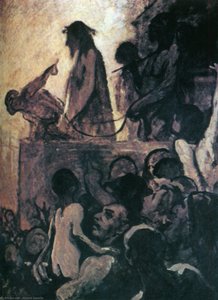
In the crowded, dimly lit confines of a mid-19th-century railway carriage, Honoré Daumier captures more than just a moment in transit; he captures the very essence of human endurance. The Third-class Carriage serves as a profound window into the burgeoning urban reality of France during the Second Empire. As the industrial revolution reshaped the landscape of Europe, Daumier turned his gaze away from the gilded salons of the aristocracy and toward the weary faces of the common people. The painting invites us to step into a space defined by proximity and shared struggle, where the boundaries between strangers dissolve in the cramped, rhythmic motion of the train.
The composition is a masterclass in realism, utilizing a tight, almost claustrophobic perspective that forces the viewer to sit alongside the passengers. There is no escape from the density of the scene; we are pressed against the heavy textures of worn clothing and the weathered surfaces of the carriage walls. Daumier’s ability to evoke the atmosphere of a moving vessel is palpable, as if one can almost feel the vibration of the tracks beneath the wooden benches. This sense of enclosure does not merely depict a setting; it symbolizes the social limitations and the heavy, inescapable weight of class distinctions that defined the era.
The Artistry of Light and Shadow
Technically, Daumier employs a palette dominated by somber earth tones—deep browns, muted ochres, and shadowy blues—which lends the work an incredible sense of gravity and permanence. His use of chiaroscuro is particularly striking; light does not flood this carriage but rather seeps in, catching the edge of a forehead, the curve of a shoulder, or the texture of a bundle of belongings. This selective illumination directs our eyes through the crowd, highlighting the individual stories hidden within the collective mass. The brushwork, while grounded in realism, possesses an expressive, almost sculptural quality that gives the figures a monumental presence despite their humble status.
For the discerning collector or interior designer, this piece offers a sophisticated emotional depth that transcends mere decoration. It is a work of profound empathy. Each figure—the elderly woman, the young mother, the stoic laborer—carries an expression of quiet resignation and quiet strength. There is no melodrama here, only the dignified reality of daily life. Incorporating a high-quality reproduction of this masterpiece into a space brings with it a sense of historical weight and intellectual curiosity, making it an ideal centerpiece for a room designed to inspire reflection and conversation.
A Timeless Legacy of Social Commentary
Beyond its visual beauty, The Third-class Carriage remains a powerful piece of social commentary. Daumier, a master of satire and a keen observer of political absurdity, uses this scene to honor the fortitude of the working class. He finds beauty in the unvarnished truth, transforming a mundane journey into an epic of human resilience. The painting does not look away from poverty or fatigue; instead, it elevates these experiences through art, granting the subjects a level of importance usually reserved for kings and deities.
To own a reproduction of this work is to possess a fragment of history—a piece that speaks to the enduring human spirit amidst the tides of change. Whether placed in a contemporary gallery setting or a classic study, Daumier’s vision continues to resonate, reminding us that even in the most crowded and difficult of journeys, there is a profound, quiet dignity to be found.
Soru ve Cevaplar
"The Third-class Carriage", Honoré Daumier’in sıkça işlediği konular arasında nerede duruyor?
Honoré Daumier tarafından kaydedilen temalar arasında yer alan classical draftsmanship, social critique, 19th-century french society woes, satirical commentary, political dissent, daumier’s biting realism”, “social injustice” bağlamında, "The Third-class Carriage" eseri 19th century france, carriage travel, social class, daumiers satire, urban life, daily struggle, realist painting üzerine kendi özgün odağını sunuyor.
Honoré Daumier imzalı "The Third-class Carriage" benzeri sanat eserlerini nerede bulabilirim?
Honoré Daumier imzalı "The Third-class Carriage" eserinin Benzerleri sayfası, ilgili diğer sanat eserlerini sunar.
"The Third-class Carriage" eserini hangi palet ve baskın renk tanımlıyor?
Honoré Daumier imzalı "The Third-class Carriage" eserinin renk kimliği: Phthalo Green (#191415) renginin hakim olduğu Earthy bir palet.
Sanatçı Biyografisi
Onur Daumier’nin Hayatı ve Sanatsal Yolculuğu: Hicivle İşlenmiş Bir Yaşam
1808 yılında Marsilya'da doğan Honoré-Victorin Daumier, 19. yüzyıl Fransa'sının çalkantılı akımlarıyla derinden iç içe bir yaşam sürmüştür. Babasının şiirsel tutkuları ve ardından 1814’te Paris’e taşınmasıyla erken çocukluğu, sanatsal enerjiyle dolu bir şehirde geçmiştir. Başlangıçta hukuk kariyerine yönlendirilse de genç Daumier'nin eğilimi kaçınılmaz olarak sanata doğru kaymıştır. Alexandre Lenoir’in atölyesinde çıraklık yapmış, klasik etkilerin yanı sıra Rubens’in dramatik ışık-gölge oyunlarına olan takdirini geliştirmiş ve Académie Suisse’de becerilerini daha da keskinleştirmiştir. Bu temel eğitim, gerçekçilik ve dışavurumcu çizim yeteneğinin güçlü bir karışımını şekillendirecek belirleyici bir rol oynamıştır. Ancak Daumier'ı tanımlayan yalnızca sanatsal teknik değildi; çevresindeki sosyal adaletsizliklere ve politik absürtlüklerine karşı derin bir duyarlılıktı.Keskin Kalem: Karikatür ve Toplumsal Eleştiri
Daumier’nin kariyeri, Fransız tarihinin seyrini değiştiren 1830 Devrimi'nden sonra gerçek anlamda ivme kazanmıştır. Bu olay, hem Fransız tarihinde bir dönüm noktası olmuş hem de onun gelişen hiciv yeteneği için verimli bir zemin hazırlamıştır. Kısa sürede usta bir litograf olarak tanınmış, başlangıçta çeşitli yayınlara anonim olarak katkıda bulunmuş, ardından Charles Philipon tarafından kurulan bağımsız çizgi roman dergisi *Le Charivari* ile ün kazanmıştır. Daumier’nin dehası tam da burada filizlenmiştir. Karikatürleri sadece eğlenceli tasvirler değildi; burjuvaziye, hukuk sistemine ve siyasi çevreye yönelik sert eleştirilerdi. Kral Louis-Philippe'i korkusuzca hicvetmiş ve özellikle keskin bir karikatürü nedeniyle 1832’de altı aylık hapis cezası almıştır. Bu deneyim onu susturmak yerine, sanatı aracılığıyla ikiyüzlülüğü açığa çıkarma ve otoriteye meydan okuma konusundaki kararlılığını daha da pekiştirmiştir. Litografileri birer görsel manifesto haline gelmiş, zamanının toplumsal sorunlarına yönelik eleştirel yorumları yansıtmıştır. Bu dönemdeki üretkenliği hayret vericidir; hem popüler eğlence hem de güçlü politik beyanlar olarak hizmet veren binlerce litografi yapmıştır.Karikatürün Ötesinde: Resim ve Heykel Vizyonları
Daumier genellikle litografisiyle anılsa da, onu yalnızca karikatürist olarak tanımlamak büyük bir eksiklik olurdu. Hayatının ilerleyen dönemlerinde ressam ve heykeltıraş olarak da kendini adamış, ancak bu eserleri için tanınması daha sonra gelmiştir. Paris yaşamının sıradan sahnelerini tasvir eden tabloları—üçüncü sınıf vagonlar, çamaşırcılar, avukatlar—derin bir gerçekçilik ve empati duygusuyla doludur. İdealize edilmiş tasvirler değil, aksine zorlukların ve mücadelelerin acımasızca yansıtılmasıdır. Gevşek fırça darbeleri ve dramatik ışık kullanımıyla duygu ve atmosferi ustalıkla aktarmış, İzlenimcilerin daha sonra benimsediği bazı teknikleri önceden sezmiştir. Hayatının büyük bir bölümünde pişmemiş halde kalan kil heykelleri ise insan formunu dürüstlükle yakalama ve fiziksel hareket yoluyla psikolojik karmaşıklığı ifade etme konusundaki olağanüstü yeteneğini ortaya koymaktadır. Ölümünden sonra keşfedilen bu heykeller, modelleme konusunda dikkate değer bir yetenek ve duygusal derinliği yansıtma becerisini göstermektedir.Kalıcı Miras: Etkisi ve Tarihi Önemi
Honoré Daumier’nin sanat tarihine etkisi tartışılmazdır. Romantizm ile Gerçekçilik arasındaki boşluğu kapatmış, dünyayı olduğu gibi—kusurlarıyla birlikte—tasvir etmeye çalışan gelecek nesil sanatçılar için yolu açmıştır. Acımasız toplumsal eleştirisi Gustave Courbet ve Édouard Manet gibi sanatçıları etkilemiş, yenilikçi litografi kullanımı ise baskı sanatında devrim yaratmıştır. Eserleri bugün de yankılanmaya devam ediyor; sanata otoriteye meydan okuma, adaletsizliği açığa çıkarma ve insan durumuna tanıklık etme gücünü hatırlatıyor. Paris’teki Musée d'Orsay, tablolarının ve heykellerinin önemli bir koleksiyonunu barındırarak ziyaretçilere canlı bir şekilde tasvir ettiği dünyaya bir bakış sunuyor. Litografileri ise OriginalUniqueArt gibi koleksiyonlar aracılığıyla geniş kitlelere ulaşılabilir hale getirilerek hicivsel dehasının düşünce uyandırmaya ve diyaloğu teşvik etmeye devam etmesini sağlıyor. Daumier sadece bir sanatçı değil, aynı zamanda zamanının kronikeriydi—sesi olmayanlara ses veren ve gücü hesaba çeken görsel bir şairdi. Mirası, sanatın toplumsal değişim için kalıcı gücünün bir kanıtı olarak duruyor.
Honoré Daumier
1808 - 1879 , Fransa
Kısa Bilgiler
- Bu Sanatı Etkileyenler:
- Alexandre Lenoir
- Jacques-Louis David
- Doğum Tarihi: 26 Şubat 1808
- Doğum Yeri: Marseille, Fransa
- Etkilediği Sanatçılar:
- Empresyonizm
- Modern Sanat
- Sanatsal Akım: Realizm, Satir
- Tam Adı: Honoré-Victorin Daumier
- Uyruğu: Fransız
- Ölüm Tarihi: 10 Şubat 1879
- Önemli Eserleri:
- Rue Transnonain
- Les gens de justice
- Ecce Homo
İlgili Yazılar

Romantic Realism's Finest: 10 Masterpieces for Your Home | OriginalUniqueArt
Explore 10 defining masterpieces of Romantic Realism! Discover Courbet, Millet & Daumier's powerful paintings—capturing emotion and social realities. Find museum-quality reproductions for your home at OriginalUniqueArt.com.
Gerçekçiliğin İzleri: Evinizi Sanatla Taşıyan 10 Başyapıt
Gerçekçiliğin zirvesi! Courbet, Millet ve daha fazlasıyla 10 başyapıtı keşfedin. Sanat tarihinin en etkileyici eserleri ile evinizi dönüştürün. OriginalUniqueArt.com'da online tablo koleksiyonunu inceleyin!
19th Century Masterpieces: 10 Paintings That Defined an Era | OriginalUniqueArt
Journey through 19th century art with OriginalUniqueArt! Explore 10 iconic paintings – from Monet & Renoir to Courbet – and discover the stories behind Romanticism, Realism & Impressionism. Find museum-quality reproductions for your home decor. Explore the full collection online!
The Poetic Truth of Observation: Exploring 19th-Century Realism in Painting
Explore the captivating world of 19th-century Realism! Discover key artists like Courbet & Millet, masterpieces, and the powerful social commentary behind this influential art movement. Expert insights at OriginalUniqueArt.
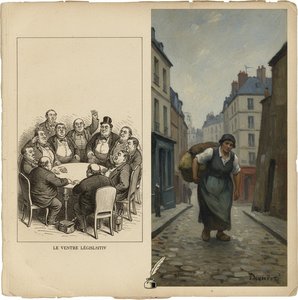
Honoré Daumier: Social Commentary & Artistic Innovation in 19th-Century France
Explore the life & work of Honoré Daumier, a master of 19th-century French realism and satire. Discover his powerful lithographs, paintings, and sculptures critiquing society – and his lasting influence on modern art.