Gerçek Boyutta Önizle
 Paylaş
 Paylaş
 Detayları Gör
 Rehber

 İndir
İndir
 Benzer ürünler
 X-Işını
 Slayt Gösterisi
 Soru & Cevap
 İstatistikler
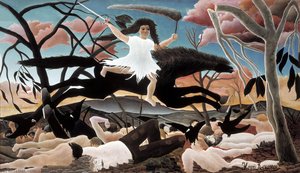
Bir Karnaval Akşamı

- 117.0 x 90.0 cm


 Tümünü Gör
Giclée / Sanat Baskısı
Hızlı üretim ve esnek bitiş seçenekleriyle müze kalitesinde giclée veya kanvas baskı. ( El Yapımı Tablo Satın Al Dijital Görsele Geç)




P118B ₺10

P118H ₺10

P118W ₺10

P438Z ₺10

P508JH ₺12

P508YH ₺12

P805H ₺10

P805Z ₺10

P919BZ ₺10

P919G ₺10

P919XJ ₺10

P959ZH ₺10

P968JZ ₺12

W106C ₺8

W218G ₺10

W218JH ₺8

W218Y ₺10

W307PJ ₺10

W316G ₺10

W316PJ ₺8

W316Y ₺10

W398PJ ₺8

W4111J ₺10

W500HY ₺15

W500JH ₺15

W692G ₺12

W849H ₺8

W940BG ₺15

W953PJ ₺8




Eserin orijinal oranlarıyla uyumlu, önceden belirlenmiş boyutlarımız arasından seçim yapın.

Çerçevenize veya duvarınıza uygun olması için ihtiyacınız olan genişlik ve yüksekliği yazın. Bir baskı yalnızca kesilebilir, görselden daha büyük hale getirilemez; bu nedenle farklı bir formdaki boyut seçimi, görselin bir kısmının kaybına neden olur. Herhangi bir baskı yapmadan önce onaylamanız için size bir dijital taslak gönderiyoruz. Bu sayfada gösterilen resim gerçek kesimi göstermez — bunu yalnızca taslak gösterir.
Dünya Çapında Teslimat (); standart 4/5 hafta yerine 2 haftada. (8 Kasım)

Dünya Çapında Ücretsiz Ekspres Kargo

Yüksek Kaliteli Keten Kanvas

Tam Nakliye Sigortası

Gümrük Vergisi İadesi Garantisi

Gerçek Renk Uyumu Garantisi

100 Günlük İade Politikası (Sadece Kusurlu Ürünler İçin)

%100 Para İade Garantisi

Toplu Alım İndirimi
 Cam seçeneği yalnızca 110 cm altındaki boyutlar için mevcuttur.

Bir Karnaval Akşamı
Giclée / Sanat Baskısı
Reproduksiyon Boyutu
-


Toplam Tutar
₺ 3996
Henri Rousseau: A Vision of Untouched Paradise
Henri Emile Rousseau (1875 – 1933) stands apart from the Impressionists and Post-Impressionists who dominated Parisian art circles of his time—a defiant artist who forged a singular path, characterized by an uncompromising embrace of Naïve Art. His canvases depict fantastical landscapes populated by animals and humans rendered with childlike simplicity and vibrant color palettes, transporting viewers into dreamlike realms brimming with symbolic resonance. Rousseau’s upbringing in Lyon instilled in him a deep appreciation for the natural world and folklore—influences that would profoundly shape his artistic vision. Despite facing considerable skepticism from critics of his era—who dismissed his style as amateurish—Rousseau persevered, establishing himself as one of France's most distinctive painters and securing a place among the pioneers of Modern Art.Early Life & Artistic Beginnings: The Seeds of Imagination
Born in Cairo to Léon Rousseau, an engineer who participated in the construction of the Suez Canal, Henri Emile Rousseau’s family relocated to Paris shortly after the Anglo-Egyptian War. His formal artistic training was minimal—he eschewed the rigorous academic curriculum favored by the Académie des Beaux-Arts—a deliberate choice that fueled his creative independence. Instead of meticulously studying classical anatomy or mastering perspective techniques, Rousseau turned instinctively toward observation and experience, immersing himself in the natural world around him. This formative period nurtured a fascination with primitive cultures and mythology—themes that would recur throughout his oeuvre.A Singular Style: Naïve Art & Rousseau’s Unique Vision
Rousseau's artistic style defies categorization, aligning most closely with Naïve or Primitivist art—a movement championed by artists like Paul Cézanne and Maurice Sterne who sought inspiration in the expressive power of untutored vision. Rejecting academic conventions, Rousseau developed a highly personal visual language characterized by meticulous detail, flattened perspective, and an almost childlike simplicity. This deliberate departure from convention wasn’t a lack of skill—but rather a conscious decision—a unique way of seeing and representing the world. The precision with which Rousseau renders foliage and fabric is striking, creating a captivating tension against the painting's surreal elements. Consider “Carnival Evening,” completed in 1886 – a masterpiece that exemplifies this distinctive style.Decoding the Symbolic Landscape: Layers of Meaning
“Carnival Evening” immediately captivates with its unsettling beauty—a scene bathed in moonlight, dominated by towering trees and populated by two figures engaged in quiet contemplation. However, beneath this deceptively straightforward depiction lies a rich tapestry of symbolism. The prominent hot air balloon, filled with shadowy figures, serves as a potent emblem of aspiration, escape from earthly constraints, or perhaps detachment from reality itself—a motif echoing throughout Rousseau’s work. Conversely, the dark and imposing forest represents the unknown, the subconscious, and potentially isolation—themes explored extensively in his jungle paintings. The luminous moon casts its gentle glow upon the scene, amplifying the painting's enigmatic atmosphere and inviting contemplation on profound existential questions.Emotional Resonance: A Dreamscape of Mystery & Naive Brilliance
Ultimately, “Carnival Evening” transcends mere visual representation—it evokes a powerful emotional response in the viewer. Rousseau’s masterful use of color—primarily muted blues and browns—creates a somber yet captivating mood—underscored by the painting's flattened perspective and stylized forms. The composition draws attention to the central figures and the floating balloon, establishing a dynamic interplay between observation and imagination. Like many of Rousseau’s paintings, “Carnival Evening” speaks to our primal instincts—to our yearning for connection with nature and our fascination with the mysteries of the human psyche. It remains an enduring testament to the transformative power of untutored vision—a celebration of beauty found in simplicity and imbued with layers of symbolic depth.Soru ve Cevaplar
"Bir Karnaval Akşamı" adlı eserin atmosferi nasıldır?
Henri Emilien Rousseau imzalı "Bir Karnaval Akşamı", ruh hali açısından Mistik ve Büyüleyici olarak tanımlanmaktadır. Bu sınıflandırma, eserin bir mekana uyum sağlamasına yardımcı olabilir.
"Bir Karnaval Akşamı" hangi malzemeden yapılmıştır ve hangi stildedir?
Henri Emilien Rousseau imzalı "Bir Karnaval Akşamı", Tuval Üzerine Yağlı Boya tekniğini Surrealist Dreamscape üslubuyla birleştiriyor. Teknik ve akım, eserin yapılış biçimini ve tarzını tanımlar.
"Bir Karnaval Akşamı" hangi teknikle yapıldı ve boyutları nedir?
Orijinal Henri Emilien Rousseau imzalı "Bir Karnaval Akşamı", 117 x 90 cm ölçülerinde bir Tuval Üzerine Yağlı Boya çalışmasıdır. Teknik ve boyut bilgileri orijinal eseri tanımlamaktadır.
Sanatçı Özgeçmişi
Henri Emile Rousseau (1875 – 1933): The Enchanted Vision of Primitive Beauty
Henri Emile Rousseau, born in Lyon, France, in 1875, defied the conventions of Impressionism and Post-Impressionism to forge a singular artistic path—one characterized by an uncompromising embrace of Naïve Art. His canvases depict fantastical landscapes populated by animals and humans rendered with childlike simplicity and vibrant color palettes, transporting viewers into dreamlike realms brimming with symbolic resonance. Rousseau’s upbringing in a working-class family instilled in him a deep appreciation for the natural world and folklore, influences that would profoundly shape his artistic vision. Despite facing considerable skepticism from critics of his time—who dismissed his style as amateurish—Rousseau persevered, establishing himself as one of France's most distinctive painters and securing a place among the pioneers of Modern Art.- Early Life & Artistic Beginnings: Rousseau’s formal artistic training was minimal; he largely self-taught, honing his skills through sketching outdoors and studying prints. He initially pursued commercial illustration work to support himself, but his passion for painting remained unwavering.
- The Influence of Primitive Art: Rousseau's fascination with African masks and tribal art—particularly those collected by Alexandre Cabanel—served as a catalyst for his stylistic evolution. These artworks captivated him with their bold colors, stylized forms, and rejection of academic realism, inspiring him to abandon traditional techniques in favor of a more direct and expressive approach.
- Key Paintings & Artistic Style: Rousseau’s oeuvre is dominated by monumental landscapes infused with mythological elements and populated by animals imbued with spiritual significance. Notable works include “The Sleeping Venus” (1890), “The Promised Land” (1893), “The Concert” (1897), and “The Shepherdess,” which exemplifies his signature style—characterized by flattened perspectives, luminous colors, and a deliberate blurring of outlines.
- Recognition & Legacy: Despite initial rejection by the Parisian avant-garde, Rousseau gained recognition in 1905 thanks to the patronage of Ambroise Vollard, who championed his work and secured exhibitions at Galerie Bernheim-Jeune. His paintings gradually attracted admirers among artists like Picasso and Matisse, cementing his reputation as a visionary artist whose uncompromising vision anticipated Surrealism.
- Death & Enduring Influence: Rousseau died in Étampes in 1933, leaving behind a legacy of approximately 800 paintings—a remarkable achievement considering his unconventional methods. His distinctive Naïve Art style continues to inspire artists today, demonstrating the enduring power of imagination and the beauty found in unfiltered observation.
Exploring Rousseau’s Palette & Technique
Rousseau's artistic technique was remarkably simple yet profoundly effective. He eschewed meticulous detail, opting instead for bold brushstrokes and vibrant hues—often achieved through layering thin glazes of color onto a toned ground. This method allowed him to capture the essence of his subjects with remarkable immediacy and luminosity, conveying emotion and atmosphere as much as visual representation. His use of complementary colors—such as reds and greens—created striking contrasts that heightened the dramatic impact of his compositions. Furthermore, Rousseau’s deliberate flattening of perspective—a technique borrowed from African art—reinforced the dreamlike quality of his landscapes and contributed to their captivating allure.
Henri Emilien Rousseau
1875 - 1933
Kısa Bilgiler
- Full Name: Henri Émile Rousseau
- Nationality: French
- Date Of Birth: 1875
- Date Of Death: 1933
- Place Of Birth: Nancy, France
- Notable Artworks:
- A Carnival Evening
- War or The Ride of Discord
- Fantasia de mariage
- Artistic Movement Or Style: Naive Art
- Artists Who Influenced This Artist:
- Gustave Moreau
- Pierre Puvis de Chavannes
- Artists Or Movements Influenced By This Artist: ['Symbolism']
Benzer Yazılar

Naive Art Unveiled: The Charming Beauty of Simple Masterpieces
Discover the enchanting world of Naive Art. Explore the profound beauty of self-taught masters like Henri Rousseau through an art-history lens, uncovering how simple forms and vibrant colors create timeless, soulful masterpieces for the discerning collector.
Henri Rousseau: Primitivism, Paradox & Subversion of Academic Tradition
Explore the captivating world of Henri Rousseau, the celebrated Naïve artist who challenged academic traditions with his unique jungle scenes & dreamlike symbolism. Discover his lasting influence on modern art and collecting today.

The Untamed Vision: Exploring Naïve Art & Primitivism's Rejection of Convention
Explore the revolutionary world of Naïve Art & Primitivism! Discover how artists challenged academic traditions with raw emotion & unique styles. Learn about Picasso, Rousseau & more at OriginalUniqueArt.
Fauvism's Boldest Visions: 10 Masterpieces That Revolutionized Modern Art | OriginalUniqueArt
Explore 10 Fauvist masterpieces by Matisse, Derain & Vlaminck that ignited Modern Art! Discover bold colors, expressionist landscapes & the history of this revolutionary movement. Find museum-quality prints at OriginalUniqueArt.com.

Henri Matisse'ın En İyi 25 Eseri: Renklerin Büyülü Dünyası | OriginalUniqueArt
Henri Matisse'ın en ikonik 25 eserini keşfedin! Fauvism akımının öncüsü olan bu modern sanat dehasının renkli dünyasına yolculuk yapın. Sanat baskıları ve ev dekorasyonu için OriginalUniqueArt.com'da ilham alın. Koleksiyonu şimdi keşfedin!