

 Önizle
 Gönder
 Paylaş
 Detaylar
 Rehber

 Dosyayı İndir
 Benzerleri
 X-Işını
 Slayt Gösterisi
 İstatistikler
Head with Broken Pot


 Devamını Oku
Bu sayfada sergilenen eser telif hakkı yasasıyla korunmaktadır; bu da yasal olarak eserin birebir kopyasını oluşturamayacağımız veya satamayacağımız anlamına gelir. Bu koruma, aşağıdakiler gibi uluslararası anlaşmalar kapsamında uygulanmaktadır: Bern Sözleşmesi ve aşağıdakiler de dahil olmak üzere ulusal yasalarca belirlenen ABD Telif Hakkı Kanunu - 17. Başlık.
Bu yöntem, koruma altındaki sanat eserinin kopyalanmasını veya çoğaltılmasını içermediği için telif hakkı düzenlemelerine tam uyum sağlar. Bunun yerine, yaratıcı bir yeniden yorumlamadır; orijinalinden etkilenen ancak onunla aynı olmayan yeni bir tablodur.
Giclée / Sanat Baskısı
Hızlı üretim ve esnek bitiş seçenekleriyle müze kalitesinde giclée veya kanvas baskı. ( El Yapımı Tablo Satın Al Dijital Görsel Satışına Geç)




P118B ₺10

P118H ₺10

P118W ₺10

P438Z ₺10

P508JH ₺12

P508YH ₺12

P805H ₺10

P805Z ₺10

P919BZ ₺10

P919G ₺10

P919XJ ₺10

P959ZH ₺10

P968JZ ₺12

W106C ₺8

W218G ₺10

W218JH ₺8

W218Y ₺10

W307PJ ₺10

W316G ₺10

W316PJ ₺8

W316Y ₺10

W398PJ ₺8

W4111J ₺10

W500HY ₺15

W500JH ₺15

W692G ₺12

W849H ₺8

W940BG ₺15

W953PJ ₺8




Eserin orijinal oranlarıyla uyumlu, önceden belirlenmiş boyutlarımız arasından seçim yapın.

Çerçevenize veya duvarınıza uygun olması için ihtiyacınız olan genişlik ve yüksekliği yazın. Bir baskı yalnızca kesilebilir, görselden daha büyük hale getirilemez; bu nedenle farklı bir formdaki boyut seçimi, görselin bir kısmının kaybına neden olur. Herhangi bir baskı yapmadan önce onaylamanız için size bir dijital taslak gönderiyoruz. Bu sayfada gösterilen resim gerçek kesimi göstermez — bunu yalnızca taslak gösterir.
Dünya Çapında Teslimat (); standart 4/5 hafta yerine 2 haftada. (25 Ekim)

Dünya Çapında Ücretsiz Ekspres Kargo

Yüksek Kaliteli Keten Tuval

Tam Nakliye Sigortası

Gümrük Vergisi İadesi Garantisi

Gerçek Renk Uyumu Garantisi

100 Günlük İade Koşulları (Sadece Üretim Hatalı Ürünler İçin)

%100 Para İade Garantisi

Toplu Alım Avantajı
 Cam seçeneği yalnızca 110 cm altındaki boyutlar için mevcuttur.

Head with Broken Pot
Giclée / Sanat Baskısı
Baskı Boyutu
-


Toplam Fiyat
₺ 3913
A Silent Still Life: Deconstructing Mortality and the Female Form
Georgia O’Keeffe’s “Head with Broken Pot,” painted in 1943, isn’t merely a depiction of an inanimate object; it's a profound meditation on mortality, femininity, and the quiet dignity of decay. The stark simplicity of the composition—a weathered skull resting atop a shattered ceramic pot—immediately commands attention, drawing the viewer into a space where the boundaries between life and death, beauty and ruin, become exquisitely blurred. O’Keeffe, already a master of distilling form to its essential elements, here elevates the commonplace to the realm of symbolic significance, inviting us to contemplate the fragility of existence and the enduring power of the human spirit.

The Desert’s Echoes: New Mexico and O'Keeffe’s Vision
Painted during a period of intense personal reflection and artistic exploration, “Head with Broken Pot” is inextricably linked to O’Keeffe’s relocation to the high desert landscapes of New Mexico in 1949. The muted palette—ochre browns, dusty blues, and stark whites—mirrors the arid beauty of the region, while the rough texture of the skull and pot evokes the weathered surfaces of ancient ruins. This setting profoundly influenced her work, providing a backdrop for her explorations of form, scale, and the relationship between nature and human perception. The New Mexico landscape became a constant source of inspiration, informing her unique visual language and allowing her to capture the essence of the Southwest’s stark beauty.
Deconstructing Symbolism: Skull, Pot, and the Feminine Archetype
The symbolism within “Head with Broken Pot” is layered and open to interpretation. The skull, a universal emblem of mortality, anchors the composition, reminding us of our own inevitable fate. However, O’Keeffe doesn't present it as a morbid image; instead, she imbues it with a sense of quiet strength and resilience. The broken pot, positioned above the skull, adds another layer of complexity. It could represent shattered dreams, lost innocence, or the fragility of beauty—a poignant reminder that even the most enduring things can be irrevocably damaged. Some scholars have suggested the pot alludes to female genitalia, a recurring motif in O’Keeffe's work, further emphasizing the painting’s exploration of feminine power and vulnerability. The deliberate ambiguity invites viewers to project their own interpretations onto the scene.
A Masterclass in Minimalism: Technique and Composition
O’Keeffe’s masterful technique is evident in the painting's precise execution and careful attention to detail. She employed a limited palette of earthy tones, applying thin layers of oil paint to create a textured surface that captures the rough quality of the materials. The composition is remarkably simple—a tight crop focusing solely on the skull and pot—yet it’s incredibly dynamic. The stark contrast between the smooth curves of the skull and the jagged edges of the broken pot creates a visual tension that draws the eye across the canvas. O'Keeffe’s use of scale further enhances this effect, making the skull appear monumental against the backdrop of the desert landscape. The painting is a testament to her ability to convey profound meaning through deceptively simple forms and techniques.
Legacy and Reproduction: Bringing O’Keeffe’s Vision Home
“Head with Broken Pot” remains one of Georgia O'Keeffe’s most iconic works, celebrated for its haunting beauty and enduring symbolism. High-quality reproductions capture the painting’s rich textures and subtle nuances, allowing viewers to experience O’Keeffe’s vision in their own homes. Whether displayed as a statement piece or incorporated into a minimalist interior design scheme, this artwork continues to resonate with audiences today, prompting reflection on life, death, and the enduring power of art.
Soru ve Cevaplar
Georgia O’Keeffe imzalı "Head with Broken Pot" açık tonlu bir sanat eseri mi yoksa koyu tonlu mu?
Georgia O’Keeffe imzalı "Head with Broken Pot", shadow parlaklık ve Soft Shadow düzeyinde bir lüminans ile kaydedilmiştir.
Georgia O’Keeffe imzalı "Head with Broken Pot" eserinin algılanan parlaklığı nedir?
Georgia O’Keeffe imzalı "Head with Broken Pot" eserinin algılanan parlaklığı shadow düzeyindedir. Bu değer, kullanılacağı mekanın ışığıyla uyumlu hale getirilebilir.
Georgia O’Keeffe imzalı "Head with Broken Pot", güçlü kontrastlar mı yoksa yumuşak uyumlar mı kullanıyor?
Georgia O’Keeffe imzalı "Head with Broken Pot" eserinin renk kompozisyonu, Bold bir kontrast ile Strong Color Unity bir uyumu bir araya getiriyor.
Sanatçı Biyografisi
Early Life and Artistic Foundations
Georgia Totto O’Keeffe, a name synonymous with American modernism, emerged from the unassuming landscape of Sun Prairie, Wisconsin, in 1887. Born into a family of Irish and Hungarian descent engaged in dairy farming, young Georgia displayed an artistic inclination early on, deciding by age ten that she would dedicate her life to art. This determination was nurtured through lessons with local watercolorist Sara Mann, followed by formal studies at the School of the Art Institute of Chicago from 1905 to 1906 and later at the University of Virginia. However, it was her encounter with Arthur Wesley Dow’s principles – emphasizing personal expression and a harmonious balance of color and line – that truly ignited her artistic path. Dow's teachings steered O’Keeffe away from strict realism toward a more subjective and emotionally resonant approach to art, an approach that would define her career. These formative years weren’t without their challenges; periods of illness and dissatisfaction led her to temporarily abandon painting, but the creative impulse always drew her back, evolving with each new experience and influence.New York and the Stieglitz Circle
A pivotal moment arrived in 1916 when O’Keeffe’s abstract charcoal drawings were discovered by Alfred Stieglitz, a renowned photographer and art dealer. He exhibited her work without her prior knowledge, sparking a dialogue that would profoundly shape both their lives and the course of American art. Stieglitz recognized an exceptional talent in O’Keeffe, one that resonated with his own modernist sensibilities. He invited her to New York City in 1918, providing not only professional support but also fostering a deep personal connection. Their relationship blossomed into marriage in 1924, creating a dynamic artistic partnership and intellectual exchange. Stieglitz championed O’Keeffe’s work, showcasing it at his gallery “291” and promoting her as a leading figure in the American avant-garde. During this period, she began to develop her signature style – bold, simplified forms and intensely saturated colors – initially expressed through depictions of New York skyscrapers and, most famously, magnified flower paintings. These floral works, often interpreted (though consistently denied by O’Keeffe herself) as veiled representations of female anatomy, challenged conventional notions of beauty and sexuality in art.The Allure of the Southwest
While New York provided a crucial platform for her early success, it was the landscapes of the American Southwest that truly captivated O’Keeffe’s imagination and profoundly influenced her artistic vision. Her first visit to New Mexico in 1929 marked the beginning of a lifelong love affair with the region's stark beauty, vibrant colors, and unique cultural heritage. The vastness of the desert, the dramatic rock formations, and the ancient Pueblo architecture resonated deeply within her, inspiring a new series of paintings that reflected the spirit of the land. Works like *Cow’s Skull: Red, White, and Blue* (1931) and *Summer Days* (1936) are powerful testaments to this influence, transforming seemingly mundane objects into iconic symbols of the American West. She eventually settled permanently in New Mexico in 1949 following Stieglitz’s death, establishing a home and studio in Abiquiu that became integral to her artistic process and identity.Major Achievements & Legacy
Georgia O’Keeffe achieved remarkable success throughout her career, becoming one of the most celebrated artists of her time. Her pioneering use of abstraction revolutionized American painting, paving the way for future generations of innovators. She garnered critical acclaim for her monumental flower paintings, which continue to inspire awe and contemplation. Furthermore, she established herself as a prominent figure in the feminist art movement, challenging societal expectations and asserting her own artistic autonomy. O’Keeffe's enduring legacy lies not only in her artistic masterpieces but also in her unwavering commitment to artistic integrity and her profound connection to the natural world. Her work remains a powerful reminder of the transformative power of art and the beauty of simplicity.Notable Works & Museum Presence
- Red Canna: Exemplifies her early exploration of floral abstraction.
- Cow’s Skull: Red, White, and Blue (1931): A powerful symbol of the American Southwest and a meditation on mortality.
- Summer Days (1936): Captures the essence of the New Mexico landscape with its vibrant colors and simplified forms.
- Jimson Weed/White Flower No. 1: A monumental floral painting that showcases her mastery of scale and composition.
- Georgia O'Keeffe Museum (Santa Fe)
- Museum of Modern Art (New York)
- Art Institute of Chicago
- National Gallery of Art (Washington, D.C.)

Georgia O’Keeffe
1887 - 1986 , Amerika Birleşik Devletleri
Kısa Bilgiler
- Artistic Movement Or Style: Modernizm
- Artists Who Influenced This Artist:
- Arthur Wesley Dow
- Alfred Stieglitz
- Date Of Birth: November 15, 1887
- Date Of Death: March 6, 1986
- Full Name: Georgia Totto O'Keeffe
- Nationality: Amerikalı
- Notable Artworks:
- Kırmızı Çubuk
- Boğa Kafası: Kırmızı Beyaz Mavi
- Place Of Birth: Sun Prairie, USA
İlgili Yazılar

Georgia O'Keeffe: Redefining Modernism Through Symbolism & the American Landscape
Explore the captivating world of Georgia O'Keeffe! Discover her groundbreaking flower paintings, New Mexico landscapes & lasting impact on American Modernism. Expert analysis and insights.
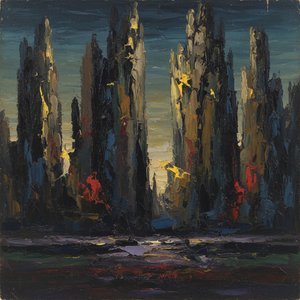
Clyfford Still's Abstract Expressionism: A Study of Color, Form & the Existential Landscape
Explore the profound world of Clyfford Still's Abstract Expressionism with OriginalUniqueArt. Discover his unique style, existential themes & investment potential. Expert analysis for discerning collectors.
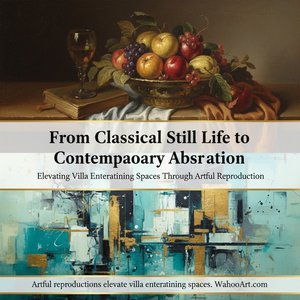
Klasik Natürmorttan Çağdaş Soyutlamaya: Villa Eğlence Alanlarını Sanatsal Üretimlerle Yükseltmek
Villa yaşam alanlarınızı sanatsal üretimlerle dönüştürün! Klasik natürmorttan çağdaş soyutlamaya, uzman sanat danışmanlığı ve kişiye özel tasarım hizmetleriyle lüks estetiği keşfedin. Mekânsal entegrasyon ve sürdürülebilirlik odaklı yaklaşımımızla fark yaratın.
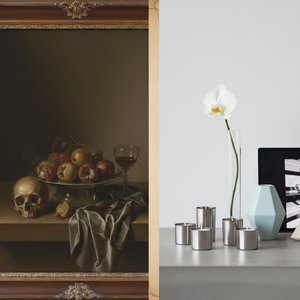
The Enduring Appeal of Still Life: A Historical & Contemporary Exploration
Explore the rich history & symbolism of still life painting with OriginalUniqueArt. Discover masterpieces from the Dutch Golden Age, learn about vanitas art, and find expert guidance for collecting timeless artworks.

Silent Narratives: Exploring the Enduring Appeal of Still Life Painting Across Centuries
Explore the rich history of still life painting with OriginalUniqueArt. Discover Dutch Masters, decode vanitas symbolism & learn about collecting timeless art. Expert insights and museum-quality reproductions.


