Önizle
 Gönder
 Paylaş
 Detaylar
 Rehber

 Dosyayı İndir
 Benzerleri
 X-Işını
 Slayt Gösterisi
 Q&A
Q&A İstatistikler
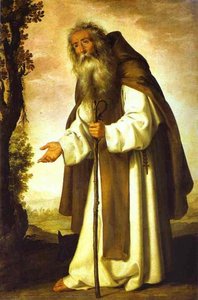
St. Stephen deacon


 Devamını Oku
Giclée / Sanat Baskısı
Hızlı üretim ve esnek bitiş seçenekleriyle müze kalitesinde giclée veya kanvas baskı. ( El Yapımı Tablo Satın Al Dijital Görsel Satışına Geç)




P118B ₺10

P118H ₺10

P118W ₺10

P438Z ₺10

P508JH ₺12

P508YH ₺12

P805H ₺10

P805Z ₺10

P919BZ ₺10

P919G ₺10

P919XJ ₺10

P959ZH ₺10

P968JZ ₺12

W106C ₺8

W218G ₺10

W218JH ₺8

W218Y ₺10

W307PJ ₺10

W316G ₺10

W316PJ ₺8

W316Y ₺10

W398PJ ₺8

W4111J ₺10

W500HY ₺15

W500JH ₺15

W692G ₺12

W849H ₺8

W940BG ₺15

W953PJ ₺8




Eserin orijinal oranlarıyla uyumlu, önceden belirlenmiş boyutlarımız arasından seçim yapın.

Çerçevenize veya duvarınıza uygun olması için ihtiyacınız olan genişlik ve yüksekliği yazın. Bir baskı yalnızca kesilebilir, görselden daha büyük hale getirilemez; bu nedenle farklı bir formdaki boyut seçimi, görselin bir kısmının kaybına neden olur. Herhangi bir baskı yapmadan önce onaylamanız için size bir dijital taslak gönderiyoruz. Bu sayfada gösterilen resim gerçek kesimi göstermez — bunu yalnızca taslak gösterir.
Dünya Çapında Teslimat (); standart 4/5 hafta yerine 2 haftada. (29 Ekim)

Dünya Çapında Ücretsiz Ekspres Kargo

Yüksek Kaliteli Keten Tuval

Tam Nakliye Sigortası

Gümrük Vergisi İadesi Garantisi

Gerçek Renk Uyumu Garantisi

100 Günlük İade Koşulları (Sadece Üretim Hatalı Ürünler İçin)

%100 Para İade Garantisi

Toplu Alım Avantajı
 Cam seçeneği yalnızca 110 cm altındaki boyutlar için mevcuttur.

St. Stephen deacon
Giclée / Sanat Baskısı
Baskı Boyutu
-


Toplam Fiyat
₺ 3921
A Vision of Devotion: The Soul of St. Stephen Deacon
In the quiet, shadowed corridors of the Spanish Baroque, few images command the viewer's attention with such profound stillness as Francisco de Zurbarán’s St. Stephen Deacon. This is not merely a portrait of a religious figure; it is an invitation into a moment of sacred introspection. Painted around 1600, the work captures a man draped in simple yet striking crimson robes, his gaze fixed upon the observer with an unwavering intensity that feels both haunting and deeply personal. To look upon St. Stephen is to encounter a soul caught in the act of profound contemplation, where the boundaries between the earthly and the divine begin to blur.
The painting serves as a masterclass in tenebrismo, the dramatic technique of extreme light and shadow that defined the era. Zurbarán, often hailed as the "Spanish Caravaggio," utilizes this method to sculpt his subject out of an enveloping, velvety darkness. A singular, luminous light source strikes the face of the deacon, highlighting the rugged textures of his skin and the solemnity of his expression, while simultaneously casting the background into a mysterious void. This deliberate manipulation of light does more than create realism; it directs the viewer’s emotional journey, pulling our eyes away from the periphery and forcing an intimate confrontation with the subject's spiritual weight.
The Texture of Faith and Historical Resonance
Beyond the technical brilliance, the artwork is a rich tapestry of symbolic meaning and historical significance. The choice of crimson for the deacon's robes is far from accidental; in Christian iconography, red often symbolizes the blood of martyrs and the fire of the Holy Spirit, hinting at the sacrificial path of St. and Stephen. Every fold of the fabric, rendered with an almost photographic precision, speaks to Zurbarán’s ability to imbue material objects with spiritual importance. The heavy, tactile quality of the cloth adds a sense of groundedness to the ethereal subject, making the saint feel palpably present in our own world.
This piece emerged from the fervent atmosphere of the Habsburg reign in Spain, a period marked by a powerful Catholic revival. As the Spanish Golden Age flourished, art became a primary vessel for expressing religious piety and moral seriousness. For collectors and lovers of fine art, owning a reproduction of such a work is not just about acquiring a beautiful object; it is about bringing a piece of this historical spiritual renewal into a contemporary space. The painting’s ability to evoke a sense of peace, gravity, and timelessness makes it an extraordinary centerpiece for any curated collection.
An Elegant Addition to the Modern Interior
For the discerning interior designer or art enthusiast, St. Stephen Deacon offers a unique opportunity to introduce drama and depth into a living space. The stark contrast of the tenebrist style provides a sophisticated focal point that complements both classical and modern minimalist aesthetics. In a room characterized by neutral tones or dark, moody palettes, this portrait acts as a window into another era, adding a layer of intellectual and emotional complexity to the decor.
Whether placed in a quiet study, a formal dining room, or a gallery-style hallway, the painting’s presence is transformative. It invites conversation and encourages a slower, more reflective pace of life. A high-quality hand-painted reproduction allows the subtle nuances of Zurbarán’s brushwork—the soft glow on the cheek, the deep shadows in the folds of the robe—to be appreciated daily, ensuring that the profound spiritual intensity of this Spanish masterpiece continues to inspire generations to come.
Soru ve Cevaplar
Francisco De Zurbarán imzalı "St. Stephen deacon" eserinin röntgen görüntüsünü görebilir miyim?
"St. Stephen deacon", görüntünün on bir optik okumasını içeren ve bir konservatörün ışıklı masasından ilham alan interaktif bir görüntüleyici olan eserin X-Işını sayfasında katman katman incelenebilir.
"St. Stephen deacon" eserindeki renkler ne kadar ışık yansıtıyor gibi görünüyor?
"St. Stephen deacon" eserinin renkleri Soft Shadow düzeyinde bir parlaklık sergiliyor.
Francisco De Zurbarán imzalı "St. Stephen deacon" ne düzeyde bir kontrasta sahip?
Francisco De Zurbarán imzalı "St. Stephen deacon" eserinin kontrast seviyesi Balanced'dır.
Sanatçı Biyografisi
Francisco de Zurbarán (1598 – 1664): The Soul of Spanish Baroque
Francisco de Zurbarán stands as one of Spain’s most compelling Baroque masters, a painter whose austere vision and dramatic use of light transformed religious subjects into profound meditations on faith and devotion. Baptized on November 7, 1598, in Fuente de Cantos, Extremadura, and passing on August 27, 1664, in Madrid, Zurbarán earned the nickname “Spanish Caravaggio” for his masterful command of chiaroscuro and tenebrism—a technique borrowed from Michelangelo Merisi da Caravaggio that employed dramatic contrasts between light and shadow to create a sense of drama and emphasize the emotional intensity of his subjects. His artistic journey began amidst the fervent religious landscape of Extremadura, where he absorbed influences from the region’s austere traditions and cultivated an early fascination with observation and representation.
Early Life and Artistic Formation
Born into a modest haberdashery family—Luis de Zurbarán and Isabel Márquez—young Francisco demonstrated artistic inclination from childhood, imitating objects with charcoal. Recognizing his son’s talent, his father entrusted him to Seville in 1614 to apprentice for three years under Pedro Díaz de Villanueva, an artist of whom little is known today. This formative period exposed him to the burgeoning Baroque style and instilled within him a sensibility that favored simplicity, solemnity, and a deep engagement with spiritual themes—characteristics that would define his mature work. His initial training focused on mastering naturalistic techniques, mirroring the stylistic conventions prevalent in Seville at the time, particularly those championed by Juan Martínez Montañés—a sculptor whose works embodied the spirit of Baroque elegance and precision.
The Seville Period: Establishing a Singular Style
By 1617, Zurbarán established himself in Seville, attracting commissions primarily for religious paintings intended for churches and monasteries. This period witnessed the full flowering of his signature style—a compelling blend of stark realism and intense spirituality. He quickly gained recognition as a painter, securing patronage from wealthy families and establishing a workshop that would become a hub of artistic activity. Zurbarán’s distinctive approach to painting was characterized by an unwavering commitment to *tenebrism*, a technique borrowed from Caravaggio that utilized dramatic contrasts between light and shadow to heighten emotional impact and create a sense of theatrical grandeur. He wasn't merely replicating what he saw; he was striving to convey inner truth—a profound spiritual presence within each figure—reflecting the influence of Mannerist compositional principles.
Mastery of Light and Shadow: The Zurbarán Technique
Zurbarán’s artistic genius lay in his ability to transform religious narratives into powerfully moving visual experiences. He achieved renown for his depictions of monks, nuns, martyrs, and saints—figures often portrayed in moments of profound contemplation or suffering. His meticulous attention to detail—particularly his masterful rendering of draperies—became a hallmark of his style, earning him the moniker “Painter of White Drapery.” He employed *tenebrism* with unparalleled skill, creating luminous figures against dark backgrounds that conveyed both solemn dignity and spiritual intensity. This technique—characterized by extreme chiaroscuro—was perfected through painstaking observation and experimentation, resulting in paintings that possessed an almost sculptural quality.
Royal Patronage and Legacy
Around 1630, Zurbarán ascended to prominence when he was appointed painter to Philip IV—a pivotal moment in his career that brought him increased recognition and access to royal commissions. This patronage enabled him to produce monumental works celebrating the monarchy’s piety and grandeur—further solidifying his reputation as one of Spain’s foremost Baroque artists. Despite facing economic hardships during the mid-17th century, Zurbarán continued to work diligently, adapting his style and exploring new themes—leaving behind a rich artistic legacy that continues to inspire admiration and scholarly study. His influence on subsequent generations of Spanish painters is undeniable; Zurbarán's unwavering commitment to realism and spiritual contemplation remains a testament to the enduring power of Baroque art.

Francisco De Zurbarán
1598 - 1664 , İspanya
Kısa Bilgiler
- Artistic Movement Or Style: Barok
- Artists Who Influenced This Artist: ['Juan Sánchez Cotán']
- Date Of Birth: 7 Kasım 1598
- Full Name: Francisco de Zurbarán
- Nationality: İspanyol
- Notable Artworks:
- Immaculate Conception
- Agnus Dei
- St Francis Receiving Stigmata
- Place Of Birth: Fuente de Cantos, İspanya
İlgili Yazılar

The Dramatic Flourish: Exploring the Baroque Movement's Enduring Legacy in Art History
Explore the dramatic world of Baroque art! Discover iconic artists like Caravaggio & Rubens, defining techniques, and its lasting impact on art history. Expert insights for collectors & enthusiasts at OriginalUniqueArt.

Barok Sanatın Zirveleri: Evinizi Büyüleyecek 10 Eser ve Hikayeleri
Barok sanatın en etkileyici 10 başyapıtını keşfedin! Caravaggio, Rembrandt ve daha fazlasının eserleriyle evinizi dönüştürün. Sanat tarihi, renkler ve duygularla dolu bu yolculukta OriginalUniqueArt.com'da müze kalitesinde replikalar bulun. Koleksiyonu çevrimiçi inceleyin!

Theatricality & Triumph: Baroque Drama in Painting & Sculpture
Explore the dramatic world of Baroque art! Discover its history, defining characteristics, & lasting influence on painting & sculpture. Expert insights into Caravaggio, Zurbarán, and Bernini – plus high-quality reproductions at OriginalUniqueArt.

The Golden Age Reforged: Dramatic Realism & Religious Zeal in Spanish Baroque Art
Explore the dramatic world of Spanish Baroque art! Discover masters like Zurbarán & the powerful influence of religious zeal on painting techniques – a guide for collectors and enthusiasts.
The Dramatic Flourish: Exploring Themes of Power, Faith & Emotion in Baroque Artworks
Explore the dramatic world of Baroque art! Discover masters like Zurbarán & the powerful influence of religious zeal on painting techniques. Expert insights for collectors and enthusiasts.