Francisco de Zurbarán (1598 – 1664): The Soul of Spanish Baroque
Francisco de Zurbarán stands as one of Spain’s most compelling Baroque masters, a painter whose austere vision and dramatic use of light transformed religious subjects into profound meditations on faith and devotion. Baptized on November 7, 1598, in Fuente de Cantos, Extremadura, and passing on August 27, 1664, in Madrid, Zurbarán earned the nickname “Spanish Caravaggio” for his masterful command of chiaroscuro and tenebrism—a technique borrowed from Michelangelo Merisi da Caravaggio that employed dramatic contrasts between light and shadow to create a sense of drama and emphasize the emotional intensity of his subjects. His artistic journey began amidst the fervent religious landscape of Extremadura, where he absorbed influences from the region’s austere traditions and cultivated an early fascination with observation and representation.
Early Life and Artistic Formation
Born into a modest haberdashery family—Luis de Zurbarán and Isabel Márquez—young Francisco demonstrated artistic inclination from childhood, imitating objects with charcoal. Recognizing his son’s talent, his father entrusted him to Seville in 1614 to apprentice for three years under Pedro Díaz de Villanueva, an artist of whom little is known today. This formative period exposed him to the burgeoning Baroque style and instilled within him a sensibility that favored simplicity, solemnity, and a deep engagement with spiritual themes—characteristics that would define his mature work. His initial training focused on mastering naturalistic techniques, mirroring the stylistic conventions prevalent in Seville at the time, particularly those championed by Juan Martínez Montañés—a sculptor whose works embodied the spirit of Baroque elegance and precision.
The Seville Period: Establishing a Singular Style
By 1617, Zurbarán established himself in Seville, attracting commissions primarily for religious paintings intended for churches and monasteries. This period witnessed the full flowering of his signature style—a compelling blend of stark realism and intense spirituality. He quickly gained recognition as a painter, securing patronage from wealthy families and establishing a workshop that would become a hub of artistic activity. Zurbarán’s distinctive approach to painting was characterized by an unwavering commitment to *tenebrism*, a technique borrowed from Caravaggio that utilized dramatic contrasts between light and shadow to heighten emotional impact and create a sense of theatrical grandeur. He wasn't merely replicating what he saw; he was striving to convey inner truth—a profound spiritual presence within each figure—reflecting the influence of Mannerist compositional principles.
Mastery of Light and Shadow: The Zurbarán Technique
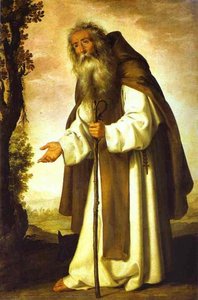
Zurbarán’s artistic genius lay in his ability to transform religious narratives into powerfully moving visual experiences. He achieved renown for his depictions of monks, nuns, martyrs, and saints—figures often portrayed in moments of profound contemplation or suffering. His meticulous attention to detail—particularly his masterful rendering of draperies—became a hallmark of his style, earning him the moniker “Painter of White Drapery.” He employed *tenebrism* with unparalleled skill, creating luminous figures against dark backgrounds that conveyed both solemn dignity and spiritual intensity. This technique—characterized by extreme chiaroscuro—was perfected through painstaking observation and experimentation, resulting in paintings that possessed an almost sculptural quality.
Royal Patronage and Legacy
Around 1630, Zurbarán ascended to prominence when he was appointed painter to Philip IV—a pivotal moment in his career that brought him increased recognition and access to royal commissions. This patronage enabled him to produce monumental works celebrating the monarchy’s piety and grandeur—further solidifying his reputation as one of Spain’s foremost Baroque artists. Despite facing economic hardships during the mid-17th century, Zurbarán continued to work diligently, adapting his style and exploring new themes—leaving behind a rich artistic legacy that continues to inspire admiration and scholarly study. His influence on subsequent generations of Spanish painters is undeniable; Zurbarán's unwavering commitment to realism and spiritual contemplation remains a testament to the enduring power of Baroque art.
Soru & Cevap
Francisco De Zurbarán sanatçısının doğum yeri olan şehir ve ülke neresidir?
Francisco De Zurbarán, İspanya sınırları içerisindeki Fuente de Cantos şehrinde doğmuştur.
Francisco De Zurbarán sanatçısının anahtar kelimelere göre gruplandırılmış eserlerini nerede bulabilirim?
Francisco De Zurbarán'in eserlerini, sanatçının Anahtar Kelimelere Göre sayfasında anahtar kelimelere göre keşfedebilirsiniz. Her anahtar kelime ilgili eserleri bir araya getirir.
Francisco De Zurbarán sanatçısının sanatı zaman içinde nasıl bir gelişim gösterdi?
Francisco De Zurbarán'in kariyeri, sanatçının Kronoloji sayfasında dönem dönem sergilenmektedir: eserlerin kariyer dönemlerine göre gruplandırıldığı yatay bir zaman çizelgesi.