Önizle
 Gönder
 Paylaş
 Detaylar
 Rehber

 Dosyayı İndir
 Benzerleri
 X-Işını
 Slayt Gösterisi
 İstatistikler
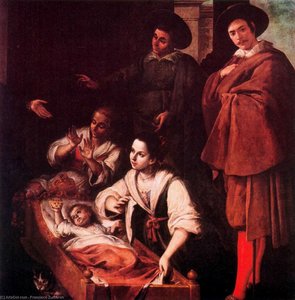
Bodegón de membrillos

 Devamını Oku
Giclée / Sanat Baskısı
Hızlı üretim ve esnek bitiş seçenekleriyle müze kalitesinde giclée veya kanvas baskı. ( El Yapımı Tablo Satın Al Dijital Görsel Satışına Geç)




P118B ₺10

P118H ₺10

P118W ₺10

P438Z ₺10

P508JH ₺12

P508YH ₺12

P805H ₺10

P805Z ₺10

P919BZ ₺10

P919G ₺10

P919XJ ₺10

P959ZH ₺10

P968JZ ₺12

W106C ₺8

W218G ₺10

W218JH ₺8

W218Y ₺10

W307PJ ₺10

W316G ₺10

W316PJ ₺8

W316Y ₺10

W398PJ ₺8

W4111J ₺10

W500HY ₺15

W500JH ₺15

W692G ₺12

W849H ₺8

W940BG ₺15

W953PJ ₺8




Eserin orijinal oranlarıyla uyumlu, önceden belirlenmiş boyutlarımız arasından seçim yapın.

Çerçevenize veya duvarınıza uygun olması için ihtiyacınız olan genişlik ve yüksekliği yazın. Bir baskı yalnızca kesilebilir, görselden daha büyük hale getirilemez; bu nedenle farklı bir formdaki boyut seçimi, görselin bir kısmının kaybına neden olur. Herhangi bir baskı yapmadan önce onaylamanız için size bir dijital taslak gönderiyoruz. Bu sayfada gösterilen resim gerçek kesimi göstermez — bunu yalnızca taslak gösterir.
Dünya Çapında Teslimat (); standart 4/5 hafta yerine 2 haftada. (24 Ekim)

Dünya Çapında Ücretsiz Ekspres Kargo

Yüksek Kaliteli Keten Tuval

Tam Nakliye Sigortası

Gümrük Vergisi İadesi Garantisi

Gerçek Renk Uyumu Garantisi

100 Günlük İade Koşulları (Sadece Üretim Hatalı Ürünler İçin)

%100 Para İade Garantisi

Toplu Alım Avantajı
 Cam seçeneği yalnızca 110 cm altındaki boyutlar için mevcuttur.

Bodegón de membrillos
Giclée / Sanat Baskısı
Baskı Boyutu
-


Toplam Fiyat
₺ 3914
A Still Life of Profound Simplicity: Exploring Zurbarán’s *Bodegón de Membrillos*
Francisco de Zurbarán's *Bodegón de Membrillos*, a deceptively simple composition featuring three apples resting upon a rustic plate, is far more than a mere depiction of fruit. It’s a window into the deeply spiritual world of one of Spain’s most significant Baroque artists, offering a glimpse into his meticulous observation of nature and his profound understanding of light and shadow – hallmarks of his distinctive style. Painted likely around 1630, this work exemplifies Zurbarán's mastery of *tenebrism*, a dramatic technique where strong contrasts between light and dark heighten the emotional impact of the scene. The muted palette—dominated by browns, ochres, and the pale yellows of the apples—creates an atmosphere of solemnity and quiet contemplation, drawing the viewer into a space both earthly and ethereal.

The Roots of Austerity: Context and Influences
To fully appreciate *Bodegón de Membrillos*, it’s crucial to understand the artistic and religious context in which it was created. Born in Fuente de Cantos, Extremadura, in 1598, Zurbarán's upbringing instilled within him a reverence for simplicity and austerity – qualities deeply rooted in the region’s Catholic traditions. His early training with Alejandro de la Mina and later under Alonso de Najera exposed him to the burgeoning Baroque style, but he quickly developed his own unique voice, prioritizing realism and spiritual depth over elaborate ornamentation. The stark landscapes of Extremadura, characterized by their rugged beauty and devout atmosphere, profoundly shaped his artistic sensibility. Interestingly, Zurbarán’s work reflects influences from both Dutch still life painting – particularly in its meticulous detail and focus on everyday objects – and Italian tenebrism, most notably the dramatic lighting employed by Caravaggio. However, unlike Caravaggio's often theatrical compositions, Zurbarán’s works possess a quiet dignity and introspective quality.
Symbolic Resonance: Apples, Light, and Mortality
The choice of subject matter—three apples—is laden with symbolic meaning. In Christian iconography, the apple frequently represents temptation, sin, and mortality. Here, however, the apples are presented not as symbols of transgression but rather as emblems of earthly beauty and fleeting existence. The way Zurbarán renders their surfaces – capturing every subtle variation in color and texture – emphasizes their vulnerability and fragility. Crucially, the light itself is a key element of the composition. It originates from an unseen source, bathing the apples in a golden glow while simultaneously casting deep shadows that accentuate their form and create a sense of depth. This interplay of light and dark not only enhances the visual drama but also serves to evoke a feeling of spiritual illumination – suggesting that even in the most mundane objects, one can find evidence of God’s presence.
A Legacy of Dramatic Realism: Zurbarán's Enduring Influence
Francisco de Zurbarán remains a pivotal figure in Spanish art history, often referred to as the “Spanish Caravaggio” for his masterful use of *tenebrism*. His works—including this evocative still life—continue to captivate viewers with their profound sense of realism, spiritual intensity, and technical brilliance. His influence can be seen in the work of subsequent generations of Spanish painters, particularly Juan de Zurbarán, his son, who further developed his father’s distinctive style. Reproductions like this offer a remarkable opportunity to experience the power and beauty of Zurbarán's art firsthand, bringing a touch of timeless elegance and contemplative serenity to any space.
Soru ve Cevaplar
Francisco De Zurbarán imzalı "Bodegón de membrillos" eserinin parlaklık değeri nedir?
"Bodegón de membrillos" eserinin renkleri Dark düzeyinde bir parlaklık sergiliyor.
Francisco De Zurbarán imzalı "Bodegón de membrillos" portre, manzara mı yoksa kare kompozisyon mu?
Francisco De Zurbarán imzalı "Bodegón de membrillos", Landscape formatındadır. Bu format, kompozisyonun oranlarını tanımlar.
Öğrenciler için Francisco De Zurbarán imzalı "Bodegón de membrillos" hakkında bir bilgi sayfası mevcut mu?
Francisco De Zurbarán imzalı "Bodegón de membrillos" eserinin Rehber sayfası; eserin kimlik tablosu, sanatçının yaşam süresindeki yerini gösteren on yıllık şerit, sanatçının diğer çalışmaları, ölçülmüş renk paleti ve dört farklı stilde kopyalamaya hazır atıfları içeren, iki sayfadan oluşan yazdırılabilir bir bilgi formu sunar.
Sanatçı Biyografisi
Francisco de Zurbarán (1598 – 1664): The Soul of Spanish Baroque
Francisco de Zurbarán stands as one of Spain’s most compelling Baroque masters, a painter whose austere vision and dramatic use of light transformed religious subjects into profound meditations on faith and devotion. Baptized on November 7, 1598, in Fuente de Cantos, Extremadura, and passing on August 27, 1664, in Madrid, Zurbarán earned the nickname “Spanish Caravaggio” for his masterful command of chiaroscuro and tenebrism—a technique borrowed from Michelangelo Merisi da Caravaggio that employed dramatic contrasts between light and shadow to create a sense of drama and emphasize the emotional intensity of his subjects. His artistic journey began amidst the fervent religious landscape of Extremadura, where he absorbed influences from the region’s austere traditions and cultivated an early fascination with observation and representation.
Early Life and Artistic Formation
Born into a modest haberdashery family—Luis de Zurbarán and Isabel Márquez—young Francisco demonstrated artistic inclination from childhood, imitating objects with charcoal. Recognizing his son’s talent, his father entrusted him to Seville in 1614 to apprentice for three years under Pedro Díaz de Villanueva, an artist of whom little is known today. This formative period exposed him to the burgeoning Baroque style and instilled within him a sensibility that favored simplicity, solemnity, and a deep engagement with spiritual themes—characteristics that would define his mature work. His initial training focused on mastering naturalistic techniques, mirroring the stylistic conventions prevalent in Seville at the time, particularly those championed by Juan Martínez Montañés—a sculptor whose works embodied the spirit of Baroque elegance and precision.
The Seville Period: Establishing a Singular Style
By 1617, Zurbarán established himself in Seville, attracting commissions primarily for religious paintings intended for churches and monasteries. This period witnessed the full flowering of his signature style—a compelling blend of stark realism and intense spirituality. He quickly gained recognition as a painter, securing patronage from wealthy families and establishing a workshop that would become a hub of artistic activity. Zurbarán’s distinctive approach to painting was characterized by an unwavering commitment to *tenebrism*, a technique borrowed from Caravaggio that utilized dramatic contrasts between light and shadow to heighten emotional impact and create a sense of theatrical grandeur. He wasn't merely replicating what he saw; he was striving to convey inner truth—a profound spiritual presence within each figure—reflecting the influence of Mannerist compositional principles.
Mastery of Light and Shadow: The Zurbarán Technique
Zurbarán’s artistic genius lay in his ability to transform religious narratives into powerfully moving visual experiences. He achieved renown for his depictions of monks, nuns, martyrs, and saints—figures often portrayed in moments of profound contemplation or suffering. His meticulous attention to detail—particularly his masterful rendering of draperies—became a hallmark of his style, earning him the moniker “Painter of White Drapery.” He employed *tenebrism* with unparalleled skill, creating luminous figures against dark backgrounds that conveyed both solemn dignity and spiritual intensity. This technique—characterized by extreme chiaroscuro—was perfected through painstaking observation and experimentation, resulting in paintings that possessed an almost sculptural quality.
Royal Patronage and Legacy
Around 1630, Zurbarán ascended to prominence when he was appointed painter to Philip IV—a pivotal moment in his career that brought him increased recognition and access to royal commissions. This patronage enabled him to produce monumental works celebrating the monarchy’s piety and grandeur—further solidifying his reputation as one of Spain’s foremost Baroque artists. Despite facing economic hardships during the mid-17th century, Zurbarán continued to work diligently, adapting his style and exploring new themes—leaving behind a rich artistic legacy that continues to inspire admiration and scholarly study. His influence on subsequent generations of Spanish painters is undeniable; Zurbarán's unwavering commitment to realism and spiritual contemplation remains a testament to the enduring power of Baroque art.

Francisco De Zurbarán
1598 - 1664 , İspanya
Kısa Bilgiler
- Artistic Movement Or Style: Barok
- Artists Who Influenced This Artist: ['Juan Sánchez Cotán']
- Date Of Birth: 7 Kasım 1598
- Full Name: Francisco de Zurbarán
- Nationality: İspanyol
- Notable Artworks:
- Immaculate Conception
- Agnus Dei
- St Francis Receiving Stigmata
- Place Of Birth: Fuente de Cantos, İspanya
İlgili Yazılar

Barok Sanatın Zirveleri: Evinizi Büyüleyecek 10 Eser ve Hikayeleri
Barok sanatın en etkileyici 10 başyapıtını keşfedin! Caravaggio, Rembrandt ve daha fazlasının eserleriyle evinizi dönüştürün. Sanat tarihi, renkler ve duygularla dolu bu yolculukta OriginalUniqueArt.com'da müze kalitesinde replikalar bulun. Koleksiyonu çevrimiçi inceleyin!

The Golden Age Reforged: Dramatic Realism & Religious Zeal in Spanish Baroque Art
Explore the dramatic world of Spanish Baroque art! Discover masters like Zurbarán & the powerful influence of religious zeal on painting techniques – a guide for collectors and enthusiasts.
The Dramatic Flourish: Exploring Themes of Power, Faith & Emotion in Baroque Artworks
Explore the dramatic world of Baroque art! Discover masters like Zurbarán & the powerful influence of religious zeal on painting techniques. Expert insights for collectors and enthusiasts.

Francisco de Zurbarán: Mysticism, Realism & the Golden Age of Spanish Painting
Explore the captivating world of Francisco de Zurbarán, a master of Spanish Baroque painting. Discover his dramatic tenebrism, religious masterpieces like 'La Porciúncula,' and lasting influence on art history.

The Dramatic Flourish: Exploring the Baroque Movement's Enduring Legacy in Art History
Explore the dramatic world of Baroque art! Discover iconic artists like Caravaggio & Rubens, defining techniques, and its lasting impact on art history. Expert insights for collectors & enthusiasts at OriginalUniqueArt.