 Önizleme yap
 Paylaş
 Paylaş
 Detayları Gör

 İndir
İndir
 Benzerlerini gör
 X-Işını
 Slayt Gösterisi
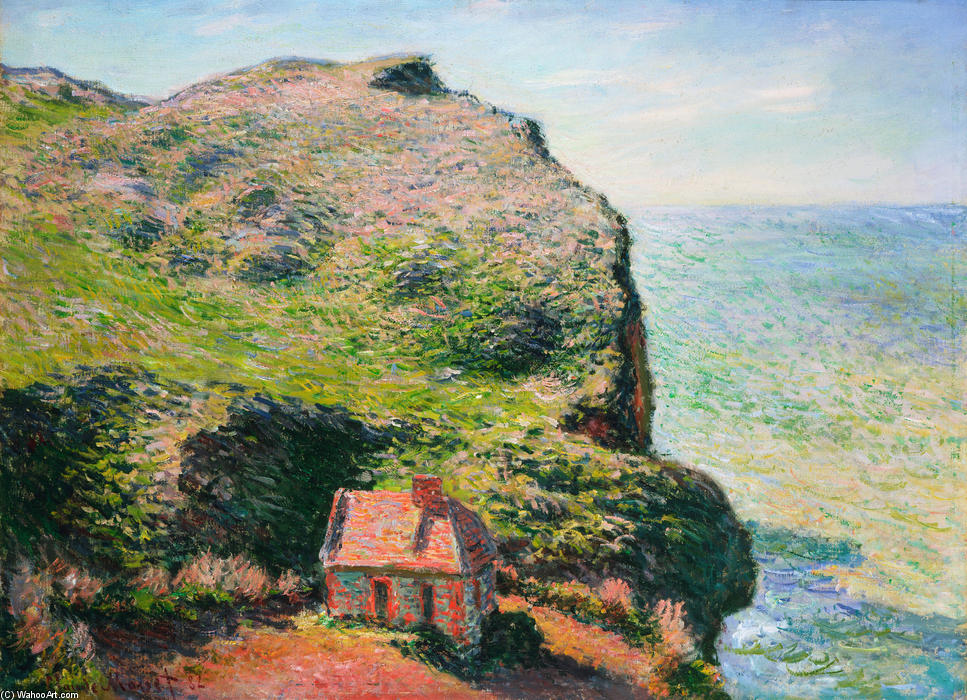
The Custom`s House


 Tümünü Gör
Giclée / Sanat Baskısı
Hızlı üretim ve esnek bitiş seçenekleriyle müze kalitesinde giclée veya kanvas baskı. ( El boyaması versiyona geç Görsele Geç)




P118B $10

P118H $10

P118W $10

P438Z $10

P508JH $12

P508YH $12

P805H $10

P805Z $10

P919BZ $10

P919G $10

P919XJ $10

P959ZH $10

P968JZ $12

W106C $8

W218G $10

W218JH $8

W218Y $10

W307PJ $10

W316G $10

W316PJ $8

W316Y $10

W398PJ $8

W4111J $10

W500HY $15

W500JH $15

W692G $12

W849H $8

W940BG $15

W953PJ $8




Eserin orijinal oranlarıyla uyumlu, önceden belirlenmiş boyutlarımız arasından seçim yapın.

Belirli bir çerçeveye veya alana uyması için kendi ölçülerinizi girebilirsiniz. Seçtiğiniz boyut orijinal görüntünün oranlarıyla eşleşmiyorsa, sanat eserini kırpacağız veya görüntüyü aynalanmış ya da düz dolgulu bir kenarlıkla genişleteceğiz. Üretim başlamadan önce onayınız için bir dijital taslak gönderilecektir.
Lütfen ekrandaki önizlemenin gerçek kırpma veya genişletmeyi yansıtmadığını unutmayın. Nihai kompozisyonu yalnızca taslak doğru bir şekilde gösterecektir.
Özel boyutlar mevcut olsa da, orijinal oranları korumak için önceden tanımlanmış listeden bir boyut seçmenizi öneririz.
Dünya Çapında Teslimat (); standart 4/5 hafta yerine 2 haftada. (7 Ağustos)

Dünya Çapında Ücretsiz Ekspres Kargo

Yüksek Kaliteli Keten Tuval

Tam Kapsamlı Nakliye Sigortası

Gümrük Vergisi İade Garantisi

Gerçek Renk Uyumu Garantisi

60 Günlük İade Politikası (Sadece Kusurlu Ürünler İçin)

%100 Para İade Garantisi

Toplu Alım İndirimi
 Cam seçeneği yalnızca 110 cm altındaki boyutlar için mevcuttur.

The Custom`s House
Giclée / Sanat Baskısı
Reproduksiyon Boyutu
-


Toplam Tutar
$ 80
Eser Açıklaması
The Custom’s House: A Glimpse of Normandy’s Past – Captured in Light
Claude Monet's “The Custom’s House,” painted in 1882, isn’t merely a depiction of a building; it’s an immersive experience of light, atmosphere, and the quiet beauty of the French coastline. This captivating landscape, housed within the Musée National des Douanes in Rouen, offers a serene window into a bygone era, showcasing Monet's mastery of Impressionism and his profound connection to the natural world. The painting presents a modest stone structure – the Custom’s House – perched dramatically on a hillside overlooking a tranquil body of water, likely the Seine or a similar river estuary. The composition is deceptively simple: a sturdy, red-roofed building anchoring itself against the backdrop of rolling hills and a hazy sky, yet within this apparent stillness lies a dynamic interplay of color and light that defines Monet’s signature style.
Monet's approach to capturing this scene exemplifies his core Impressionist principles. He wasn’t striving for photographic realism; instead, he sought to convey the *impression* of a moment in time – the fleeting effects of sunlight on water and stone, the subtle shifts in color as the atmosphere changes. The brushstrokes are loose and visible, creating a sense of movement and immediacy. Notice how Monet doesn't meticulously render every detail but rather uses broken strokes of vibrant blues, greens, and ochres to suggest form and texture. The red of the roof provides a striking focal point, drawing the eye while simultaneously harmonizing with the surrounding landscape. The artist’s deliberate use of color is key; he employs complementary hues – like blue and orange – to intensify the visual impact and create a sense of vibrancy.
Impressionist Style and Technique: A Dance of Light
At the heart of “The Custom’s House” lies Monet's signature Impressionist technique. He abandoned traditional academic methods, prioritizing direct observation and capturing the ephemeral qualities of light and color. This painting is a prime example of his ‘plein air’ approach – working outdoors directly from nature, allowing him to accurately record the nuances of the scene before him. The artist skillfully utilizes *optical mixing*, blending colors not on the palette but rather in the viewer's eye as they perceive the painting. This technique contributes significantly to the sense of luminosity and vibrancy that characterizes Monet’s work.
The composition itself is carefully considered, employing a subtle pyramidal structure anchored by the Custom’s House. The receding hills create a strong diagonal line, drawing the viewer's eye into the distance. Monet masterfully uses atmospheric perspective – objects in the background appear paler and less distinct due to the haze and distance, creating a sense of depth and spatial recession. He also employs broken color—applying small dabs of pure color next to each other rather than blending them together—to create an effect of shimmering light and reflection on the water’s surface.
Light and Composition: A Harmonious Encounter
The interplay of light is arguably the most compelling element of “The Custom’s House.” Monet wasn't simply painting a scene; he was capturing a specific *moment* – likely early morning or late afternoon, judging by the soft, diffused light. The sunlight filters through the mist, casting long shadows and creating an ethereal atmosphere. The water reflects the sky above, mirroring the colors and patterns of the clouds. This reflection not only adds depth to the composition but also creates a sense of unity between the man-made structure and the natural environment.
Notice how Monet uses light to define the form of the Custom’s House. The highlights accentuate its edges, while the shadows create a sense of solidity and mass. The overall effect is one of harmonious integration – the building appears to be seamlessly blended into the landscape, as if it were an organic extension of the hillside.
Artistic Influences and Legacy
Monet’s work was deeply influenced by several artistic movements and artists. His early exposure to Eugène Boudin's *plein air* painting techniques proved pivotal in shaping his approach to landscape art. He also admired the atmospheric perspective and loose brushwork of Jean-Baptiste Camille Corot, another prominent landscape painter of the time. Monet’s Impressionism, however, went beyond mere imitation; he developed a unique style that prioritized capturing subjective experience over objective representation.
“The Custom’s House” stands as a testament to Monet's innovative spirit and his profound understanding of light and color. It is a quintessential example of Impressionist landscape painting, inviting viewers to lose themselves in its tranquil beauty and contemplate the fleeting nature of time and perception. As an expert at OriginalUniqueArt.com, we are proud to offer meticulously crafted reproductions of this iconic work, allowing art enthusiasts to bring a piece of Monet’s genius into their homes.
Handmade oil painting reproductions of “The Custom’s House” are available at OriginalUniqueArt.com, ensuring that you own an authentic representation of this timeless masterpiece.
Sanatçı Özgeçmişi
Işığın İçinde Bir Yaşam: Claude Monet'nin Dünyası
Oscar-Claude Monet, empresyonizmle özdeşleşmiş bir isim; sadece manzara ressamı değil, aynı zamanda anlık kaçışların kronik yazarı, ışık ve rengin şairiydi. 14 Kasım 1840'ta Paris’te doğmuş, hayatının ilk yıllarında ailesi beş yaşındayken kendini Le Havre, Normandiya’ya taşımışlardı. Babası tarafından öncelikle ticari bir kariyere yönlendirilmek istenmiş olsa da, genç Claude’un içindeki sanatsal yetenek kısa sürede ortaya çıkmış, önce yerel dükkanlarda satılan karikatürlerle kendini göstermişti – hem becerisinin hem de girişimcilik ruhunun kanıtı. Ancak Eugène Boudin ile karşılaşması dönüm noktası olmuştu. Boudin sadece ona resim yapmayı öğretmekle kalmamış, aynı zamanda onu tüm sanatsal yolculuğunu tanımlayacak bir uygulama olan doğrudan doğadan – en plein air – resim yapma fikrini aşılamıştı.
Monet’nin resmi eğitimi Paris’te başlamış, önce Académie Suisse'de, ardından Charles Gleyre altında kısa süreliğine eğitim almıştı. İşte burada Auguste Renoir gibi diğer sanatçılarla kalıcı dostluklar kurmuş, ortak sanatsal hayal kırıklıkları ve geleneksel akademik resmin kısıtlamalarından kurtulma arzusuyla şekillenen bir bağ oluşturmuşlardı. Erken dönem eserleri teknik yeterliliği gösterse de, tarzını karakterize edecek belirgin bir ses eksikti. Ardından çalkantılı bir dönem izlemiş – Fransız-Prusya Savaşı onu Londra’ya sığınmaya zorlamış ve burada J.M.W. Turner gibi İngiliz manzara ustalarının çalışmalarına kendisini kaptırmıştı, atmosferik etkilerini ve renk kullanımındaki yeniliklerini özümsüyordu.
Estetik Bir Devrimin Doğuşu
Fransa'ya dönüşünde Monet, yükselen bir sanatsal isyanın merkezinde yer aldı. Salonun muhafazakar standartlarından hoşnut olmayan Monet, benzer fikirli sanatçılarla güçlerini birleştirerek bağımsız sergiler düzenledi. 1874 yılındaki sergi, sadece Monet için değil tüm sanat dünyası için de bir dönüm noktası oldu. İşte burada “Impression, soleil levant” (Gün Doğumu İzlenimi) adlı tablosu sergilendi ve bu eserden "empresyonizm" terimi doğdu – Le Havre limanının şafaktaki belirsiz bir tasviri. Ancak isim yakışmış, hareketin öznel bir sahnenin kesin temsili yerine *izlenimini* yakalamayı amaçlayan bir onur nişanı haline gelmişti.
Bu dönemde Monet’nin imza tarzı filizlendi: gevşek, görülebilir fırça darbeleri, yan yana uygulanan canlı ve genellikle karıştırılmamış renkler (bilinen “kırık renk” tekniği) ve ışığın geçici niteliklerini yakalamaya yönelik sarsılmaz bir odaklanma. Plein air pratiğine adanmışlığı sadece gördüklerini resmetmekle ilgili değildi, aynı zamanda ona göre değişen koşulların sahneyi değiştirmesinden önce kaybolan algılarını hızlıca kaydetmekti – sanatsal geleneklerden radikal bir kopuştu.
Giverny: Işık ve Yansımaların Cenneti
1883'te Monet, Paris’in kuzeybatısında Giverny’de yerleşerek hem sığınağını hem de en büyük ilham kaynağını oluşturacak bir ev ve bahçe kurdu. Mülkü dikkatlice egzotik çiçekler, ağlayan söğütler ve en ünlüsü su lili havuzu ile kaplı gösterişli bir cennete dönüştürdü – üzerinde Japon köprüsü bulunuyordu. Bu sadece dekoratif bir bahçe değildi; Monet’nin ışığın suyu, yaprakları ve yansımaları üzerindeki etkilerini kontrollü koşullarda inceleyebileceği yaşayan bir laboratuvardı.
Hayatının son dönemleri neredeyse tamamen Giverny'deki su lili havuzunu resmetmeye adanmıştı. Muazzam boyutlarda tuvallerden oluşan Nymphéas (Su Lilleri) serisine girişti, havuzun yüzeyini sürekli değişen renk ve ışık dokusu olarak tasvir etti. Bunlar sadece çiçeklerin resimleri değildi; izleyiciyi dingin güzellik ve düşünceli bir sessizliğin dünyasına hapsedmek için tasarlanmış sürükleyici deneyimlerdi. Bu eserlerin ölçeği nefes kesici, geleneksel resmin sınırlarını zorluyor ve soyut dışavurumculuğu önceden haber veriyordu.
Mirası: Sanat Tarihine Kalıcı Bir Etki
Claude Monet’nin sanat tarihindeki etkisi ölçülemez. O sadece empresyonizmin kurucusu değil, aynı zamanda çevresindeki dünyayı algılama ve temsil etme biçimini temelden değiştirmiştir. Öznel deneyime verdiği önem, plein air resimlerini benimsemesi ve yenilikçi teknikleri, modern sanatın soyutlamayı ve temsilsiz formları keşfetmesine öncülük etmiştir.
Monet, çağının avangart sanatçıları için nadir bir durum olan hayatı boyunca önemli ticari başarılar elde etti. Eserleri günümüzde de tüm dünyada izleyicileri hayran bırakmaya ve büyülemeye devam ediyor, böylece Batı sanatı tarihindeki en önemli figürlerden biri olarak yerini sağlamlaştırıyor. Önemli başyapıt koleksiyonları Musée d'Orsay ve Paris’teki Musée Marmottan Monet gibi seçkin kurumlarda bulunuyor, böylece vizyonunun dünya üzerinde parlamaya devam etmesi sağlanıyor.
Temel Sanatsal Teknikler
- Plein Air Resim: Gelişiminin merkezinde yer alır, ışık ve atmosferin doğrudan gözlemlenmesine olanak tanır.
- Kırık Renk: Optik karışım için saf renklerin küçük darbelerini yan yana uygular.
- Seri Resim: Aynı konuyu farklı ışıklandırma ve hava koşullarında tasvir etmek – zamanın ve ışığın dönüştürücü gücünü gösterir.
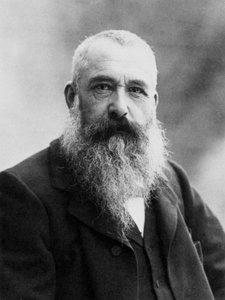
Claude Monet
1840 - 1926 , Fransa
Kısa Bilgiler
- Artistic Movement Or Style: İzlenimcilik
- Artists Or Movements Influenced By This Artist: ['Modern Sanat']
- Artists Who Influenced This Artist:
- Eugène Boudin
- J.M.W. Turner
- Date Of Birth: 14 Kasım 1840
- Date Of Death: 5 Aralık 1926
- Full Name: Oscar-Claude Monet
- Nationality: Fransız
- Notable Artworks:
- Gün Doğumu İzlenimi
- Suda Nilüferler
- Samanyolu
- Ruan Katedrali
- Place Of Birth: Paris, Fransa
İlgili Makaleler
Claude Monet'nin En İyi 25 Eseri: İzlenimci Sanatın Büyülü Dünyası | OriginalUniqueArt
Claude Monet'nin en iyi 25 eserini keşfedin! İzlenimci sanatın büyülü dünyasına dalın, her tablonun hikayesini öğrenin. Ev dekorasyonunuz için yüksek kaliteli sanat reproduksiyonları OriginalUniqueArt'ta. Koleksiyonu şimdi keşfedin!

Impressionistic Landscapes: 10 Masterpieces That Changed Art & Decor
Journey into the heart of Impressionism! Explore 10 masterpieces by Monet, Renoir & Degas that revolutionized landscape art. Discover their stories, techniques & find museum-quality reproductions to elevate your home decor on OriginalUniqueArt.com.

Paul Cézanne'ın En İyi 25 Eseri: Sanat Tarihinin İkonik Yapıtları ve Ev Dekorasyonu İçin İlham Veren Seçkiler
Paul Cézanne'ın en iyi 25 eserini keşfedin! Modern sanatın öncüsü Cézanne'ın post empresyonist tabloları, natürmortları ve renkli manzaralarıyla evinizi sanatsal bir atmosfere taşıyın. OriginalUniqueArt.com'da yüksek kaliteli sanat baskıları ve dekor fikirleri sizi bekliyor.

İzlenimci Manzarayı Şekillendiren 10 Başyapıt: Sanat ve Ev Dekorasyonunda Zarafet
İzlenimci manzara sanatının zirvesi! Monet, Renoir gibi ustaların 10 başyapıtıyla doğanın büyüsünü keşfedin. Sanat tarihi ve ev dekorasyonunda iz bırakmış eserleri OriginalUniqueArt.com'da inceleyin. Koleksiyonumuzu online olarak keşfedin!
Beyond the Horizon: 10 Landscape Masterpieces for Your Home Decor
Journey through 10 breathtaking landscape paintings by Monet, Van Gogh & more! Explore iconic artworks, artistic techniques & find inspiration for your home decor. Museum-quality reproductions at OriginalUniqueArt.com. Discover all masterpieces on OriginalUniqueArt.com