
 Förhandsvisa
 Skicka
 Dela
Dela
 Visa detaljer
 Guide
Guide

 Ladda ner
 Liknande objekt
 Röntgen
 Bildspel
 Statistik
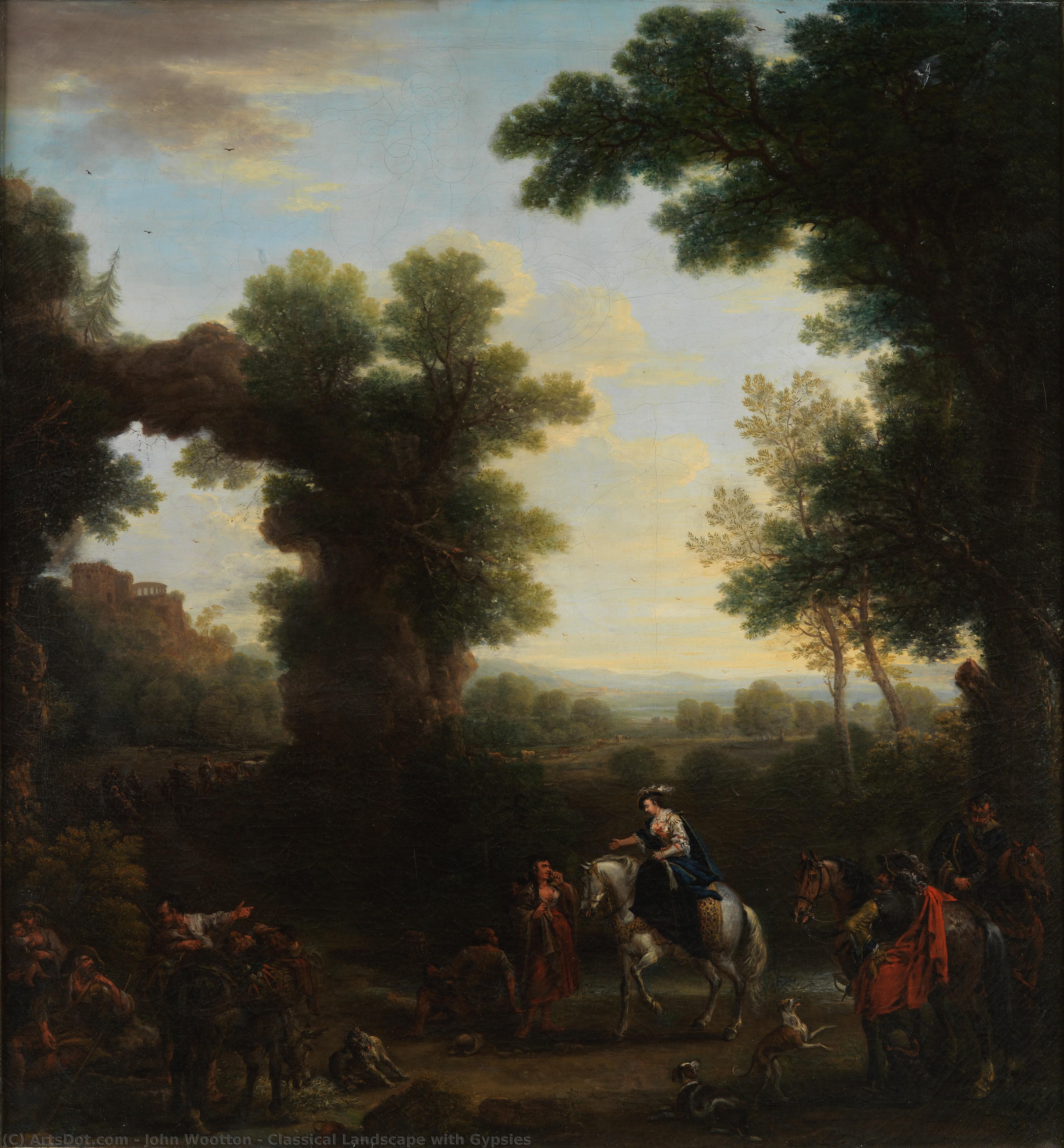
Classical Landscape with Gypsies
 Oil On Canvas
- WallArt
- Baroque Landscape Painting
 1748
1748- Early Modern
 140.0 x 131.0 cm
 Metropolitan Museum of Art
 Visa mer
Handgjord oljereproduktion
Handmålad olja på duk i din valda storlek och ram, tillverkad efter beställning av våra konstnärer. ( Byt till tryck Byt till digital bild)




P118B Skr10

P118H Skr10

P118W Skr10

P438Z Skr10

P508JH Skr12

P508YH Skr12

P805H Skr10

P805Z Skr10

P919BZ Skr10

P919G Skr10

P919XJ Skr10

P959ZH Skr10

P968JZ Skr12

W106C Skr8

W218G Skr10

W218JH Skr8

W218Y Skr10

W307PJ Skr10

W316G Skr10

W316PJ Skr8

W316Y Skr10

W398PJ Skr8

W4111J Skr10

W500HY Skr15

W500JH Skr15

W692G Skr12

W849H Skr8

W940BG Skr15

W953PJ Skr8




Välj bland våra förinställda storlekar som motsvarar konstverkets ursprungliga proportioner.

Ange den bredd och höjd du behöver för att passa din ram eller din vägg. Eftersom detta är handmålat kan konstnären, vid ett annat format, måla lite mer runt bilden eller beskära den något – det är du som väljer. Vi skickar en digital mockup för godkännande innan målningen påbörjas. Bilden som visas på denna sida representerar inte det slutgiltiga resultatet — det är endast mockuppen som visar det.
Efter beställning kommer OriginalUniqueArt.com team att mejla kunden för instruktioner och tillhandahålla en skissförhandsvisning
Leverans över hela världen () på 3–4 veckor istället för standard 5 veckor. (27 oktober). Inga kompromisser med kvaliteten.

Fri expressfrakt över hela världen

Högkvalitativ linnecanvas

Fullständig fraktförsäkring

Garantier för återbetalning av tullavgifter

Garantier för exakt färgåtergivning

100 dagars returrätt (endast vid fel)

100% pengarna tillbaka-garanti

Mängdrabatt erbjuds
 Glasalternativet är endast tillgängligt i storlekar under 110 cm.

Classical Landscape with Gypsies
Reproduktionsmetod
Storlek på reproduktion
-


Slutgiltigt pris
Skr 2987
A Pastoral Symphony: The Enchantment of Wootton’s Landscape
In the grand tapestry of eighteenth-century British art, few works capture the harmonious tension between aristocratic refinement and the untamed spirit of nature as gracefully as John Wootton’s "Classical Landscape with Gypsies." Executed in 1748, this monumental canvas serves as a breathtaking window into the Regency era's profound fascination with pastoral beauty. The scene unfolds not merely as a static depiction of countryside, but as a meticulously choreographed tableau where the rolling hills and muted greens of the English landscape provide a stage for a lively human narrative. As one gazes upon the composition, there is an immediate sense of entering a world where time slows down, inviting the viewer to wander through the atmospheric perspective and tonal gradations that Wootton mastered so exquisitely under the tutelage of Jan Wyck.
The painting’s subject matter strikes a delicate balance between the idyllic and the itinerant. At its heart, a gathering of gypsies moves through the landscape, their presence introducing a layer of nomadic vitality to the otherwise serene setting. This juxtaposition—the transient life of the travelers set against the permanent, stately backdrop of the countryside—was a hallmark of the era's artistic curiosity. The inclusion of horses, rendered with Wootton’s signature precision, further elevates the narrative; these noble creatures are not merely animals within the frame but symbols of status, freedom, and the deep-seated connection between the landed gentry and the natural world. For the discerning collector or interior designer, this piece offers a profound sense of movement and life, making it an ideal centerpiece for spaces that require a touch of historical grandeur and organic warmth.
Mastery of Brush and Light: The Technical Brilliance
To appreciate "Classical Landscape with Gypsies" is to witness the technical prowess of a pioneer of sporting art. Wootton’s technique eschews the rigid, clinical precision often found in academic painting of his time, opting instead for loose, expressive brushstrokes that imbue the canvas with palpable emotion and dynamism. One can almost feel the breeze moving through the scattered trees and sense the heat radiating from the sun-drenched hills. His ability to manipulate light and shadow creates a sense of depth that draws the eye inward, leading the viewer from the detailed interactions in the foreground—where figures converse and tend to their mounts—toward the hazy, distant horizons.
The color palette is a masterclass in subtlety, utilizing earthy browns, soft ochres, and deep forest greens to evoke a sense of timelessness. This restrained use of color ensures that the painting does not overwhelm a room but rather complements it, providing a sophisticated foundation for luxury decor. For those seeking to integrate fine art into a contemporary or classical interior, a high-quality reproduction of this work offers more than just decoration; it provides an infusion of historical soul. The way Wootton captures the texture of animal coats, the softness of the foliage, and the very atmosphere of the English afternoon makes this painting an enduring masterpiece that continues to inspire awe and tranquility in all who behold it.
Frågor och svar
Vem är konstnären bakom "Classical Landscape with Gypsies"?
Konstnären bakom "Classical Landscape with Gypsies" är John Wootton. Verket är katalogiserat under John Woottons namn.
Är "Classical Landscape with Gypsies" överlag mer ljus eller mörk?
De registrerade värdena för "Classical Landscape with Gypsies" av John Wootton är: deep_shadow i ljusstyrka och Soft Shadow i luminans.
Hur förhåller sig motivet i "Classical Landscape with Gypsies" till John Woottons vanliga teman?
Bland John Woottons dokumenterade teman – beaufort family patronage, equestrian tradition, aristocratic landscape, baroque style, decorative art – har "Classical Landscape with Gypsies" ett eget fokus på landscape, gypsies, equestrian art, aristocracy, pastoral scene, classical painting, british art, seventeenth century.
Konstnärsbiografi
John Wootton - Pioneer of British Sporting Art
John Wootton (c. 1682 – 1764) was an English painter of sporting subjects, battle scenes and landscapes, and illustrator who stands as a cornerstone in the history of British art. His remarkable talent for capturing the spirit of horses—together with Peter Tillemans and James Seymour—established him as the foremost practitioner of sporting art during his lifetime, securing patronage from influential figures like George II and Frederick, Prince of Wales. Wootton’s artistic journey began with formal training under Jan Wyck in the 1690s, where he honed foundational skills in draftsmanship and painting techniques – a bedrock upon which he built an oeuvre characterized by unparalleled detail and sensitivity.Early Life and Artistic Training
Born around 1686 in Snitterfield, Warwickshire (near Stratford-upon-Avon), Wootton’s early life remains somewhat shrouded in obscurity. However, biographical accounts suggest he entered the service of the Beaufort family at a young age—a formative experience that instilled within him an enduring fascination with equestrian pursuits and the aristocratic milieu of his time. This patronage provided invaluable access to artistic circles and fostered connections with fellow artists who would shape Wootton’s intellectual and creative trajectory. His initial training under Jan Wyck proved instrumental in developing his mastery of chiaroscuro—the dramatic interplay of light and shadow—a technique he skillfully employed throughout his career, imbuing his paintings with depth and realism.The Rise to Fame: Sporting Art and Newmarket
By 1706, Wootton had firmly established himself in London’s artistic landscape, swiftly gaining recognition for his depictions of horses at Newmarket—the epicenter of British racing culture. He wasn't merely documenting these animals; he was conveying their dynamism, their nobility, and their individual personalities with an unprecedented level of precision and empathy. This specialization cemented Wootton’s reputation as a visionary artist who understood the cultural significance of sport and skillfully translated it onto canvas. His canvases became highly sought after by members of the British aristocracy—a testament to his ability to capture both visual beauty and social prestige.A Landscape Innovator: Embracing Dughet's Influence
Wootton’s artistic vision extended beyond equine portraits; he spearheaded the introduction of what would become known as the “ideal landscape” to British art—a stylistic departure from prevailing Dutch and Flemish traditions. Heavily influenced by Gaspard Dughet (also Gaspar van Wittel), Wootton adopted a classical approach characterized by harmonious compositions, atmospheric perspective, and meticulous attention to detail. This stylistic choice represented a pivotal moment in British artistic history, fostering a new aesthetic sensibility that resonated throughout the eighteenth century—particularly with artists like Gainsborough who would subsequently champion this innovative style. Wootton’s landscapes weren't merely scenic representations; they were imbued with symbolic meaning—reflecting Enlightenment ideals of beauty and rationality.Legacy and Enduring Influence
Although later artists such as George Stubbs achieved greater technical prowess in animal painting, John Wootton’s pioneering role remains undeniable. He established sporting art as a legitimate genre, paving the way for subsequent generations to explore this subject matter with increasing sophistication. His masterful technique—characterized by luminous color palettes and dramatic lighting—continues to inspire admiration among art historians and collectors alike. Wootton's legacy extends beyond his individual artworks; he fundamentally altered the course of British painting—solidifying his place as a true visionary artist whose influence persists to this day. He bridged the gap between earlier traditions and the emerging styles that would define 18th-century British art. Today, Wootton’s works are held in prestigious collections worldwide – including the Tate Gallery (London), the Virginia Museum of Fine Arts (Richmond), and the Yale Center for British Art—ensuring his enduring contribution to artistic history is celebrated by audiences across generations.
John Wootton
1682 - 1764 , Storbritannien
Kortfakta
- Artistic Movement Or Style: Sporting art, Landscape
- Artists Or Movements Influenced By This Artist:
- Thomas Gainsborough
- George Stubbs
- Artists Who Influenced This Artist:
- Jan Wyck
- Gaspard Dughet
- Date Of Birth: c. 1682
- Date Of Death: 1764
- Full Name: John Wootton
- Nationality: British
- Notable Artworks:
- Bonny Black
- Before the hunt
- The Bloody-Shouldered Arabian
- Place Of Birth: Snitterfield, UK
Relaterade artiklar

John Singer Sargents 25 Mästerverk: Porträtt & Impressionism för Hemmet | OriginalUniqueArt
Utforska John Singer Sargents 25 mest ikoniska målningar! Lär känna porträttkonsten, impressionismen och hans unika ljusspel. Hitta inspiration & köp högkvalitativa konsttryck på OriginalUniqueArt.com – för en elegant heminredning.

De 10 mästerverk som definierade nyklassicismen – konst för ditt hem | OriginalUniqueArt.com
Utforska de 10 mästerverk som definierade nyklassicismen! Lär känna Jacques-Louis David, Ingres & Canova. Upptäck konsthistoria och hitta inspiration för din inredning med museumkvalitativa reproduktioner på OriginalUniqueArt.com.
John Frederick Herring Sr.: Equestrian Mastery & the Rise of Sporting Art in Victorian England
Explore the life & work of John Frederick Herring Sr., a leading Victorian equestrian artist. Discover his masterpieces, patronage, techniques & investment potential. Expert insights for collectors.

John Constables 25 Mästerverk: En Konstnärlig Resa i Det Engelska Landskapet | OriginalUniqueArt
Utforska John Constables 25 mest ikoniska målningar – romantikens mästare av det engelska landskapet. Upptäck historien, tekniken & skönheten i verk som 'Hay Wain'. Köp exklusiva konsttryck på OriginalUniqueArt.com.
Sr. John E. Ferneley: Equestrian Portraiture & England's Social Fabric
Explore the captivating world of Sr. John E. Ferneley, a master of British sporting art. Discover his exquisite equestrian paintings & insights into 19th-century society. Invest in timeless masterpieces with OriginalUniqueArt.
