
 Förhandsvisa
 Skicka
 Dela
Dela
 Visa detaljer

 Ladda ner
 Liknande objekt
 Röntgen
 Bildspel
Cup


 Visa mer
Köp en högupplöst, förbättrad digital bild med betydligt högre kvalitet än förhandsvisningen online.
Varje fil är noggrant förberedd av våra interna specialister med hjälp av avancerade verktyg och professionell manuell retuschering. Vi säkerställer att varje bild har exceptionell skärpa, exakt färgåtergivning och fina detaljer.
Den slutgiltiga filen levereras via e-post inom 72 timmar, optimerad för omedelbar användning i professionella sammanhang, redaktionellt bruk och tryckmiljöer. Detta är samma kvalitet som med förtroende används av ledande designstudior, förlag och gallerier.
Digital bild
Ladda ner en högupplöst fil för personlig visning, utskrift och kreativa projekt. ( Beställ tryck Beställ handmålad reproduktion)
Ingår i varje beställning av digital bild
Professionell digital leverans, garanterad
När du väljer OriginalUniqueArt.com får du inte bara en bild – du får ett professionellt förädlat digitalt konstverk, skapat med precision och med en garanterad tillfredsställelse. Här är allt som ingår i din beställning, automatiskt:

Snabb leverans via e-post
Din högupplösta digitala bild skickas till dig via e-post inom 72 timmar efter beställning – redo för omedelbar användning.

AI-förbättrad digital bild
Ditt konstverk optimeras professionellt med hjälp av avancerade AI-verktyg och manuell redigering, vilket garanterar maximal detaljrikedom, skärpa och färgnoggrannhet.

Gratis livstidsåterutskick
Har du råkat radera eller tappa bort din fil? Ingen oro – vi skickar den kostnadsfritt till dig när som helst.

Inga importavgifter – någonsin
Njut av ditt konstverk omedelbart utan tull, importavgifter eller leveranskostnader – digitala nedladdningar är alltid skattefria.

Garanterad färgåtergivning
Vi säkerställer att din digitala bild återger de ursprungliga färgerna så exakt som möjligt med hjälp av professionella verktyg och färghantering.

60 dagars nöjdhetsgaranti
Om du inte är nöjd med din digitala bild kommer vi att revidera den eller återbetala 100% inom 60 dagar – utan frågor.

100% pengarna-tillbaka-garanti
Inte nöjd? Få full återbetalning inom 60 dagar efter att du har tagit emot din digitala fil – utan frågor och diskussioner.

Rabatt vid storköp
Köp 3 bilder, spara 10% – Köp 5, spara 15% – Köp 10+, spara 20%. Perfekt för kreativa projekt, gallerier och byråer.
Beskrivning av samlarobjektet
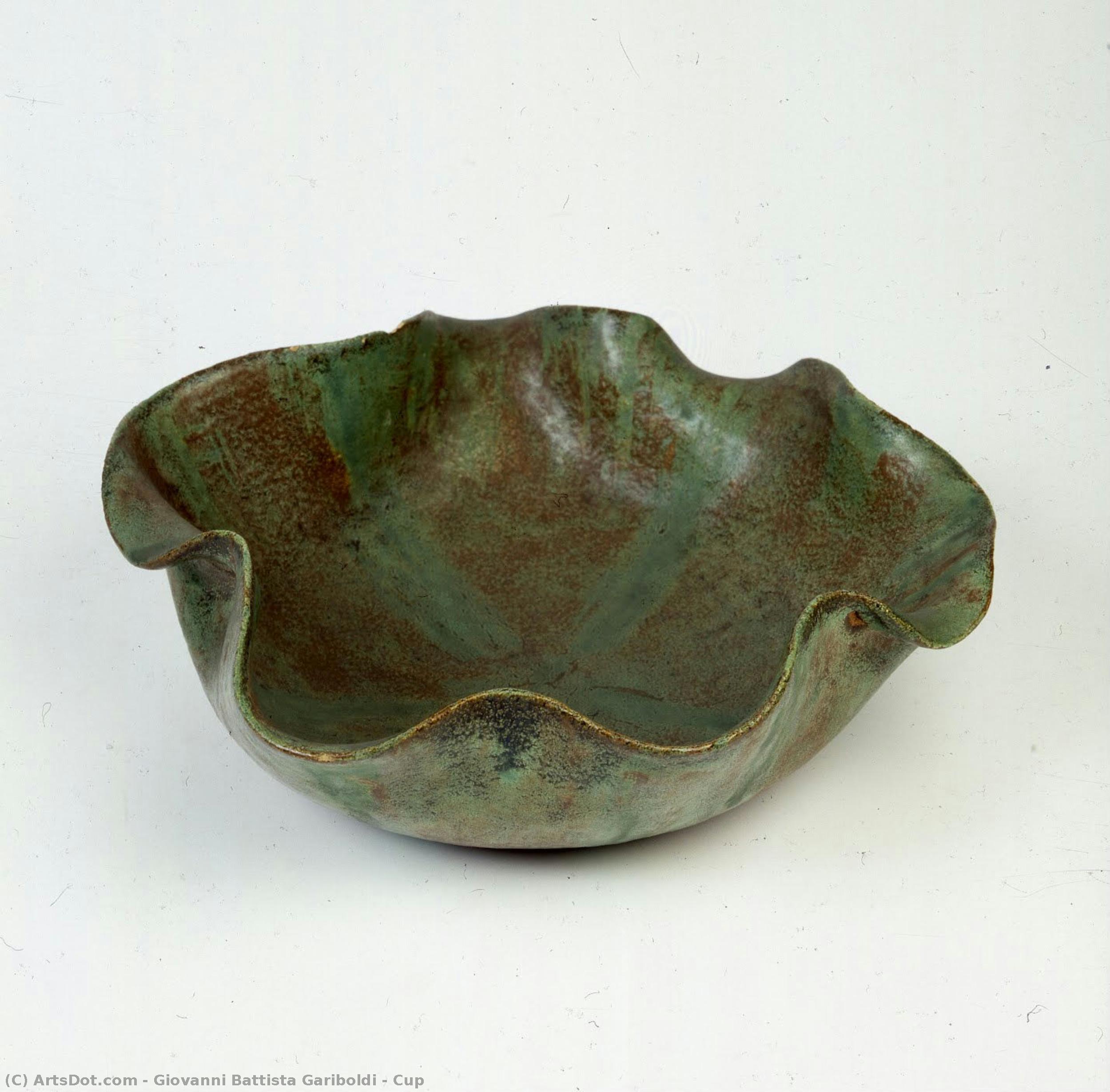
Giovanni Battista Gariboldi: Cup - A Study in Organic Texture and Serene Green
Giovanni Battista Gariboldi’s 1936 ceramic bowl stands as a testament to the enduring power of Italian craftsmanship and a masterful exploration of natural forms. More than just tableware, it embodies a deliberate aesthetic choice—a commitment to capturing the essence of organic beauty within a meticulously crafted medium.
- Subject Matter: The bowl’s central focus is simplicity itself: a single ceramic vessel designed to hold liquid. However, its unassuming appearance belies a profound consideration for visual harmony and textural richness.
- Style: Gariboldi's work aligns squarely with the principles of ceramic art—a tradition rooted in ancient techniques and celebrated for its ability to transform raw materials into objects of enduring elegance. Influenced by Art Deco sensibilities, it leans towards geometric forms softened by organic contours.
- Technique: The bowl’s surface is achieved through a painstaking process of hand-building – likely utilizing coil construction—followed by careful glazing application. This technique ensures that every piece possesses unique variations in tone and texture, reflecting the inherent irregularities of natural materials.
The glaze itself contributes significantly to the overall impression. Gariboldi skillfully employs a palette dominated by shades of green – from deep olive tones reminiscent of ancient woodlands to lighter hues suggestive of tranquil lagoons. These colors aren’t merely decorative; they evoke feelings of serenity and connection with the natural world.
Historical Context: Created in 1936, Gariboldi's bowl reflects the broader artistic currents of its time—a period marked by a renewed interest in organic forms and a desire to express emotion through visual language. It stands as an exemplar of Italian ceramic art during the Fascist era, showcasing a dedication to tradition while embracing stylistic innovations.
Symbolism: The bowl’s textured surface – resembling a leaf or petal – speaks to themes of growth, fragility, and renewal. These symbols resonate deeply within Pre-Raphaelite aesthetics—a movement that championed idealized beauty and sought inspiration in medieval myths and legends. Gariboldi's piece invites contemplation on the relationship between humanity and nature.
Emotional Impact: Viewing Gariboldi’s bowl is an experience of quiet contemplation. Its understated elegance and harmonious color palette inspire a sense of calm and appreciation for artisanal skill—a reminder that beauty can be found in simplicity and that objects crafted with care hold profound emotional resonance.
Konstnärsbiografi
Edward Burne-Jones: A Dreamer of Myth and Beauty
Born in Birmingham in 1833, Edward Burne-Jones was more than just a painter; he was a conjurer of dreams, a weaver of mythic tapestries brought to life on canvas. His art, deeply rooted in the Pre-Raphaelite movement yet possessing a uniquely personal vision, captivated audiences and continues to enthrall viewers today. From his early days studying at Oxford University, initially with aspirations for the priesthood, Burne-Jones’s path swiftly diverged towards the intoxicating world of artistic creation, guided by the influential mentorship of William Morris and, crucially, Rossetti.
Rossetti's profound impact shaped Burne-Jones’s aesthetic. He rejected the perceived artificiality of academic painting, embracing instead a style characterized by rich color, intricate detail, and a fascination with medieval and Arthurian legends. Unlike his Pre-Raphaelite contemporaries who often focused on contemporary subjects, Burne-Jones sought inspiration in the distant past—in Botticelli’s graceful figures and the timeless narratives of classical mythology. His palette was bold and luminous, favoring deep reds, blues, and golds, creating a sense of otherworldly beauty and dramatic intensity.
- Key Subjects: Burne-Jones consistently returned to themes of chivalry, romance, and tragedy – particularly those drawn from the legends of King Arthur and the stories of classical antiquity.
- Technique: He employed a meticulous technique, layering paint with remarkable precision to achieve textures that seemed both solid and ethereal. His figures possessed an almost sculpted quality, imbued with a sense of timelessness.
- Influence: Burne-Jones’s work profoundly influenced the Symbolist movement in France, inspiring artists like Gustave Moreau with his evocative imagery and symbolic use of color.
The Early Years and Artistic Development
Burne-Jones's artistic journey began not within formal academies but through self-directed study and a deep immersion in the visual arts. He eschewed the rigid structures of traditional art education, preferring to learn by observing and imitating masters like Botticelli. This unconventional approach fostered a distinctive style—one that prioritized emotional resonance over strict adherence to academic rules. His early works, such as *The Legend of Perseus*, demonstrated his burgeoning talent for capturing dramatic narratives with a heightened sense of color and form.
Crucially, Burne-Jones’s artistic development was inextricably linked to the vibrant social and intellectual circles of London during the mid-19th century. He engaged in lively debates about art and literature alongside figures like Morris, Rossetti, and Dante Gabriel Rossetti, absorbing new ideas and refining his own artistic vision. This period witnessed a flourishing of Pre-Raphaelite activity, with artists experimenting with innovative techniques and challenging conventional notions of beauty.
Major Works and Recognition
Burne-Jones’s career gained significant momentum in 1877 with the opening of the Grosvenor Gallery, where he unveiled a series of large-scale paintings that immediately captivated the public. These works—including *The Legend of King Arthur*, *Sir Percival at the Grail*, and *Sleeping Beauty*—were lauded for their dramatic intensity, exquisite detail, and evocative atmosphere. The success of these exhibitions catapulted Burne-Jones to international fame, establishing him as one of the leading artists of his generation.
- The Legend of King Arthur: This monumental work, depicting a pivotal moment from the Arthurian cycle, exemplifies Burne-Jones’s mastery of composition and color.
- Sleeping Beauty: A poignant portrayal of innocence and vulnerability, this painting showcases Burne-Jones's ability to convey complex emotions through subtle gestures and expressions.
- Sir Percival at the Grail: This iconic image captures the mystical journey of Sir Percival as he seeks the Holy Grail, demonstrating Burne-Jones’s skill in creating a sense of otherworldly beauty and spiritual significance.
Legacy and Historical Significance
Despite initial acclaim, Burne-Jones's reputation experienced a decline after his death in 1898, partly due to critical backlash against the perceived melodrama of his work. However, in the mid-20th century, his art was rediscovered and reevaluated, leading to a resurgence of interest in his paintings. Today, Edward Burne-Jones is recognized as one of the most important figures in Pre-Raphaelite art—a visionary painter who captured the imagination with his dreamlike depictions of mythic tales and timeless beauty.
His influence extends beyond the realm of painting, impacting areas such as design, illustration, and decorative arts. Burne-Jones’s work continues to inspire artists and designers today, demonstrating the enduring power of his artistic vision and his ability to transport viewers to a world of enchantment and wonder. His legacy resides not only in the masterpieces he created but also in the profound impact he had on the course of art history.

giovanni battista gariboldi
1833 - 1908

