

The Fogg Art Museum: A Window into Western Artistic Evolution
Nestled within the historic heart of Cambridge, Massachusetts, the Fogg Art Museum at Harvard University stands as a remarkable testament to centuries of artistic achievement. More than simply a repository of paintings and sculptures, the Fogg is a dynamic space where art history unfolds, inviting visitors on a journey through Western civilization’s most influential movements – from the delicate brushstrokes of the Renaissance to the vibrant energy of Impressionism and beyond. Established in 1895, the museum's origins lie not solely in collecting, but in fostering a deeper understanding of visual arts through teaching and scholarly research, a philosophy that continues to shape its approach today.
The museum’s collection is remarkably diverse, boasting over 250,000 objects spanning from antiquity to the present. Central to the Fogg's identity are its world-renowned holdings of Italian Renaissance masterpieces – Botticelli’s ethereal “Birth of Venus,” a work that embodies the era’s fascination with classical mythology and idealized beauty, sits alongside works by Raphael, Leonardo da Vinci (represented through exceptional drawings), and Michelangelo. However, the Fogg’s narrative doesn't stop there. A significant portion of its collection is devoted to British Pre-Raphaelite art, a movement characterized by its romanticism, meticulous detail, and often symbolic imagery – exemplified by works by Dante Gabriel Rossetti and John Everett Millais. The museum also houses an impressive array of French 19th-century paintings, including works by Delacroix, Manet, and Degas, offering a crucial bridge to the burgeoning Impressionist movement. And, crucially, the Fogg’s American collection provides a vital lens through which to understand the development of art in North America, showcasing artists like Winslow Homer and John Singer Sargent.
A Building Steeped in History and Architectural Significance
The Fogg Museum's physical space is as captivating as its collection. Originally housed within a stunning Italian Renaissance-style building designed by Richard Morris Hunt, the museum’s original structure was demolished in 1974 to make way for new student housing. However, the spirit of the original design lives on through the magnificent façade that remains – a graceful example of Beaux-Arts architecture, complete with intricate detailing and a sense of grandeur. The current building, designed by renowned architect Renzo Piano, opened in 2014 after a transformative renovation project. Piano’s design seamlessly integrates modern elements with the museum's historic roots, creating a light-filled, airy space that maximizes gallery space while preserving the building’s original character. The most striking feature is undoubtedly the expansive glass roof, which floods the galleries with natural light and offers stunning views of the surrounding campus – a clever juxtaposition of old and new.
Exhibitions and Ongoing Discoveries
The Fogg Art Museum isn't static; it’s a vibrant center for artistic engagement. The museum regularly hosts temporary exhibitions that delve into specific themes, movements, or artists within its vast collection. These exhibitions often provide fresh perspectives on familiar works, revealing hidden details and offering new interpretations. Recent exhibitions have explored the influence of Japanese prints on Western art, examined the role of photography in shaping visual culture, and celebrated the work of overlooked female artists. Beyond these curated shows, the Fogg’s permanent collection is constantly being re-evaluated and presented in innovative ways, ensuring that there's always something new to discover for returning visitors.
A Legacy of Scholarship and Artistic Appreciation
What truly distinguishes the Fogg Art Museum is its enduring commitment to art historical scholarship. The museum’s research centers – including the Center for the Technical Study of Modern Art – play a vital role in preserving, researching, and understanding the materials and techniques used by artists throughout history. The Fogg also maintains an extensive archive of drawings and prints, providing invaluable resources for scholars and students alike. More than just a museum, the Fogg is a living laboratory where art is studied, debated, and celebrated – a place dedicated to fostering a lifelong appreciation for the power and beauty of visual art.
The Fogg’s Appeal for Interior Designers & Collectors
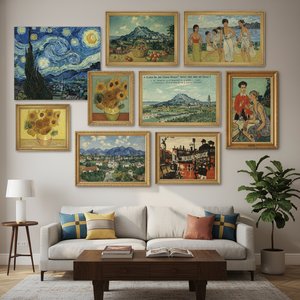
For interior designers seeking inspiration, the Fogg offers an unparalleled source of artistic reference. The museum's collection provides a rich tapestry of styles, periods, and techniques – from the opulent grandeur of Baroque interiors to the delicate elegance of Rococo design. The museum’s holdings also provide valuable insights into color palettes, composition, and decorative motifs that can be translated into contemporary spaces. Collectors seeking exceptional works of art will find the Fogg a treasure trove of opportunities, with pieces available through its lending program and occasional sales. The museum's dedication to provenance and scholarship ensures that all acquisitions are handled with the utmost care and respect for artistic heritage.