
A Legacy Forged in Experimentation: The Bauhaus Dessau Foundation
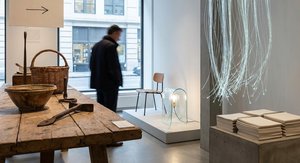
Nestled within the meticulously restored Bauhaus building itself, the Bauhaus Dessau Foundation isn’t merely a museum; it’s an immersive experience. Established in 1994 to safeguard and propagate the radical ideas of Walter Gropius’ legendary school, this institution stands as a testament to a pivotal moment in architectural and design history. More than just showcasing finished products, the Foundation delves into the *process* of creation – the interplay between art, architecture, technology, and social theory that defined the Bauhaus ethos. The building itself, a masterpiece of functionalist design, immediately establishes this atmosphere; its stark lines, expansive glass walls, and carefully considered spatial relationships invite exploration and contemplation. It’s a space designed to stimulate thought, mirroring the very principles championed by the Bauhaus movement.
The Foundation's core mission is threefold: preservation, research, and education. It diligently maintains the building’s original fabric, ensuring that future generations can appreciate its groundbreaking design. Simultaneously, it conducts rigorous scholarly research into the Bauhaus’ diverse practices – from furniture design and typography to stagecraft and urban planning. And crucially, it offers a dynamic program of exhibitions, workshops, lectures, and performances, fostering dialogue between past and present, tradition and innovation.
The Collection: Beyond Iconic Objects
While iconic pieces like Marcel Breuer’s Wassily Chair undoubtedly draw crowds, the Foundation's collection extends far beyond these instantly recognizable symbols. It’s a remarkably comprehensive archive encompassing not just finished objects but also preliminary sketches, drafts, models, and correspondence – offering an unparalleled glimpse into the creative process itself. A particular highlight is the extensive documentation of the “Versuchsstätte” (experimental workshop), where students explored new materials, techniques, and spatial configurations under the guidance of master craftsmen and artists.
- Early Bauhaus Drawings: A remarkable collection of preparatory sketches reveals the iterative nature of design at the school – a constant process of refinement and experimentation.
- Furniture Prototypes: Witness the evolution of iconic designs, from initial models to fully realized pieces, showcasing the ingenuity and resourcefulness of Bauhaus craftsmen.
- Stagecraft & Lighting Designs: Explore the innovative use of light and space in theatrical productions, demonstrating the Bauhaus’ commitment to integrating art and technology.
- Architectural Models: Examine meticulously crafted scale models that illustrate Gropius' visionary approach to building design – a synthesis of form and function.
Crucially, the collection isn’t presented as a static display; it’s integrated into broader exhibitions that contextualize each object within its historical and intellectual framework.
Architecture as Art: The Bauhaus Building Itself
The Bauhaus building itself is arguably the most significant artwork within the Foundation's holdings. Designed by Walter Gropius, it represents a radical departure from traditional architectural conventions – a testament to the Bauhaus’ belief in “form follows function.” The building’s open floor plan, expansive glazing, and carefully considered use of natural light create a dynamic and flexible space that fostered collaboration and experimentation.
Beyond its aesthetic qualities, the building is also a remarkable feat of engineering – incorporating innovative technologies such as a central heating system and a sophisticated lighting design. It’s a living laboratory, constantly evolving through ongoing research and adaptation. The Foundation actively engages in preserving and restoring the building's original features while simultaneously exploring new ways to utilize its unique spatial qualities.
Exhibitions & Events: A Living Dialogue with the Past
The Bauhaus Dessau Foundation’s program of exhibitions and events is a cornerstone of its mission. These offerings aren’t merely retrospective displays; they actively engage with contemporary issues, exploring the enduring relevance of the Bauhaus’ ideas in the 21st century. Recent exhibitions have tackled themes such as sustainability, urban design, and digital culture, demonstrating how the Bauhaus’ principles can inform solutions to pressing global challenges.
- “Versuchsstätte Bauhaus. The Collection” (2019-2026): This landmark exhibition provides a comprehensive overview of the school's experimental workshop, revealing the diverse range of materials and techniques explored by students and teachers.
- Annual Bauhaus Festival: A vibrant celebration of Bauhaus culture, featuring concerts, performances, workshops, and lectures.
- Thematic Exhibitions: Regularly scheduled exhibitions explore specific aspects of the Bauhaus’ legacy – from furniture design to typography to stagecraft.
Furthermore, the Foundation hosts a range of educational programs, including workshops for children and adults, offering hands-on experiences that connect visitors with the principles of Bauhaus design.
A visit here isn't simply about seeing objects; it’s about experiencing an idea—the belief that art, architecture, and society can be profoundly intertwined.