


1


Ažurirano: новембар 2026 · rangirano prema našem koeficijentu popularnosti (pretrage, posete i porudžbine za svako delo) · 13 dela Gaspar de Witte u našem katalogu
Ukratko
Interior of an Art Collector's Cabinet with Many Visitors (1639) je slika autora Gaspar de Witte koja privlači najviše pažnje; original se nalazi u muzeju Musée Girodet, Montargis. Nakon toga, pogled se seli na The Allegorical Female Figures Nature and Pictura in an Art Collection, with Representative Antwerp Canvasses (1639) i Jesus Heals the Centurion's Servant (1650). Među 13 dela umetnika Gaspar de Witte u našem katalogu, ovih 13 su najpoznatija, od kojih je svako jedinstveni original predstavljen sa godinom nastanka, muzejom i razlogom zbog kojeg je i danas neprocenjivo.


8 muzeja u kojima se nalazi najviše slika sa ove stranice.
| Muzej | Grad | Radovi umetnika Gaspar de Witte | Slike iz ovog spiska |
|---|---|---|---|
 Bavarske državne slikopisne kolekcije |
Minhen | 3 | Hilly Landscape, Hilly Landscape, Mountain Landscape |
 Kraljevski muzej lepih umetnosti u Antverpenu |
Antverpen | 2 | Christ Healing the Blind Man at Jericho, The Fortune-Teller |
 Musée Girodet |
Montargis | 1 | Interior of an Art Collector's Cabinet with Many Visitors |
 Rockox House |
Antverp | 1 | Jesus Heals the Centurion's Servant |
 Ermitaž |
Sankt Peterburg | 1 | Concert in the Park |
 Kingston Lacy |
Wimborne Minster | 1 | A Rocky Wooded Landscape with a Figure on a Path |
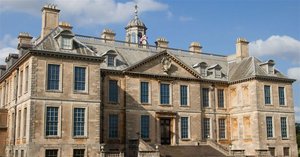 Belton House |
Grantham | 1 | Classical Landscape with Travellers and a River |
 Noordbrabants Museum |
's-Hertogenbosch | 1 | Still Life with Tulips, Carnations and Other Flowers in a Vase |
Izaberite deceniju da biste videli original koji je definiše.
Interior of an Art Collector's Cabinet with Many Visitors (1639), Musée Girodet, Montargis. Slede The Allegorical Female Figures Nature and Pictura in an Art Collection, with Representative Antwerp Canvasses (1639) i Jesus Heals the Centurion's Servant (1650).
15 godina: Interior of an Art Collector's Cabinet with Many Visitors datira iz 1639, a Gaspar de Witte je rođen/a 1624.
Interior of an Art Collector's Cabinet with Many Visitors, The Allegorical Female Figures Nature and Pictura in an Art Collection, with Representative Antwerp Canvasses, Jesus Heals the Centurion's Servant, Christ Healing the Blind Man at Jericho, Hilly Landscape, Hilly Landscape, Mountain Landscape, Italian Landscape with Herdsman, Concert in the Park i A Rocky Wooded Landscape with a Figure on a Path. Gornji rang pokazuje godinu i muzej za svako od njih.
Naš katalog sadrži 13 dela umetnika Gaspar de Witte, datiranih od 1639 do 1671.
Većinom u Bavarske državne slikopisne kolekcije (Minhen), Kraljevski muzej lepih umetnosti u Antverpenu (Antverpen) i Musée Girodet (Montargis). Tabela muzeja iznad sadrži njih sve.
U 1650s: 6 od 13 dela na ovoj stranici nastalo je tada, od čega je Jesus Heals the Centurion's Servant.
Na ovoj stranici, najstarije delo je iz Interior of an Art Collector's Cabinet with Many Visitors (1639), a najnovije iz Christ Healing the Blind Man at Jericho (1671).
Hilly Landscape, Hilly Landscape i Mountain Landscape: Bavarske državne slikopisne kolekcije, Minhen čuva 3 dela sa ove stranice.
Born in Antwerp, Belgium, Gaspar de Witte was a member of a prominent painting family. He was the son of Peter de Witte II and Barbara Remeeus, and his brothers, Peter de Witte III and Jan Baptist de Witte, were also painters. After training under his father, who specialized in landscapes, church interiors, and religious paintings, de Witte traveled to Rome in 1646. During his time there, he joined the Bentvueghels, an association of Dutch and Flemish artists, where he was given the nickname Grondel. Following a period in France around 1648, he returned to Antwerp and became a "winemaster" in the Antwerp Guild of Saint Luke in 1650. He also operated a small trading business for painting necessities and served as a teacher to Cornelis Huysmans.
De Witte is primarily remembered for his landscapes and his contributions to the genre of gallery paintings. His landscapes often featured pastoral scenes with shepherds, religious themes, or genre scenes such as village fairs and dances. While many of his works were not in the Italianate style, he frequently included Italian antique relics to suit local tastes. He often collaborated with other artists to provide staffage for his compositions, including works with Anton Goubau and Gonzales Coques. Notable examples include:
In the realm of gallery paintings, de Witte participated in complex compositions depicting elegant rooms filled with art and precious items. He is also identified as the likely painter of the allegorical work The allegorical female figures Nature and Pictura in an art-collection, which features personifications of Plenty and Painting alongside symbols of the Arts and the transient nature of war.


