


1


Ažurirano: новембар 2026 · rangirano prema našem koeficijentu popularnosti (pretrage, posete i porudžbine za svako delo) · 21 dela Cornelis de Wael u našem katalogu
Ukratko
Za ljubitelje galerije, najpoznatije delo umetnika Cornelis de Wael je Crossing of the Red Sea (1630), čiji se original nalazi u muzeju Kunsthistorisches Museum, Beč. Group of men on horseback (1640) i Carnival (1640) čine triju koju svako oko prepoznaje. Od 21 dela umetnika Cornelis de Wael u našem katalogu, galerija u nastavku predstavlja 21 najpoznatijih dela, od kojih je svako originalno, sa navedenom godinom nastanka, muzejom i onim što ga čini jedinstvenim.


 A Camp By The RuinsErmitaž
12
 The horsemen
13
 To Visit The SickErmitaž
14
 Lucas And Cornelius Van Wael
15
 Portrait Of The Brothers De WaelKapitolinski muzeji
16
 To Visit The ImprisonedMusei di Strada Nuova
17
 Merchant of wine Cornelius de Wael
18
 Bitka Pred Utrjenim Mestom
19
 L'atrio Dell'ospedale Di Pammatone Di Genova Durante La
20
 Soldiers before a Tavern
21
 Officers Of The St. George Civic GuardFrans Hals Museum
8 muzeja u kojima se nalazi najviše slika sa ove stranice.
| Muzeji | Grad | Radovi umetnika Cornelis de Wael | Slike iz ovog spiska |
|---|---|---|---|
 Ermitaž |
Sankt Peterburg | 4 | Carnival, Distribution of Bread, A Camp By The Ruins |
 Herzog Anton Ulrich Museum |
Brunsvik | 2 | Chariots and a soldiers resting in a landscape, Winter landscape with robbers and their booty outside a town |
 Kunsthistorisches Museum |
Beč | 1 | Crossing of the Red Sea |
 Gemäldegalerie Alte Meister im Schloss Wilhelmshöhe |
Kassel | 1 | Group of men on horseback |
 Rubens House |
Antwerpen | 1 | The Joyous Entry of Cardinal-Infante Ferdinand of Austria in Antwerp on 15 April 1635 |
 Музеј Прадо |
Мадрид | 1 | Landing and combat |
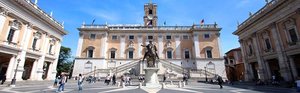 Kapitolinski muzeji |
Rim | 1 | Portrait Of The Brothers De Wael |
 Musei di Strada Nuova |
Ženova | 1 | To Visit The Imprisoned |
Izaberite deceniju da biste videli original koji je definiše.
Crossing of the Red Sea (1630), Kunsthistorisches Museum, Beč. Slede Group of men on horseback (1640) i Carnival (1640).
38 godina: Crossing of the Red Sea datira iz 1630, a Cornelis de Wael je rođen/a 1592.
Crossing of the Red Sea, Group of men on horseback, Carnival, Chariots and a soldiers resting in a landscape, Italian Pauperism, Harbour Scene, Distribution of Bread, Winter landscape with robbers and their booty outside a town, The Joyous Entry of Cardinal-Infante Ferdinand of Austria in Antwerp on 15 April 1635 i Landing and combat. Gornji rang pokazuje godinu i muzej za svako od njih.
Naš katalog sadrži 21 dela umetnika Cornelis de Wael, datiranih od 1630 do 1660.
Većinom u Ermitaž (Sankt Peterburg), Herzog Anton Ulrich Museum (Brunsvik) i Kunsthistorisches Museum (Beč). Tabela muzeja iznad sadrži njih sve.
U 1640s: 4 od 21 dela na ovoj stranici nastalo je tada, od čega je Group of men on horseback.
Na ovoj stranici, najstarije delo je iz Crossing of the Red Sea (1630), a najnovije iz Harbour Scene (1660).
Carnival, Distribution of Bread i A Camp By The Ruins: Ermitaž, Sankt Peterburg čuva 4 dela sa ove stranice.
In the vibrant, swirling currents of the seventeenth-century art world, few figures embodied the spirit of international exchange as gracefully as Cornelis de Wael. Born in the illustrious artistic hub of Antwerp in 1592, De Wael was a child of tradition, descending from a lineage where every breath seemed steeped in pigment and parchment. His father, Jan de Wael I, was a respected painter, and his maternal heritage connected him to the great cartographer Gerard de Jode. This rich, ancestral tapestry of Flemish craftsmanship provided the foundation upon which he would build a career that transcended borders, eventually making him a central pillar of the artistic community in Genoa.
The trajectory of De Wael’s life changed irrevocably in 1619 when he and his brother, Lucas, embarked on a transformative journey toward Italy. While many artists of the era sought the daunting competition of Rome or Venice, De Wael found a unique sanctuary in Genoa. This thriving Mediterranean port city offered a landscape of immense commercial wealth and a slightly less crowded stage for emerging masters. It was here that Cornelis did not merely practice his craft but became an architect of culture. He established a workshop that functioned as much more than a studio; it was a vital embassy for Flemish artists, providing lodging, materials, and the essential social scaffolding required to navigate the complexities of Italian patronage.
De Wael’s artistic repertoire was as diverse as the merchants who frequented the docks of Genoa. He possessed a remarkable ability to pivot between the grandiosity of history paintings and the intimate, often gritty realism of genre scenes. His works frequently captured the kinetic energy of battle scenes—naval skirmishes and cavalry charges rendered with a meticulous eye for movement and drama—as well as the quiet, reflective stillness of still lifes. There is an inherent irony and occasionally a profound sense of despair in his compositions that would later resonate through the works of local masters like Alessandro Magnasco.
Beyond the canvas, De Wael’s influence was cemented through his role as a merchant and art dealer. He understood the mechanics of the art market, facilitating the flow of luxury goods and masterpieces between Flanders and Italy. This dual identity as both creator and curator allowed him to shape the tastes of his era. His workshop became a legendary meeting point where the meticulous detail of the Northern tradition met the luminous, atmospheric grandeur of the Italian Baroque. It was within this collaborative ecosystem that he hosted luminaries such as Anthony van Dyck, serving as one of the great painter's closest collaborators during his Genoese sojourn.
The historical significance of Cornelis de Wael lies in his role as a cultural conduit. He was not merely a witness to the artistic Renaissance of the seventeenth century but an active participant in its globalization. Through his efforts, the technical precision of the Antwerp school was infused into the Mediterranean aesthetic, creating a hybrid style that enriched the European canon. His membership in the prestigious Accademia di San Luca in Rome stands as a testament to the high regard in which his talent was held by the most rigorous critics of his day.
As we look back upon his life, we see an artist who mastered the art of connection. Whether through the brushstrokes that defined a chaotic sea battle or the business acumen that supported a generation of Flemish expatriates, De Wael ensured that the artistic dialogue between the North and the South remained unbroken. His legacy survives not only in the surviving canvases that grace museum walls today but in the very concept of the international artist—a figure capable of finding home in a foreign land and turning a workshop into a world.