
 Pregledaj u prostoru
 Pošalji
 Podeli
 Detalji o delu
 Vodič
Vodič

 Preuzmi
 Slični predmeti
 Rendgenski snimak
 Automatska prezentacija
 Pitanja i odgovori
 Statistika
Nymph

- 182.0 x 62.0 cm


 Pročitaj više
Nabavite datoteku spremnu za štampu koja nudi znatno veći kvalitet od onlajn pregleda. Svaka digitalna slika koju nudimo potiče iz visokorezolucičnog master fajla iz naše baze — obično širine od 5.000 do 15.000 piksela — što vam omogućava štampu u velikom formatu, precizno kadriranje ili bezbrižnu reprodukciju najfinijih detalja.
Nijedan fajl ne napušta naš studio netaknut. Digitalni stručnjak vrši proveru boja u odnosu na originalno delo i koriguje ih po potrebi, a zatim unapređuje jasnoću i detalje pomoću profesionalnih alata za retuširanje — uvek ostajući veran umetnikovim potezima četkice i stilu. Rezultat je slika koja izgleda kao pravo delo, a ne kao sken sa filterom.
Proverite i odobrite pre završetka: naš stručnjak vam šalje sliku putem e-pošte u roku od 72 sata na pregled. Niste zadovoljni? Zatražite poboljšanja ili ispravke, ili tražite povraćaj novca ukoliko kvalitet ne ispunjava vaša očekivanja.
Ovo je kvalitet kojem poverenje ukazuju izdavači, dizajnerski studiji, galerije i štamparije.
Digitalna slika
Preuzmite datoteku visoke rezolucije za ličnu upotrebu, štampanje i kreativne projekte. ( Pređi na štampu Kupite ručno oslikano delo)
Uključeno uz svaku porudžbinu digitalne slike
Profesionalna digitalna isporuka, zagarantovana
Kada odaberete OriginalUniqueArt.com, ne dobijate samo sliku – vi primate profesionalno unapređeno digitalno umetničko delo, izrađeno sa najvećom preciznošću i uz garanciju zadovoljstva. Evo svega što automatski dolazi uz vašu porudžbinu:

Brza dostava putem e-pošte
Vaša digitalna slika visoke rezolucije biće vam poslata putem e-pošte u roku od 72 sata od poručivanja – spremna za trenutnu upotrebu.

Digitalna datoteka unapređena veštačkom inteligencijom
Vaše umetničko delo je profesionalno optimizovano primenom naprednih AI alata i ručne obrade, čime se osiguravaju maksimalni detalji, oštrina i preciznost boja.

Besplatna doživotna ponovna isporuka
Slučajno ste obrisali ili izgubili svoju datoteku? Ne brinite – poslaćemo vam je ponovo u bilo kom trenutku, potpuno besplatno.

Bez troškova uvoza – zauvek
Uživajte u svojim umetničkim delima trenutno, bez carine, akciza ili troškova dostave – digitalni download je uvek bez poreza.

Garancija preciznosti boja
Uz pomoć profesionalnih alata i upravljanja bojama, osiguravamo da vaša digitalna slika što vernije odražava originalne boje.

Garancija zadovoljstva u roku od 100 dana
Ako niste zadovoljni svojom digitalnom slikom, izvršićemo reviziju ili ćemo vam vratiti 100% novca u roku od 100 dana – bez ikakvih pitanja.

100% garancija povrata novca
Niste zadovoljni? Dobijte puni povraćaj novca u roku od 100 dana od prijema digitalne datoteke – bez suvišnih pitanja.

Popusti na velike porudžbine
Kupite 3 slike, uštedite 10% - Kupite 5 slika, uštedite 15% - Kupite 10+ slika, uštedite 20%. Odlično za kreativne projekte, galerije i agencije.
Pitanja i odgovori
Odakle dolaze posetioci dela „Nymph”, autor Zheko Spiridonov?
Statistika za „Nymph”, autor Zheko Spiridonov dostupna je na stranici Statistika ovog umetničkog dela: mesečni broj poseta delu, broj poseta radovima umetnika, kao i pregled nedavnih posetilaca prema zemljama i jezicima.
Da li je "Nymph" ostalo u domovini svog umetnika?
Da – umetničko delo se čuva u matičnoj zemlji umetnika. Rodna zemlja umetnika Zheko Spiridonov je Bulgaria, dok se muzej u kojem se čuva original dela „Nymph” nalazi u državi Bulgaria.
Mogu li da vidim rendgenski prikaz dela „Nymph”, autor Zheko Spiridonov?
X-Ray prikaz dela „Nymph”, autor Zheko Spiridonov možete videti na stranici Rentgensko posmatranje: to je interaktivno istraživanje slike kroz jedanaest optičkih slojeva.
Biografija umetnika
Zheko Spiridonov: A Pioneer of Bulgarian Neoclassicism
Zheko Spiridonov (1867-1945) stands as a pivotal figure in the nascent art scene of post-liberation Bulgaria, a sculptor whose work bridged the gap between European academic traditions and the burgeoning national identity of his country. Born in Shumen, Bulgaria, Spiridonov’s journey to artistic prominence was marked by rigorous training and a dedication to both classical forms and the representation of Bulgarian history and culture. His career unfolded against the backdrop of significant social and political shifts, shaping him into one of the most important sculptors of his era. Spiridonov's early education began at the School of Ceramics in Bechyně, Czech Republic, a strategic placement chosen by the Ministry of Enlightenment to expose him to European artistic practices. This initial exposure proved invaluable, providing a foundation in technical skill and an understanding of classical modeling techniques. However, his true artistic development accelerated with his subsequent studies at the Munich Academy of Fine Arts, where he graduated with a silver medal – a testament to his burgeoning talent and adherence to the rigorous standards of the academic school. The influence of Munich is undeniable in his later work; Spiridonov embraced the neoclassical style prevalent in the city, characterized by its emphasis on idealized forms, precise detail, and a sense of dignified restraint. This stylistic choice reflected both a conscious effort to emulate established European masters and a desire to imbue Bulgarian sculpture with an air of authority and timelessness. Following his graduation, Spiridonov returned to Bulgaria and quickly ascended to positions of influence within the country’s developing artistic landscape. He became one of the first lecturers and professors at the newly established State School of Drawing in Sofia (later the National Academy of Art), a role he held on three separate occasions, demonstrating his commitment to nurturing future generations of artists. Beyond his teaching duties, Spiridonov distinguished himself through a series of significant commissions – most notably, the creation of representative easel portraits executed in the spirit of Munich academicism. These portraits, often depicting national revival leaders and revolutionary figures, served as powerful visual narratives of Bulgaria’s historical trajectory. He also carved a gallery of bust monuments honoring key personalities from the National Revival period, solidifying his reputation as a sculptor deeply invested in shaping Bulgaria's cultural identity. Notably, Spiridonov was among the first Bulgarian sculptors to venture into depicting nudes in the neoclassical style, a bold move that challenged prevailing artistic conventions and signaled a shift towards greater realism and humanism within Bulgarian sculpture.Early Influences and Artistic Style
Spiridonov’s artistic development can be traced back to several key influences. The Munich Academy provided him with the technical skills and formal training essential for mastering classical sculpting techniques. However, his exposure to Czech ceramics instilled in him an appreciation for craftsmanship and attention to detail. Furthermore, he was deeply influenced by the prevailing neoclassical style of the 19th century, characterized by its emphasis on idealized forms, balanced compositions, and a sense of timelessness. This stylistic choice is evident in many of his works, particularly his portraits and bust monuments, which often depict subjects with an air of dignified solemnity and classical beauty. His work demonstrates a remarkable ability to capture the essence of his subjects while adhering to the principles of neoclassical sculpture.Key Works and Historical Significance
Spiridonov’s artistic output encompasses a diverse range of projects, each contributing to the evolution of Bulgarian sculpture. His portraits, particularly those depicting figures from the National Revival period, are considered masterpieces of their genre. These works not only capture the likenesses of historical figures but also convey their personalities and ideals with remarkable skill. The bust monuments he created – honoring revolutionaries, intellectuals, and cultural leaders – played a crucial role in shaping Bulgaria’s collective memory and celebrating its national heritage. His work on the monument to Vasil Levski in Karlovo is particularly noteworthy, embodying the spirit of Bulgarian resistance and sacrifice. Beyond these monumental works, Spiridonov's early nudes, executed with a sensitivity rarely seen in contemporary sculpture, represented a significant step forward for Bulgarian art, demonstrating his willingness to challenge artistic conventions and explore new avenues of expression.Legacy and Lasting Impact
Zheko Spiridonov’s contribution to Bulgarian art is profound and enduring. He played a pivotal role in establishing the foundations of modern sculpture in post-liberation Bulgaria, introducing European academic traditions while simultaneously forging a distinctly Bulgarian artistic voice. His influence extended beyond his own creations; he mentored generations of artists at the National Academy of Art, shaping the course of Bulgarian sculpture for decades to come. His work continues to be studied and admired today, serving as a testament to his skill, vision, and dedication to the art of sculpting. He remains a key figure in understanding the development of Bulgarian artistic identity during a period of significant social and political transformation. His legacy is inextricably linked to the nation's efforts to define itself through art and culture.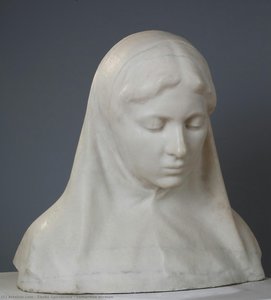
Zheko Spiridonov
1867 - 1945 , Bulgaria
Kratke informacije
- Full Name: Zheko Spiridonov
- Nationality: Bulgarian
- Date Of Birth: 1867
- Date Of Death: 1945
- Place Of Birth: Bulgaria
- Notable Artworks:
- Samaritan Woman
- Portrait of James Bourchier
- Artistic Movement Or Style: Neoclassical, Academic
- Artists Who Influenced This Artist:
- Munich Academy
- Zahari Zograf
- Artists Or Movements Influenced By This Artist:
- Munich Academic School
- National Revival Bulgaria