
 Pregledaj u prostoru
 Podeli
 Podeli
 Detalji
 Vodič
Vodič

 Preuzmi sliku
 Slični predmeti
 Rendgenski snimak
 Automatska prezentacija
 Statistika
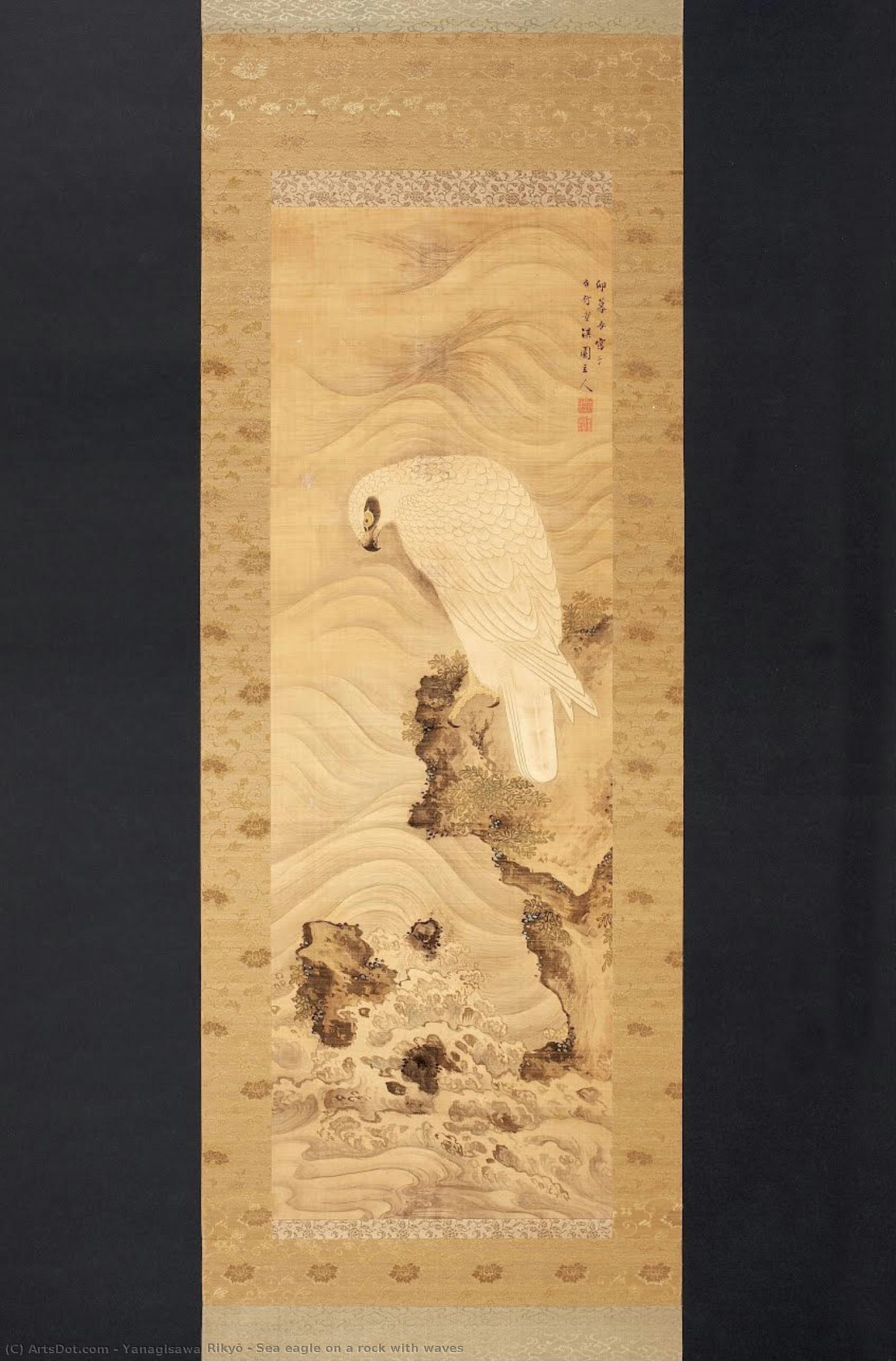
Sea eagle on a rock with waves
 48.0 x 182.0 cm
 Museum of Oriental Art
 Pročitaj više
Kupite digitalnu sliku visoke rezolucije i poboljšanog kvaliteta, koja je znatno superiornija od onoga što vidite u online prikazu.
Svaka datoteka je pedantno pripremljena od strane naših stručnjaka koristeći napredne alate i profesionalnu ručnu retušu. Osiguravamo da svaka slika ima izuzetnu oštrinu, preciznu reprodukciju boja i fine detalje.
Konačna datoteka se dostavlja putem e-pošte u roku od 72 sata, optimizovana za neposrednu upotrebu u profesionalnim, izdavačkim i štamparskim okruženjima. To je isti kvalitet kojem veruju vrhunski studiji dizajna, izdavači i galerije.
Digitalna slika
Preuzmite datoteku visoke rezolucije za ličnu upotrebu, štampanje i kreativne projekte. ( Pređi na prodaju štampanih primeraka Naručite ručno oslikano reprodukciju)
Uključeno uz svaku porudžbinu digitalne slike
Ekspertska digitalna isporuka, zagarantovana
Kada odaberete OriginalUniqueArt.com, ne dobijate samo sliku – vi primate profesionalno unapređeno digitalno umetničko delo, izrađeno sa najvećom preciznošću i uz garanciju zadovoljstva. Evo svega što automatski dolazi uz vašu porudžbinu:

Brza dostava putem e-pošte
Vaša digitalna slika visoke rezolucije biće vam poslata putem e-pošte u roku od 72 sata od poručivanja – spremna za trenutnu upotrebu.

Digitalna datoteka unapređena veštačkom inteligencijom
Vaše umetničko delo je profesionalno optimizovano primenom naprednih AI alata i ručne obrade, čime se osiguravaju maksimalni detalji, oštrina i preciznost boja.

Besplatna doživotna ponovna isporuka
Slučajno ste obrisali ili izgubili svoju datoteku? Ne brinite – poslaćemo vam je ponovo u bilo kom trenutku, potpuno besplatno.

Bez troškova uvoza – zauvek
Uživajte u svojim umetničkim delima trenutno, bez carine, akciza ili troškova dostave – digitalni download je uvek bez poreza.

Garancija preciznosti boja
Uz pomoć profesionalnih alata i upravljanja bojama, osiguravamo da vaša digitalna slika što vernije odražava originalne boje.

Garancija zadovoljstva u roku od 100 dana
Ako niste zadovoljni svojom digitalnom slikom, izvršićemo reviziju ili ćemo vam vratiti 100% novca u roku od 100 dana – bez ikakvih pitanja.

100% garancija povrata novca
Niste zadovoljni? Dobijte puni povraćaj novca u roku od 100 dana od prijema digitalne datoteke – bez suvišnih pitanja.

Popusti na velike porudžbine
Kupite 3 slike, uštedite 10% - Kupite 5 slika, uštedite 15% - Kupite 10+ slika, uštedite 20%. Odlično za kreativne projekte, galerije i agencije.
Biografija umetnika
Giambettino Cignaroli: Verona’s Rococo Master
Born in Verona on July 4th, 1706, Giambettino Cignaroli emerged as a pivotal figure in the artistic landscape of 18th-century Italy. His life and career were inextricably linked to his birthplace, where he not only established himself as the city’s leading painter but also played a crucial role in fostering its burgeoning art academy. Cignaroli's work represents a fascinating synthesis of classical ideals and Rococo sensibilities, reflecting both the enduring influence of the Renaissance and the vibrant spirit of his time. He was a prolific artist, producing a diverse body of work encompassing religious scenes, historical paintings, portraits, and decorative commissions – all executed with an elegant and refined style that secured his lasting legacy.
Cignaroli’s artistic journey began under the tutelage of Antonio Balestra (1666–1740), a prominent Veronese painter who championed the classical tradition. Balestra instilled in Cignaroli a deep appreciation for proportion, anatomy, and the meticulous rendering of detail – qualities that would become hallmarks of his own style. This early training provided a solid foundation upon which Cignaroli built his distinctive approach, characterized by a graceful composition, luminous color palettes, and an emphasis on conveying spiritual depth. Unlike some of his contemporaries who embraced the more flamboyant excesses of the Rococo movement, Cignaroli maintained a sense of restraint and dignity in his work, imbuing it with a quiet nobility.
Cignaroli’s artistic output spanned several decades, during which he honed his skills and gained recognition throughout Italy and beyond. He spent time working in Venice, Chioggia, Bergamo, and Brescia, absorbing influences from the diverse artistic traditions of these cities. His travels exposed him to new techniques and styles, further enriching his artistic vocabulary. However, Verona remained his primary base of operations, and it was here that he achieved his greatest renown. His paintings frequently depicted scenes from the Bible and lives of saints, often infused with a sense of serene contemplation and spiritual grace. He also produced historical works, showcasing heroic narratives and allegorical themes – demonstrating a versatility that cemented his position as a respected artist across various genres.
- Key Works: Notable paintings include *St. Martha*, *Madonna*, *The Death of Socrates*, and *The Death of Cato*. These works, now housed in institutions like the Bowes Museum, Barnard Castle, the Museo del Prado in Madrid, and the Szépművészeti Múzeum in Budapest, offer compelling insights into Cignaroli’s artistic development and stylistic preferences.
- Accademico di Verona: In 1766, Cignaroli was instrumental in establishing the Accademia Cignaroli di Pittura e Scultura (Cignaroli Academy of Painting and Sculpture) in Verona – a significant milestone in the city’s artistic history. As its Director for Life, he played a vital role in shaping the training of young artists and preserving the legacy of Veronese painting.
- Scholarly Pursuits: Beyond his artistic endeavors, Cignaroli was also a writer and historian. He authored a comprehensive history of painting in Verona (1749) and a biography of Balestra (1762), demonstrating a keen interest in the intellectual and cultural context of his time.
The Influence of Classical Ideals
Cignaroli’s artistic style was deeply rooted in classical principles, reflecting the enduring influence of Renaissance art on 18th-century Italy. He meticulously studied ancient sculptures and architectural ruins, seeking to emulate their harmonious proportions, balanced compositions, and idealized forms. This commitment to classical ideals is evident in his paintings' careful attention to anatomical accuracy, their restrained elegance, and their emphasis on conveying a sense of timeless beauty. However, Cignaroli’s approach was not simply imitative; he skillfully integrated classical motifs into a distinctly Rococo style, creating works that were both refined and emotionally engaging.
His use of light and shadow—chiaroscuro—was particularly masterful, contributing to the dramatic intensity of his religious scenes. He employed a subtle palette of colors, favoring muted tones and delicate gradations to create an atmosphere of serenity and spiritual contemplation. Furthermore, Cignaroli’s meticulous draftsmanship – honed through years of studying anatomy and perspective – ensured that every detail in his paintings was rendered with precision and clarity.
A Rococo Vision
While firmly grounded in classical principles, Cignaroli's work also embodies the key characteristics of the Rococo style. His paintings are characterized by a sense of grace, elegance, and playful charm – qualities that were highly valued during the 18th century. He incorporated elements of frivolity and ornamentation into his compositions, often depicting scenes of idyllic beauty and pastoral romance. However, unlike some of his more flamboyant contemporaries, Cignaroli maintained a sense of restraint and dignity in his use of Rococo motifs, ensuring that they served to enhance rather than overwhelm the overall aesthetic impact of his paintings.
The presence of cherubs, playful figures, and delicate floral arrangements—common features of the Rococo style—are present in many of Cignaroli’s works. These elements contribute to a sense of lightness and joy, while also reinforcing the artist's commitment to portraying beauty and harmony. His paintings are not merely decorative; they are imbued with a profound spiritual depth that elevates them beyond mere superficial charm.
Legacy and Historical Significance
Giambettino Cignaroli’s legacy extends far beyond his artistic achievements. He played a pivotal role in shaping the cultural identity of Verona, establishing its reputation as a center for art and learning. His establishment of the Accademia Cignaroli di Pittura e Scultura marked a turning point in the city's artistic development, providing a formal institution for training young artists and preserving the legacy of Veronese painting. His writings—including his history of painting and biography of Balestra—offer valuable insights into the intellectual and cultural context of his time.
Cignaroli’s work continues to be admired for its elegance, grace, and spiritual depth. He is remembered as one of Verona's greatest artists – a master of the Rococo style who skillfully blended classical ideals with contemporary sensibilities. His paintings serve as a testament to his artistic talent, intellectual curiosity, and enduring contribution to the cultural heritage of Italy.

yanagisawa rikyō
1706 - 1758