
 Pošalji
 Podeli
 Detalji o delu

 Преузми
 Slični predmeti
 Slajdovi
 Statistika
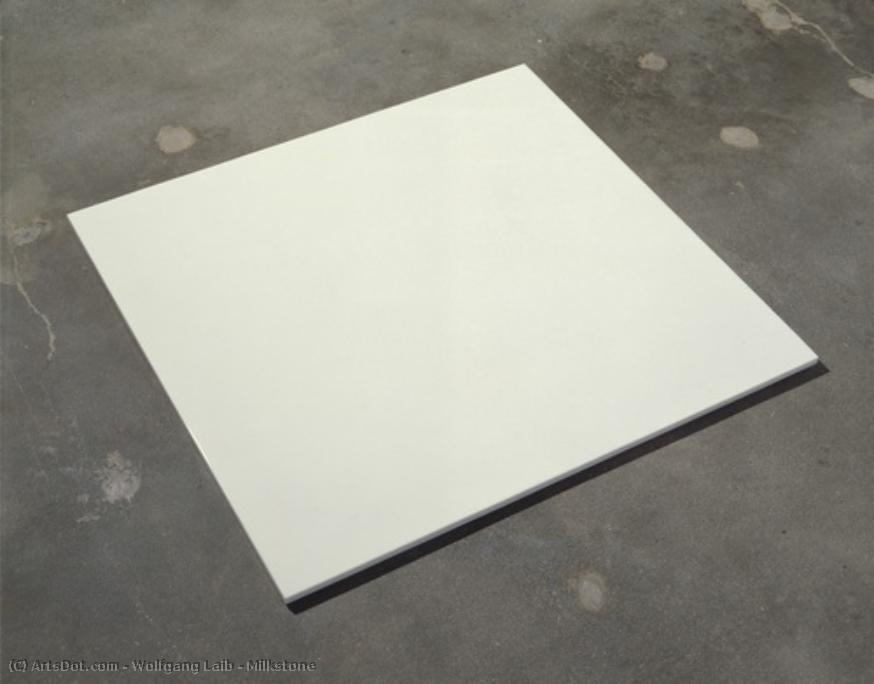
Milkstone


 Pročitaj više
Giclee štampa / Umetnički otisak
Giclée štampa ili print na platnu muzejskog kvaliteta uz brzu proizvodnju i fleksibilne opcije završne obrade. ( Kupi ručno naslikanu sliku Pređi na digitalnu sliku)




































Izaberite jednu od naših unapred definisanih veličina koje odgovaraju originalnim proporcijama umetničkog dela.

Možete uneti sopstvene dimenzije kako biste umetničko delo prilagodili specifičnom okviru ili prostoru. Ako odabrani format ne odgovara proporcijama originalne slike, mi ćemo ili iscrtati deo dela ili proširiti sliku pomoću ogledane ivice ili jednobojnog popunjavanja. Digitalni prikaz će vam biti poslat na odobrenje pre početka proizvodnje.
Imajte na umu da pregled na ekranu ne odražava stvarno iscrtavanje ili proširivanje. Samo će prikaz (mockup) precizno pokazati finalnu kompoziciju.
Iako su prilagođene dimenzije dostupne, preporučujemo da odaberete dimenziju sa unapred definisane liste kako biste očuvali originalne proporcije.
Dostava širom sveta () za 2 nedelje umesto uobičajenih 4/5 nedelja. (10 септембар)

Besplatna ekspresna dostava širom sveta

Visokokvalitetno laneno platno

Kompletno osiguranje transporta

Garancija povraćaja carine i uvoznih dažbina

Garancija vernosti boja

Politika povraćaja u roku od 100 dana (isključivo u slučaju nedostataka)

Garancija povrata novca od 100%

Popust pri grupnoj kupovini
 Opcija sa staklom dostupna je samo za dimenzije manje od 110 cm

Milkstone
Giclee štampa / Umetnički otisak
Dimenzije reprodukcije
-


Konačna cena
$ 80
Wolfgang Laib’s “Milkstone”: A Meditation on Materiality and Silence
“Milkstone,” created in 1987 by Wolfgang Laib, stands as a testament to the artist's unwavering commitment to minimalist aesthetics and profound contemplation of natural phenomena. This sculptural installation—a photograph capturing a solidified block of milk—immediately commands attention with its stark simplicity against a dark backdrop, inviting viewers into an exploration of form, texture, and subtle symbolic resonance. ### Conceptual Foundations & Influences Laib’s artistic sensibilities were deeply rooted in Taoist philosophy and Zen Buddhism, disciplines that championed stillness, observation, and the acceptance of inherent beauty within the natural world. These principles permeate his oeuvre, guiding him to prioritize fundamental elements—like the material itself—over elaborate ornamentation or representational imagery. Documenta 7 and Documenta 8, pivotal exhibitions marking Laib’s artistic breakthrough, solidified his position as a leading voice in Conceptual Art, demonstrating his ability to communicate complex ideas through deceptively simple visual forms. ### The Sculpture Itself: Form & Technique The “Milkstone” is constructed from solidified milk—a process meticulously controlled to achieve structural integrity while preserving the organic essence of its constituent material. Laib’s technique involves careful manipulation of temperature and humidity, transforming liquid into a crystalline solid that retains traces of its original state. The resulting block possesses a subtly granular surface texture, contrasting with the polished darkness of the floor beneath it—a deliberate juxtaposition designed to heighten visual perception and underscore the artwork's materiality. Its geometric form – a rectangular prism – embodies Laib’s fascination with precise lines and balanced proportions, reflecting the core tenets of Zen geometry. ### Symbolism & Emotional Resonance Beyond its formal qualities, “Milkstone” carries significant symbolic weight. Milk, universally recognized as nourishment and purity, evokes associations with infancy, vulnerability, and the regenerative power of nature. Laib’s work invites viewers to pause, consider, and contemplate these concepts—promoting a meditative experience that transcends mere visual appreciation. The piece speaks to an unspoken yearning for serenity and harmony, mirroring the artist's own quiet existence in rural Germany and his dedication to capturing moments of profound beauty. ### Context & Legacy “Milkstone” exemplifies Laib’s enduring contribution to Contemporary Art. Its minimalist aesthetic—characterized by its rejection of superfluous embellishments—resonates powerfully with the broader artistic movement of the 1980s, which sought to challenge conventional notions of representation and explore alternative modes of expression. Today, reproductions of “Milkstone” grace homes and galleries worldwide, serving as reminders of Laib’s unwavering belief in the transformative potential of art – a celebration of silence, geometry, and the enduring beauty of elemental materials.Biografija umetnika
The Sculptor of Silence and Elemental Essence
Born in Metzingen, Germany, in 1950, Wolfgang Laib has cultivated an artistic practice that transcends the boundaries of traditional sculpture, moving instead into the realm of pure, meditative experience. His work does not merely occupy space; it breathes with the rhythms of the natural world. Operating from a tranquil village in southern Germany while maintaining studios in New York City and South India, Laib’s life is a testament to the pursuit of stillness. This unique geographical duality—the structured precision of Europe meeting the spiritual depth of India—informs an aesthetic that seeks to find the eternal within the ephemeral.
Laib’s artistic journey was profoundly shaped by his early immersion in the philosophies of Taoism and Zen Buddhism. These ancient traditions provided him with a lens through which to view the universe, emphasizing simplicity, the beauty of natural forms, and the profound power of emptiness. Rather than imposing a human will upon his materials, Laib seeks a state of harmony, where the artist acts as a facilitator for the inherent qualities of the earth itself. This spiritual foundation is evident in every meticulously placed grain of pollen and every drop of milk that graces his monumental works.
Materiality and the Poetry of Nature
The hallmark of Laib’s oeuvre is his radical use of elemental, organic materials that challenge the conventional permanence of sculpture. He is perhaps most celebrated for his milkstones—monumental blocks of white marble that serve as a canvas for a single, delicate drop of milk. In these pieces, the cold, enduring weight of the stone meets the fragile, life-giving essence of the liquid, creating an evocative juxtaposition of purity and vulnerability. This subtle interplay serves as a meditation on nourishment, renewal, and the delicate balance of existence.
Beyond the marble, Laib’s use of pollen has become one of the most iconic expressions of contemporary Land Art. By collecting vast quantities of pollen and arranging them into precise, geometric fields, he creates installations that feel both cosmic and deeply terrestrial. These golden, velvety surfaces possess a luminous quality that seems to vibrate with life. A defining moment in his career was the presentation of his colossal pollen installation at the Museum of Modern Art (MoMA) in 2013, an achievement that showcased his ability to transform a museum's white cube into a sacred, breathing landscape.
Legacy and Global Recognition
Laib’s contribution to the contemporary art canon is marked by his ability to bridge the gap between the physical and the metaphysical. His participation in the prestigious Documenta 7 (1982) and Documenta 8 (1987) established him as a pivotal figure within the German Land Art movement, proving that sculpture could be found not just in earthworks, but in the very substances of life itself. His work has been recognized on the highest international stages, including representing Germany at the Venice Biennale.
The historical significance of Wolfgang Laib lies in his refusal to participate in the noise of the modern era, choosing instead to champion a quiet, profound minimalism. For his immense contributions to the arts, he has been honored with the Praemium Imperiale, one of the highest honors in the art world. His legacy continues to inspire those who seek meaning in the subtle textures of the natural world, reminding us that true greatness often resides in the most delicate and silent of gestures.

Wolfgang Laib
1950 - , Germany
Osnovne informacije
- Artistic Movement Or Style: Minimalist Sculpture
- Date Of Birth: 1950
- Full Name: Wolfgang Laib
- Nationality: German
- Notable Artworks:
- Untitled
- A Wax Room for a Mountain
- Place Of Birth: Metzingen, Germany
Povezani članci

Bronze Sculptures That Defined Art History | OriginalUniqueArt
Journey through art history with our Top 10 bronze sculptures! Explore masterpieces by Rodin, Michelangelo & more. Discover stories behind iconic statues and find museum-quality reproductions for your home decor at OriginalUniqueArt.com.

White on Canvas: 10 Masterpieces & Timeless Elegance for Your Home Decor
Explore 10 iconic white paintings by Monet, Whistler & Rothko! Discover the stories behind these serene masterpieces and their impact on art history. Find museum-quality reproductions for your home decor at .

Minimalist Masterpieces: 10 Artworks for Serene Home Decor | OriginalUniqueArt
Find serenity with 10 minimalist masterpieces! Explore Agnes Martin, Rothko & more. Discover the stories behind iconic abstract art, neutral palettes & calming designs. Museum-quality reproductions at OriginalUniqueArt.com – elevate your home decor today!

Kandinsky's Masterpieces: 25 Paintings That Define Abstract Art | OriginalUniqueArt
Journey through Wassily Kandinsky's 25 most iconic abstract paintings. Explore his revolutionary use of color, form & spiritual expressionism. Find museum-quality Kandinsky reproductions and elevate your home decor with OriginalUniqueArt.com. Discover all masterpieces on OriginalUniqueArt.com!

Abstraktni Ekspresionizam: 10 Remek Dela Koja Su Definisala Pokret
Otkrijte 10 remek dela koja su definisala apstraktni ekspresionizam! Istražite dela Pola Krausa, Džejson Poloka i drugih. Saznajte priče iza umetnosti i inspirisanje za dekoraciju doma. Eksplorirajte kolekciju na OriginalUniqueArt.com!