
 Pregledaj u prostoru
 Pošalji
 Podeli
 Detalji o delu
 Vodič
Vodič

 Preuzmi
 Slični predmeti
 Rendgenski snimak
 Automatska prezentacija
 Pitanja i odgovori
 Statistika
Chickens (En Mangeant du Maiz)


 Pročitaj više
Umetničko delo prikazano na ovoj stranici zaštićeno je autorskim pravima, što znači da zakonski nismo u mogućnosti da kreiramo niti prodajemo identičnu reprodukciju. Ova zaštita se sprovodi u skladu sa međunarodnim sporazumima kao što su Bernska konvencija i nacionalnim zakonima, uključujući i one koji su definisani u Američki zakon o autorskom pravu – Naslov 17.
Ovaj metod je u potpunosti usklađen sa regulativama o autorskim pravima jer ne podrazumeva kopiranje ili dupliranje zaštićenih umetničkih dela. Umesto toga, reč je o kreativnoj reinterpretaciji – novom slikarskom delu koje je inspirisano originalom, ali nije identično njemu.
Giclee štampa / Umetnički otisak
Giclée štampa ili print na platnu muzejskog kvaliteta uz brzu izradu i raznovrsne opcije završne obrade. ( Kupite ručno oslikano delo Pređi na digitalnu sliku)




P118B дин10

P118H дин10

P118W дин10

P438Z дин10

P508JH дин12

P508YH дин12

P805H дин10

P805Z дин10

P919BZ дин10

P919G дин10

P919XJ дин10

P959ZH дин10

P968JZ дин12

W106C дин8

W218G дин10

W218JH дин8

W218Y дин10

W307PJ дин10

W316G дин10

W316PJ дин8

W316Y дин10

W398PJ дин8

W4111J дин10

W500HY дин15

W500JH дин15

W692G дин12

W849H дин8

W940BG дин15

W953PJ дин8




Izaberite jednu od naših unapred definisanih veličina koje odgovaraju originalnim proporcijama umetničkog dela.

Unesite željenu širinu i visinu kako bi se štampa uklopila u vaš ram ili zid. Štampu je moguće samo iseći, ali nikada povećati iznad dimenzija originalne slike, stoga format sa drugačijim proporcijama uzrokuje gubitak dela slike. Pre početka štampe, poslaćemo vam digitalni prikaz radi potvrde. Slika prikazana na ovoj stranici ne predstavlja stvarni isrez — to pokazuje samo digitalni prikaz.
Dostava širom sveta () za 2 nedelje umesto uobičajenih 4/5 nedelja. (5 новембар)

Besplatna ekspresna dostava širom sveta

Visokokvalitetno laneno platno

Potpuno osiguranje transporta

Garancija povraćaja carine i uvoznih dažbina

Garancija vernosti boja

Politika povraćaja u roku od 100 dana (samo u slučaju nedostataka)

Garancija povrata 100% novca

Popust na više proizvoda
 Opcija sa staklom dostupna je samo za dimenzije manje od 110 cm

Chickens (En Mangeant du Maiz)
Giclee štampa / Umetnički otisak
Dimenzije reprodukcije
-


Ukupna cena
дин 8493
A Vibrant Symphony of Haitian Life
In the heart of Wilson Bigaud’s 1957 masterpiece, Chickens (En Mangeant du Maiz), we are invited into a moment of pure, unadulterated pastoral joy. This painting serves as a breathtaking window into the rhythmic simplicity of rural life, capturing a group of five chickens gathered around a bountiful pile of corn. The composition is anchored by a magnificent central figure, a large bird that commands the viewer's attention with its presence, while smaller companions flutter at its sides, creating a sense of natural movement and communal harmony. Through Bigaud’s lens, a mundane agricultural task is transformed into a vibrant spectacle of color and life, where every grain of corn and every feather seems to pulse with the energy of the Caribbean landscape.
The artistry of Bigaud is deeply rooted in his unique ability to blend sculptural depth with the fluid expressionism of Haitian painting. Having begun his journey as a sculptor, Bigaud brings an extraordinary sense of volume and materiality to this canvas. The chickens are not merely flat shapes; they possess a tactile quality that suggests weight and substance, as if one could reach out and feel the texture of their plumage. This technique, combined with a palette of rich, saturated hues, allows the foreground to pop against the soft, receding majesty of the distant mountains. The backdrop provides more than just depth; it offers a sense of permanence and peace, framing the lively feeding frenzy within the eternal embrace of the Haitian terrain.
The Soul of Caribbean Expressionism
To behold this work is to experience the essence of Caribbean Expressionism, a movement where color serves as the primary language of emotion. Bigaud utilizes light and pigment to evoke the warmth of the tropical sun, making the scene feel as though it is bathed in a perpetual afternoon glow. There is a profound symbolism found in the act of feeding; it represents abundance, fertility, and the interconnectedness of all living things within the natural order. For the collector or interior designer, this piece offers much more than mere decoration. It brings an infusion of vitality and warmth into any space, acting as a focal point that sparks conversation and invites contemplation.
For those seeking to adorn their homes with high-quality reproductions, Chickens (En Mangeant du Maiz) stands as an exemplary choice for creating an atmosphere of serenity and spirited charm. The painting’s ability to balance complex textures with a clear, engaging narrative makes it a versatile treasure for modern interiors. Whether placed in a sunlit gallery or a cozy living space, the artwork radiates a timeless quality, reminding us of the beauty found in life's simplest, most nourishing moments. It is an invitation to slow down, to observe the intricate dance of nature, and to celebrate the enduring spirit of Haitian creativity.
Pitanja i odgovori
Gde se danas može videti delo „Chickens (En Mangeant du Maiz)”, autor Wilson Biguad?
Originalno delo "Chickens (En Mangeant du Maiz)" možete videti u muzeju Haitian Art Society, Washington, D.C., United States of America.
Da li autorska prava za „Chickens (En Mangeant du Maiz)”, autor Wilson Biguad dozvoljavaju reprodukciju?
Originalno delo "Chickens (En Mangeant du Maiz)" čuva se u muzeju Haitian Art Society, a rad je i dalje je zaštićeno autorskim pravima.
Kolika je percepcija osvetljenosti dela „Chickens (En Mangeant du Maiz)”, autor Wilson Biguad?
Percepcija osvetljenosti dela „Chickens (En Mangeant du Maiz)”, autor Wilson Biguad iznosi brilliant. Može se prilagoditi svetlosti predviđenog prostora.
Biografija umetnika
A Life Shaped by Clay and Canvas
Wilson Bigaud began his life in Port-au-Prince, Haiti, finding his first expression through the tactile world of sculpture. As a child, he worked with clay, molding figures that captured the weight and presence of the earth. This early focus on three-dimensional form gave him a unique way of seeing volume and light, a skill that would later define his paintings. His path changed when DeWitt Peters encouraged him to move away from carving and toward the two-dimensional surface of the canvas.
The legendary Hector Hyppolite played a significant role in bringing Bigaud into the Centre d'Art in 1946. Through this connection, he found himself part of a community where art was deeply tied to the rhythms of Haitian life. His work often drew from his own memories of the city, pulling from the sights and sounds of social gambling, Vodou ceremonies, and local melodramas. He did not merely paint scenes; he recorded the atmosphere of his surroundings.
The Weight of Color and Light
Bigaud developed a style that relied on thick layers of paint, known as impasto, to create surfaces you could almost feel. He had a particular way of using light and shadow to give his figures weight. While he was influenced by the techniques of artists like Edvard Munch and Oskar Kokoschka, his subject matter remained firmly rooted in the streets and traditions of Haiti. His palette often featured a specific, strange yellow light that bathed his scenes, from cemetery gatherings to village life.
His paintings often explored the tension between joy and hardship. He captured the energy of Carnival and the solemnity of religious life with equal intensity. Some of his most notable subjects included:
- The rituals of Vodou ceremonies
- Scenes of poverty and social gambling
- The movement of the rhythms of drums and rara
- Biblical narratives reimagined through a local lens
Recognition and Personal Struggles
In 1950, at the age of nineteen, Bigaud achieved international notice when his painting “Paradise” won second place at an International Exhibit in Washington, D.C. That same year, he worked on one of his most significant large-scale projects, a mural for the Holy Trinity Cathedral in Port-au-Prince depicting the wedding at Cana. This work allowed him to use scale to tell stories of faith and community.
However, the pressure of his success and the political shifts in Haiti took a heavy toll on his well-being. Between 1957 and 1961, Bigaud faced periods of acute depression and entered a mental institution. During these difficult years, he eventually retreated to Petit-Goave to find peace. When he returned to painting in the mid-sixties, some observers noted that the fire of his earlier work had changed, reflecting more of the fear and defeat he had experienced. Yet, even in these later years, works like “Village Wedding” showed a persistent spirit and an ability to reclaim the energy of his youth.

Wilson Biguad
1931 - 2010 , Haiti
Osnovne informacije
- Artistic Movement Or Style: Caribbean Expressionism
- Artists Or Movements Influenced By This Artist: ['Contemporary Haitian artists']
- Artists Who Influenced This Artist:
- Hector Hyppolite
- Edvard Munch
- Oskar Kokoschka
- Full Name: Wilson Biguad
- Nationality: Haitian
- Notable Artworks:
- Paradise
- The Wedding at Cana
- Untitled (Guédés at the Cemetary)
- Place Of Birth: Port-au-Prince, Haiti
- Date Of Birth: 1931
- Date Of Death: 2010
Povezani članci

German Expressionism's 10 Defining Masterpieces | Art for Your Home
Explore 10 defining German Expressionism masterpieces – from Munch's 'The Scream' to Kandinsky’s abstracts. Discover the artists, stories & bold colors behind this powerful art movement. Find museum-quality reproductions at OriginalUniqueArt.com.

Abstraktni Ekspresionizam: 10 Remek Dela Koja Su Definisala Pokret
Otkrijte 10 remek dela koja su definisala apstraktni ekspresionizam! Istražite dela Pola Krausa, Džejson Poloka i drugih. Saznajte priče iza umetnosti i inspirisanje za dekoraciju doma. Eksplorirajte kolekciju na OriginalUniqueArt.com!
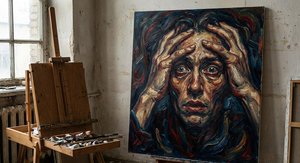
Figurative Expressionism: Emotional Intensity & Subjective Reality in 20th-Century Art
Explore the powerful world of Figurative Expressionism with OriginalUniqueArt. Discover key artists like Kirchner & Beckmann, understand its emotional depth, and learn how to collect this influential 20th-century art movement.

Unmasking Emotion: A Journey Through the Raw Power and Visceral Beauty of German Expressionism
Explore the raw emotional power of German Expressionism. From Kirchner to Die Brücke, discover how artists used distortion and vibrant color to unmask the human psyche. A deep dive into art history for the discerning collector and enthusiast.
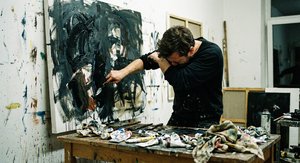
The Raw Emotion of Expressionism: A Deep Dive into its History, Characteristics & Enduring Influence
Explore the raw emotion of Expressionism with OriginalUniqueArt. Discover its history, key artists like Kirchner & Munch, and lasting influence on modern art. Expert insights for collectors & enthusiasts.