

 Pošalji
 Podeli
 Detalji o delu

 Преузми
 Slični predmeti
 Slajdovi
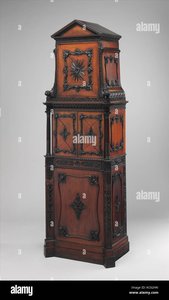
Jewel cabinet


 Pročitaj više
Ručno rađena uljana reprodukcija
Ručno oslikano uljanim bojama na platnu u dimenzijama i okviru po vašem izboru, izrađeno po porudžbini od strane naših umetnika. ( Kupi print Kupi digitalnu sliku)




































Izaberite jednu od naših unapred definisanih veličina koje odgovaraju originalnim proporcijama umetničkog dela.

Можете унети сопствене димензије како бисте прилагодили дело одређеном оквиру или простору. Ако одабрана величина не одговара пропорцијама оригинала, слика ће бити исечена или проширена додатним елементима који се ручно насликавају. Дигитални prikaz ће вам бити послат на одобрење пре почетка производње.
Имајте на уму да преглед на екрану не одражава стварно исецање или проширење. Само приказ (mockup) ће тачно приказати коначну композицију.
Иако су доступне прилагођене величине, препоручујемо да одаберете димензију из дефинисане листе како бисте сачували оригиналне пропорције.
Nakon narudžbine, tim OriginalUniqueArt.com će klijentu putem e-pošte poslati uputstva i dostaviti prikaz predloženog rešenja
Isporuka širom sveta () za 3/4 nedelje umesto uobičajenih 5 nedelja. (29 август). Bez kompromisa po pitanju kvaliteta.

Besplatna ekspresna dostava širom sveta

Visokokvalitetno laneno platno

Kompletno osiguranje transporta

Garancija povraćaja carine i uvoznih dažbina

Garancija vernosti boja

Politika povrata u roku od 60 dana (samo u slučaju nedostataka)

Garancija povrata novca od 100%

Popust pri grupnoj kupovini
 Opcija sa staklom dostupna je samo za dimenzije manje od 110 cm

Jewel cabinet
Tehnika reprodukcije
Dimenzije reprodukcije
-


Konačna cena
$ 300
Biografija umetnika
The Architect of Elegance: The Life and Legacy of William Vile
In the golden age of English craftsmanship, few names resonate with the same quiet authority as William Vile. A master of the Early Georgian period, Vile did not merely create furniture; he sculpted the very essence of aristocratic prestige. Born in Somerset around 1700, his early years remain partially veiled by the mists of history, yet the physical evidence of his genius remains strikingly clear. To look upon a piece of Vile’s work is to witness a profound dialogue between raw material and refined intellect. He emerged from an era where the boundaries between fine art and functional craft were beautifully blurred, positioning himself as a peer to the most celebrated artisans of his time.
Vile’s ascent within the competitive London landscape was marked by a relentless pursuit of technical perfection. His formative years likely involved rigorous training under masters such as William Hallett senior, whose workshop acted as a crucible for innovation. It was here that Vord mastered the intricate disciplines of veneering, carving, and inlaying—techniques that would become his signature. This period of apprenticeship provided him with the foundational vocabulary to speak the language of luxury, allowing him to manipulate exotic woods and delicate patterns into compositions that felt both structurally sound and visually ethereal.
A Partnership of Grandeur and Royal Splendor
The trajectory of Vile’s career reached new heights through strategic collaborations that redefined the standards of British cabinetmaking. Most notably, his 1750 partnership with John Cobb created a powerhouse of design that captured the imagination of the British elite. Together, they navigated the complex demands of the court, securing prestigious commissions for the most opulent residences in the land. Their work was destined for the halls of palaces and the stately homes of the nobility, serving as much as political statements of wealth and taste as they were functional objects of comfort.
The hallmark of this era was a sophisticated blend of structural grandeur and delicate ornamentation. Vile’s ability to integrate complex marquetry with robust mahogany or walnut frames allowed his pieces to command any room. His work stood in a unique position within the Georgian hierarchy, often compared favorably to the legendary Thomas Chippendale. While Chippendale would later define the Late Georgian aesthetic, Vile’s contributions provided the essential bridge from the more restrained styles of the early century to the exuberant, Rococo-influenced flourishes that would follow. His mastery ensured that even as tastes shifted, the standard of excellence he established remained an untouchable benchmark.
The Enduring Echo of a Master Craftsman
The historical significance of William Vile extends far beyond the physical boundaries of his furniture. He was a pivotal figure in establishing a lineage of British craftsmanship that would not see a comparable revival until the late twentieth century. His influence can be traced through the generations of makers who sought to replicate his seamless integration of ornament and form. The very concept of the "English Style"—a marriage of sturdy construction and exquisite surface decoration—owes much to the precedents set by Vile and his contemporaries like William Bradshaw and John Gumley.
Today, the legacy of Vile is preserved in museums and private collections worldwide, where his pieces continue to evoke the splendor of a vanished age. To study his work is to understand the heartbeat of the Georgian era: a time of colonial expansion, rising wealth, and an insatiable appetite for beauty. Though his personal life remains shrouded in the quietude of Somerset’s history, his artistic voice remains loud and clear, echoing through every meticulously carved leaf and perfectly inlaid medallion that bears his unmistakable mark of distinction.
William Vile
1767 , United Kingdom
Osnovne informacije
- Artistic Movement Or Style: Georgian Cabinetmaking
- Artists Or Movements Influenced By This Artist: ['British Craft Revival']
- Artists Who Influenced This Artist: ['Thomas Chippendale']
- Date Of Death: 1767
- Full Name: William Vile
- Nationality: English
- Notable Artworks:
- Jewel cabinet
- None So Vile
- Place Of Birth: Somerset, United Kingdom
Povezani članci

25 Masterpieces by William Blake: The Visionary Genius of the Romantic Age
Step into the visionary world of William Blake. Explore 25 iconic Romantic masterpieces, from mystical illuminated prints to profound mythological works. Find museum-quality art reproductions and decor inspiration for your collection. Discover all masterpieces on OriginalUniqueArt.com.

25 Masterpieces by William Blake: The Visionary Genius of the Romantic Age
Step into the visionary world of William Blake. Explore 25 iconic Romantic masterpieces, from mystical illustrations to legendary prints. Find museum-quality art reproductions and timeless decor inspiration for your collection. Discover all masterpieces on OriginalUniqueArt.com.

Visionary Masterpieces: The Top 25 Artworks by William Blake
Step into the visionary world of William Blake. Explore 25 iconic Romantic masterpieces, from mystical engravings to illuminated prints. Find inspiration for your collection with museum-quality art reproductions and curated decor ideas. Discover all masterpieces on OriginalUniqueArt.com.

25 Masterpieces by William Blake: The Visionary Art of a Romantic Legend
Step into the visionary world of William Blake. Explore 25 iconic Romantic masterpieces, from his mystical illuminated prints to legendary illustrations. Find inspiration and museum-quality art reproductions for your decor. Discover all masterpieces on OriginalUniqueArt.com.

25 Masterpieces by William H. Johnson: The Soul of the Harlem Renaissance
Immerse yourself in the vibrant soul of the Harlem Renaissance. Explore 25 iconic masterpieces by William H. Johnson, from bold expressionism to soulful folk art. Find inspiration and museum-quality reproductions for your collection. Discover all masterpieces on OriginalUniqueArt.com.

