
 Pošalji
 Podeli
 Detalji o delu

 Преузми
 Slični predmeti
 Slajdovi
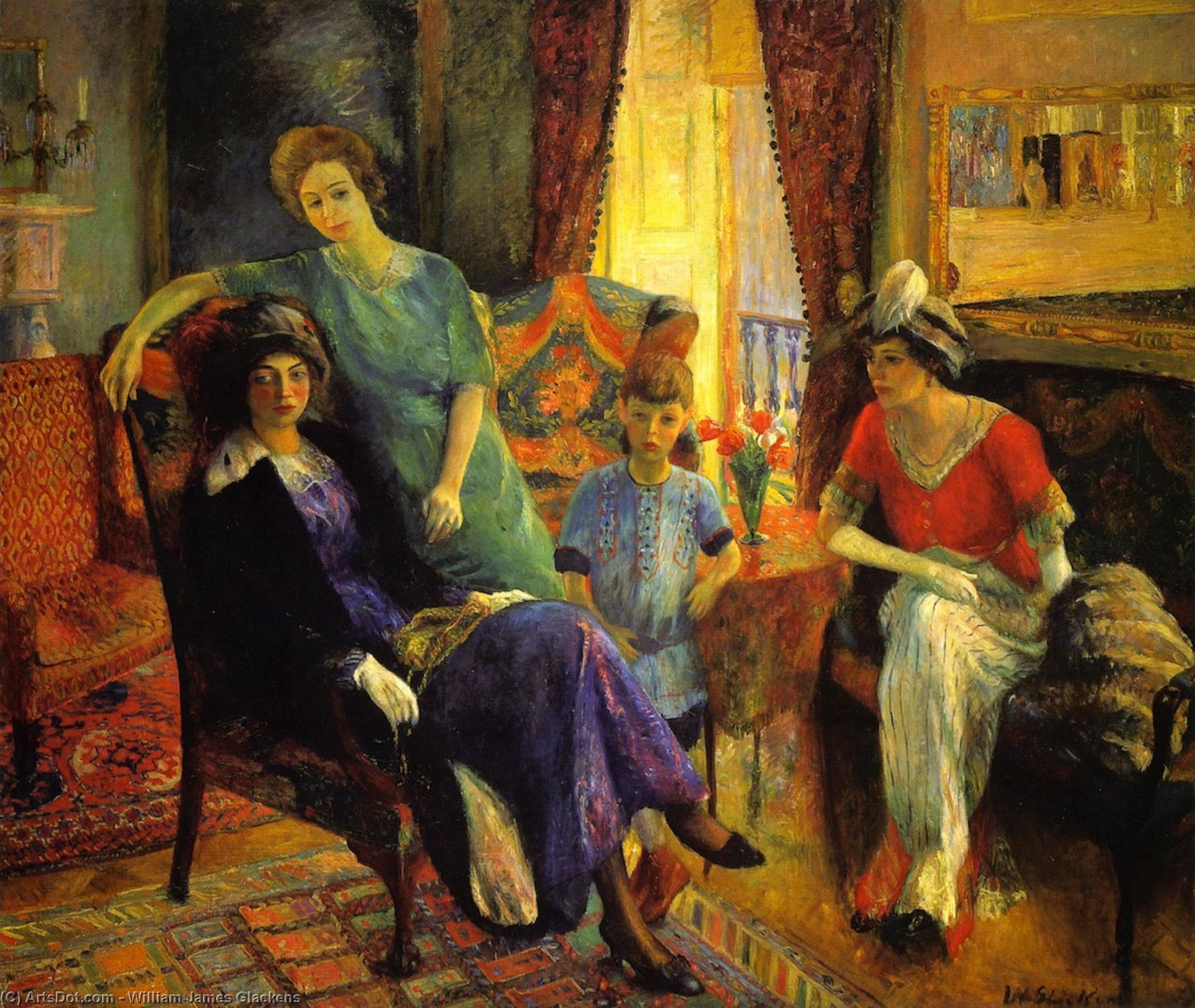
Family group


 Pročitaj više
Giclee štampa / Umetnički otisak
Giclée štampa ili print na platnu muzejskog kvaliteta uz brzu proizvodnju i fleksibilne opcije završne obrade. ( Kupi ručno naslikanu sliku Kupi digitalnu sliku)




































Izaberite jednu od naših unapred definisanih veličina koje odgovaraju originalnim proporcijama umetničkog dela.

Možete uneti sopstvene dimenzije kako biste umetničko delo prilagodili specifičnom okviru ili prostoru. Ako odabrani format ne odgovara proporcijama originalne slike, mi ćemo ili iscrtati deo dela ili proširiti sliku pomoću ogledane ivice ili jednobojnog popunjavanja. Digitalni prikaz će vam biti poslat na odobrenje pre početka proizvodnje.
Imajte na umu da pregled na ekranu ne odražava stvarno iscrtavanje ili proširivanje. Samo će prikaz (mockup) precizno pokazati finalnu kompoziciju.
Iako su prilagođene dimenzije dostupne, preporučujemo da odaberete dimenziju sa unapred definisane liste kako biste očuvali originalne proporcije.
Dostava širom sveta () za 2 nedelje umesto uobičajenih 4/5 nedelja. (19 август)

Besplatna ekspresna dostava širom sveta

Visokokvalitetno laneno platno

Kompletno osiguranje transporta

Garancija povraćaja carine i uvoznih dažbina

Garancija vernosti boja

Politika povrata u roku od 60 dana (samo u slučaju nedostataka)

Garancija povrata novca od 100%

Popust pri grupnoj kupovini
 Opcija sa staklom dostupna je samo za dimenzije manje od 110 cm

Family group
Giclee štampa / Umetnički otisak
Dimenzije reprodukcije
-


Konačna cena
$ 80
Opis predmeta
Family Group (1950) - Henry Moore
Henry Moore’s “Family Group,” created in 1950, stands as a cornerstone of British sculpture and exemplifies the artist's signature approach to exploring human form and its relationship with landscape. Commissioned for Barclay School in Stevenage, Hertfordshire, this monumental bronze embodies Moore’s profound belief that art should communicate universal themes of intimacy, vulnerability, and connection—themes powerfully conveyed through his distinctive reductive style.The Artist and His Style: A Pioneer of Organic Form
Henry Moore (1898-1976) was a transformative figure in 20th-century sculpture, rejecting the prevailing geometric abstraction of his time to champion an aesthetic rooted in nature’s contours. Influenced by Surrealism and African art—particularly sculptures depicting stylized human figures—Moore developed a technique known as “organic form,” characterized by simplified shapes that mimic natural forms like pebbles, shells, and tree trunks. This method prioritizes the underlying structure of matter, reducing complex shapes to essential geometric elements while retaining their expressive qualities. Moore’s meticulous attention to detail—evident in the subtle curves and indentations of his sculptures—created a tactile experience for viewers, inviting contemplation on the beauty and resilience of human existence.A Symbol of Family Unity: Composition and Narrative
“Family Group” depicts three figures seated on a bench – a woman, a man, and a child – representing the idealized image of a nuclear family. The sculpture’s deliberate arrangement—the figures leaning slightly back towards each other, their arms curving inwards—creates a sense of warmth and interdependence. Moore famously described this gesture as “the arms of the mother and the father intertwine with the child forming a knot between them, tying the three into a family unity.” This symbolic depiction speaks to fundamental human desires for connection and protection, resonating deeply with audiences across generations. The positioning of the figures—slightly elevated from the bench—suggests a sense of serenity and stability, mirroring the enduring strength of familial bonds.Technique and Material: Bronze Casting – A Legacy of Precision
Moore’s masterful use of bronze casting represents a triumph of craftsmanship and embodies the artist's commitment to exploring material qualities. The sculpture was created using the lost wax method—a technique dating back millennia—which involves creating a detailed clay model, investing it in wax, melting away the wax to create a mold, pouring molten bronze into the mold, and painstakingly removing the solidified metal to reveal the finished piece. This process ensures exceptional accuracy and surface finish, allowing for subtle variations in texture and color that enhance the sculpture’s visual impact. The resulting bronze possesses an inherent luminosity and solidity—a testament to Moore's dedication to capturing both form and substance—creating a timeless artwork that continues to inspire admiration and contemplation.Historical Context: Postwar Britain and Artistic Renewal
“Family Group” emerged during a period of significant artistic renewal in postwar Britain, following the devastation of World War II. The commission for Barclay School reflected a broader effort to revitalize public spaces and foster optimism about the future—themes powerfully expressed through Moore’s sculptural explorations of human form and natural landscapes. This artwork stands as an emblem of British resilience and creativity, demonstrating Moore's ability to translate complex philosophical ideas into emotionally resonant visual experiences. Its enduring appeal underscores the power of art to communicate universal values and inspire a sense of wonder about the beauty of the natural world.Biografija umetnika
Почетак пута: Филаделфија и формирање уметника
Виљем Џејмс Глекенс, један од пионира Ашкан школе, оставио је неизбрисив траг на америчкој сликарској сцени. Рођен у Филаделфији, Пенсилванија, 1870. године, Глекенсов живот био је посвећен страсном изразу стварности кроз реалистичке композиције. Његов рани период обележен је природном склоношћу према уметности, што га је одвело на Пенсилванијску академију финих уметности. Ту је, под менторством Томаса Аншуца, прослављеног реалисте, развијао своје вештине и постао један од оснивача Ашкан школе – покрета који се буну против конвенционалних идеја лепоте, усмеравајући фокус на сурову стварност градског живота. Глекенс није желео да идеализује свет; желео је да га представи онаквог какав јесте, са свим његовим манама и лепотама.Париз, Њујорк и суштина свакодневног живота
Глекенсов рад се одликује тамним нијансама и живим приказима улица пре Првог светског рата у Њујорку и Паризу. Као илустратор за новине и часописе, Глекенс је стекао драгоцено искуство посматрања живота изблиза. У његовим каснијим делима види се утицај Реноара, који доноси светлије тонове и одражавају еволуцију уметника. Глекенс је био мајстор у заробљавању суштине обичног живота – тренутака које многи други не би запазили. Његова способност да пренесе атмосферу, звук и осећања градске средине била је изузетна. Слика "Поглед на Харлем са просторима за бељење", дело Јакоба Исааксона ван Рујсдаела, представља ниво детаља и мајсторства који дефинишу Глекенсов рад. Ово ремек-дело се данас налази у колекцији Крислер музеја уметности."Купци": Урбана симфонија
Једно од најзначајнијих дела Виљема Џејмса Глекенса, "Купци", савршено илуструје његов таленат за хватање суштине градског живота. Ова слика, која се може пронаћи у колекцији Нови реализам на OriginalUniqueArt.com, је права урбана симфонија – жива сцена пуна покрета, боја и емоција. Глекенс не приказује само људе који купују; он нам нуди увид у живот, друштвене односе и атмосферу града. Композиција је динамична, а палета боја богата и изражајна.Наслеђе и трајан утицај
Глекенсов допринос америчкој уметности је вишеструки. Поред свог сопственог рада, одиграо је кључну улогу у помоћи Алберту К. Барнсу да стекне европска дела за Фондацију Барнс у Филаделфији – збирку која је постала камен темељац америчке историје уметности. Његов рад је инспирисао многе касније генерације уметника, а његова посвећеност реалистичком приказу стварности остаје релевантна и данас. Кључна дела и колекције:- "Купци" (Нови реализам, уље на платну, Крислер музеј уметности)
- "Поглед на Харлем са просторима за бељење" (Рујсдаел, Замак Сфорца, Милано, Италија)
- https://OriginalUniqueArt.com/@/william-james-glackens - истражите опширну колекцију Глекенсових дела на OriginalUniqueArt.com.
- https://en.wikipedia.org/wiki/william_glackens - удубите се у детаљну биографију Виљема Џејмса Глекенса на Википедији.

Виљем Џејмс Глекенс
1870 - 1938 , Србија
Osnovne informacije
- Artistic Movement Or Style: Aškanska škola
- Artists Or Movements Influenced By This Artist: ['Pjer Ogist Renoir']
- Artists Who Influenced This Artist: ['Tomas Anšuc']
- Date Of Birth: Filadelfija, SAD (1870)
- Date Of Death: Vestport, Konektikat (1938)
- Full Name: Vilijam Džejms Glakens
- Nationality: Amerikanac
- Notable Artworks:
- Šoping hol
- Pogled na Harlem
- Place Of Birth: Filadelfija, SAD
Povezani članci

Bronze Age to Modern Masters: 10 Sculptures That Redefined Art | OriginalUniqueArt
Journey through art history with 10 legendary bronze sculptures – from Michelangelo's David to Rodin’s Thinker. Explore the stories, techniques & timeless beauty of these masterpieces. Find museum-quality reproductions & elevate your home decor on OriginalUniqueArt.com.

Bronze Sculptures That Defined Art History | OriginalUniqueArt
Journey through art history with our Top 10 bronze sculptures! Explore masterpieces by Rodin, Michelangelo & more. Discover stories behind iconic statues and find museum-quality reproductions for your home decor at OriginalUniqueArt.com.

The Enduring Legacy of Bronze: A Historical & Artistic Exploration for the Collector
Explore the rich history & enduring appeal of bronze sculpture with expert insights for collectors at OriginalUniqueArt. Learn about casting techniques, iconic artists, collecting tips & contemporary interpretations.
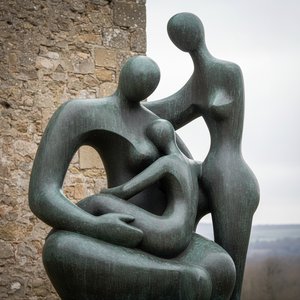
Henry Moore: Sculpting Modernity – Form, Emotion & the Human Condition
Explore the revolutionary sculptures of Henry Moore – abstract forms, reclining figures & powerful expressions of the human condition. Discover his legacy & artistic process with OriginalUniqueArt.
The Enduring Legacy of Bronze: History, Technique & Artistic Expression for the Collector
Explore the rich history & enduring appeal of bronze sculpture with expert insights for collectors at OriginalUniqueArt. Learn about casting techniques, iconic artists, and collecting tips.


