Pregledaj u prostoru
 Podeli
 Podeli
 Detalji
 Vodič
Vodič

 Preuzmi sliku
 Slični predmeti
 Rendgenski snimak
 Automatska prezentacija
 Statistika
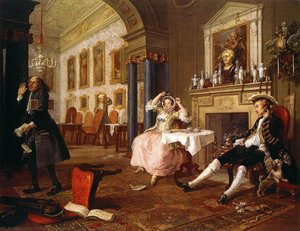
Plate dva iz Rake's Progress


 Pročitaj više
Giclee štampa / Umetnički otisak
Giclée štampa ili print na platnu muzejskog kvaliteta uz brzu izradu i raznovrsne opcije završne obrade. ( Naručite ručno oslikano reprodukciju Pređi na prodaju digitalnih slika)




P118B дин10

P118H дин10

P118W дин10

P438Z дин10

P508JH дин12

P508YH дин12

P805H дин10

P805Z дин10

P919BZ дин10

P919G дин10

P919XJ дин10

P959ZH дин10

P968JZ дин12

W106C дин8

W218G дин10

W218JH дин8

W218Y дин10

W307PJ дин10

W316G дин10

W316PJ дин8

W316Y дин10

W398PJ дин8

W4111J дин10

W500HY дин15

W500JH дин15

W692G дин12

W849H дин8

W940BG дин15

W953PJ дин8




Izaberite jednu od naših unapred definisanih veličina koje odgovaraju originalnim proporcijama umetničkog dela.

Unesite širinu i visinu koja vam je potrebna, kako bi se uklopili u vaš ram ili na vaš zid. Štampa se može samo iseći, nikada ne može biti veća od originalne slike, stoga format sa drugačijim proporcijama gubi deo slike. Poslaćemo vam digitalni prikaz radi potvrde pre nego što započnemo štampu. Slika prikazana na ovoj stranici ne pokazuje stvarni rez — to pokazuje samo digitalni prikaz.
Dostava širom sveta () za 2 nedelje umesto uobičajenih 4/5 nedelja. (19 октобар)

Besplatna ekspresna dostava širom sveta

Visokokvalitetno laneno platno

Sveobuhvatno osiguranje transporta

Garancija povraćaja carine i uvoznih dažbina

Garancija vernosti boja i autentičnosti pri reprodukciji

Politika povraćaja u roku od 100 dana (samo u slučaju nedostataka)

Garancija povrata 100% novca

Popust pri većoj količini
 Opcija sa staklom dostupna je samo za dimenzije manje od 110 cm

Plate dva iz Rake's Progress
Giclee štampa / Umetnički otisak
Veličina reprodukcije
-


Ukupna cena
дин 8189
Plate Two, from A Rake's Progress – A Window Into Georgian Excess
William Hogarth’s *A Rake’s Progress*, Plate Two stands as a cornerstone of English Baroque art and a searing indictment of the opulent lifestyles prevalent in Georgian society. Published in 1735 amidst the shadow of the Seven Years’ War, this engraving isn't merely a depiction; it’s a calculated provocation designed to unsettle viewers accustomed to idealized representations of aristocratic grandeur.
- The Scene: The composition unfolds within a richly appointed room—a testament to the wealth and status of its inhabitants. A gentleman, impeccably dressed in scarlet robes, dominates the center stage, absorbed in playing a harpsichord. Around him swirl figures engaged in various activities – dancing ladies adorned with jewels, men gambling intensely, and servants attending to their needs. The overall impression is one of frenzied indulgence.
- Technique & Style: Hogarth’s mastery of engraving is immediately apparent. Employing meticulous cross-hatching and stippling techniques, he achieves remarkable textural detail—the velvet upholstery of the sofa, the shimmering fabric of the ladies' gowns, and even the subtle nuances of facial expressions. The artist skillfully utilizes chiaroscuro – dramatic contrasts between light and dark – to sculpt forms and create a palpable sense of depth.
- Historical Context: *A Rake’s Progress* served as a powerful critique of the moral failings of the aristocracy, exposing their obsession with pleasure and disregard for societal norms. Hogarth deliberately juxtaposes beauty and decadence, highlighting the hollowness beneath the veneer of refinement. The engraving reflects anxieties surrounding Britain's military struggles abroad and questions about the stability of the social order.
- Symbolism: The central musical performance embodies harmony and intellectual pursuit—values championed during the Enlightenment. However, Hogarth subtly undermines this ideal by portraying the gentleman’s audience as captivated solely by spectacle and devoid of genuine contemplation. The discarded hat symbolizes folly and represents a deliberate rejection of moral responsibility.
- Emotional Impact: Plate Two compels viewers to confront uncomfortable truths about human behavior and societal hypocrisy. It evokes feelings of unease, judgment, and perhaps even pity for those consumed by vanity and driven by selfish desires. Hogarth’s unflinching gaze captures the essence of his era—a period marked by both artistic brilliance and moral decay.
This engraving exemplifies Hogarth's commitment to documenting reality with uncompromising honesty, cementing his legacy as one of England’s most influential artists.
Pitanja i odgovori
Koliko je zasićena paleta dela "Plate dva iz Rake's Progress"?
Paleta dela "Plate dva iz Rake's Progress" ima Ubledelo zasićenost.
Da li su boje dela „Plate dva iz Rake's Progress”, Вилијам Хогарш živopisne ili prigušene?
Boja dela "Plate dva iz Rake's Progress" ima Ubledelo zasićenost i Uravnoteženo intenzitet.
Mogu li da vidim „Plate dva iz Rake's Progress”, Вилијам Хогарш na svom zidu pre kupovine?
Stranica AR pregled za delo „Plate dva iz Rake's Progress”, Вилијам Хогарш koristi proširenu stvarnost kako bi vam prikazala umetničko delo u vašem sopstvenom prostoru, pomoću kompatibilnog uređaja.
Biografija umetnika
A London Life in Ink and Paint: The World of William Hogarth
William Hogarth, born into the bustling heart of 18th-century London in 1697, was more than just an artist; he was a visual historian, a keen observer of human nature, and a satirical commentator on the societal currents of his age. His life story is inextricably linked to the very fabric of England during a period of significant transformation – its burgeoning ambitions, underlying anxieties, and pervasive hypocrisies all finding potent expression in his remarkably detailed and often biting works. The son of a struggling Latin schoolmaster, Hogarth’s early experiences instilled within him both a love for learning and a sharp awareness of social inequalities, a foundation that would prove crucial to shaping his artistic vision. Initially apprenticed to an engraver, he quickly demonstrated a talent extending beyond mere technical skill; he possessed an innate ability to observe the nuances of human behavior and translate them into compelling visual narratives. However, he chafed against the constraints of traditional engraving, seeking a more expressive outlet for his burgeoning creativity. This led him to studies at both St Martin’s Lane Academy and under Sir James Thornhill, where he honed his skills in painting and composition, absorbing influences that would later inform his unique style. He established a distinctly British artistic identity. His work provides invaluable insights into 18th-century English society. He influenced generations of artists and satirists.The Birth of Modern Moral Subjects
Hogarth's true innovation lay not simply *what* he painted, but *how*. He pioneered what he termed “modern moral subjects” – series of pictures designed to tell a story, often imbued with a strong satirical edge. These weren’t isolated portraits or landscapes; they were visual novels unfolding before the viewer’s eyes, offering pointed commentary on contemporary society. A Harlot's Progress, created in 1742, stands as perhaps his most famous example. This series of six paintings meticulously follows the tragic downfall of Mary, a young woman arriving in London full of hope but quickly succumbing to the temptations and dangers of city life. Each scene is rendered with painstaking detail, filled with symbolic elements that reveal the moral decay surrounding her. The artist’s meticulous attention to observation—a hallmark of his style—transformed everyday occurrences into profound meditations on virtue and vice. Similarly, A Rake's Progress, begun in 1733, charts the reckless decline of Tom Rakewell, a man who squanders his inheritance on gambling, debauchery, and ultimately, madness. These weren’t merely cautionary tales; they were unflinching portraits of a society grappling with issues of class, morality, and social mobility. Hogarth didn't shy away from depicting the harsh realities of life, presenting them with a blend of humor and pathos that forced viewers to confront uncomfortable truths about themselves and their society. He skillfully captured the psychological complexities of his subjects, conveying both their ambition and their vulnerability.Technique and Influences: A Synthesis of Styles
Hogarth’s artistic style was a unique amalgamation of diverse influences. He greatly admired the realism and narrative detail found in the works of Dutch genre painters like Pieter de Hooch, evident in his meticulous depictions of interiors and everyday life. The artist's masterful use of line and shading—particularly noticeable in his engravings—created depth and texture, bringing his scenes to life with remarkable clarity. He employed a distinctive cross-hatching technique that achieved this effect, demonstrating an exceptional understanding of visual representation. Furthermore, Hogarth was influenced by literary works, particularly those of Jonathan Swift and Henry Fielding, whose satirical wit informed his own social observations. He believed that art should not merely be beautiful but should also serve a moral purpose, challenging viewers to think critically about the world around them and their place within it. He sought to hold a mirror up to nature, reflecting both its beauty and its ugliness with unflinching honesty. His engravings were particularly noteworthy for their expressive quality. He skillfully combined meticulous detail with dynamic composition—a technique that would become synonymous with his artistic legacy. Beyond these immediate influences, Hogarth absorbed stylistic elements from German Expressionists, demonstrating a remarkable openness to experimentation and innovation. This synthesis of styles cemented his position as a pioneer of modern art, shaping the trajectory of British painting for decades to come.Major Achievements and Legacy
Hogarth’s contribution to British art is undeniable. He elevated genre painting to new heights of sophistication and psychological insight—a feat rarely accomplished by his contemporaries. His series of moral subjects revolutionized visual storytelling, establishing a precedent for satirical prints and comic strips that continues to endure today. Artists like James Gillray and George Cruikshank were directly inspired by his style, carrying forward his tradition of social critique. He achieved fame and recognition during his lifetime, securing commissions from prominent patrons and garnering acclaim for his artistic prowess. Even Charles Lamb, the celebrated essayist, recognized the narrative power of Hogarth’s images, famously remarking that they were “like books to be read rather than merely looked at.” His enduring influence testifies to the timeless relevance of his themes—ambition, morality, social justice—issues that remain central to human experience. William Hogarth died in 1764, leaving behind a legacy that continues to inspire artists and scholars alike. He remains a pivotal figure in the history of British art, celebrated for his innovative approach to storytelling, his unflinching social commentary, and his enduring ability to capture the complexities of human life—a testament to the transformative power of artistic vision.
Вилијам Хогарш
1697 - 1764 , Велика Британија
Brzi pregled
- Artistic Movement Or Style: Realizam i satira
- Artists Or Movements Influenced By This Artist: ['James Gillray']
- Artists Who Influenced This Artist:
- Pieter de Hooch
- Jonathan Swift
- Date Of Birth: 1697
- Date Of Death: 1764
- Full Name: William Hogarth
- Nationality: Britanski
- Notable Artworks:
- A Harlot's Progress
- A Rake's Progress
- Marriage A-la-Mode
- Place Of Birth: London, UK
Srodni članci

William Hogarth: Satire, Social Commentary & the Birth of Modern British Art
Explore the satirical world of William Hogarth, pioneering British painter & engraver. Discover his iconic works like *A Rake's Progress* and insightful social commentary on 18th-century London life.

Reflecting Nobility & Nuance: 18th-Century Portraiture as a Window into Societal Values
Explore the world of 18th-century portraiture with OriginalUniqueArt. Discover symbolism, artistic innovation & societal values reflected in masterpieces by Reynolds, Hogarth & more. Expert insights for collectors.
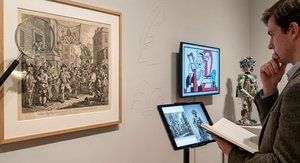
The Sharpest Wit: A Critical Exploration of Satire in Art History – From Hogarth to Contemporary Critique
Explore the history of satire in art! From Hogarth's London to contemporary critique, discover how artists use wit & visual power to reflect and challenge society. Expert insights at OriginalUniqueArt.
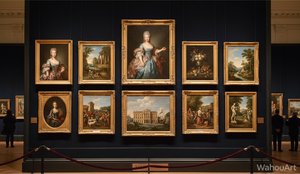
18th Century Masters: 10 Artworks That Define an Era | OriginalUniqueArt
Journey through 18th century art! Explore 10 iconic paintings – from Rococo elegance to Neoclassical grandeur. Discover Fragonard, David & more. Find museum-quality reproductions and elevate your home decor on OriginalUniqueArt.com.
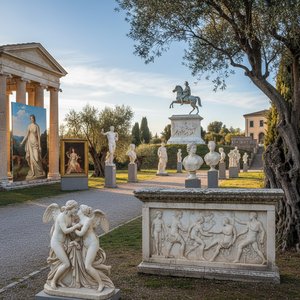
Najboljih 10 Neoklasičkih Remek-Dela: Umetnoska Istorija i Luksuzni Dekor
Otkrijte 10 remek dela neoklasicizma! Istražite David, Jacques-Louis David i druge genijalce. Umetnoska istorija i inspiracija za luksuzni enterijer. Kupite reprodukcije vrhunskog kvaliteta na OriginalUniqueArt.com!