
 Pregledaj u prostoru
 Pošalji
 Podeli
 Detalji o delu

 Преузми
 Slični predmeti
 Rendgenski snimak
 Slajdovi
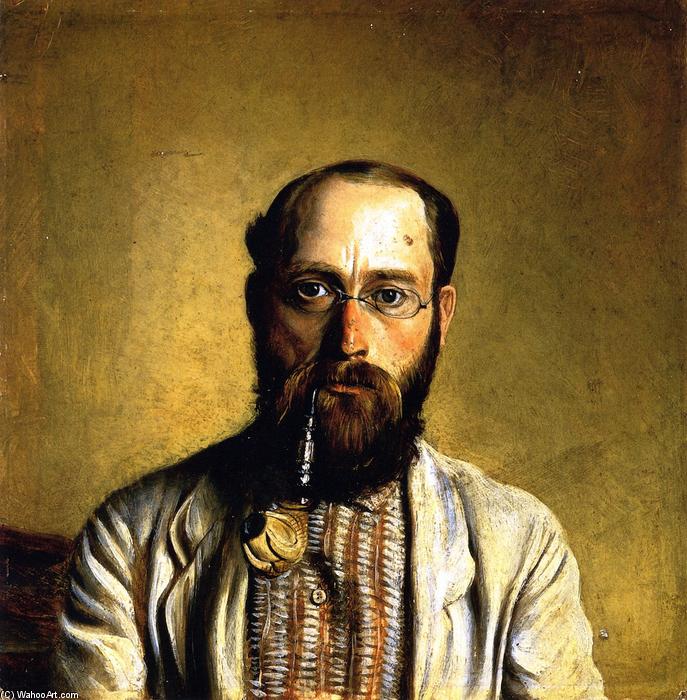
Self Portrait
 Pročitaj više
Ručno rađena uljana reprodukcija
Ručno oslikano uljanim bojama na platnu u dimenzijama i okviru po vašem izboru, izrađeno po porudžbini od strane naših umetnika. ( Kupi print Kupi digitalnu sliku)




































Izaberite jednu od naših unapred definisanih veličina koje odgovaraju originalnim proporcijama umetničkog dela.

Можете унети сопствене димензије како бисте прилагодили дело одређеном оквиру или простору. Ако одабрана величина не одговара пропорцијама оригинала, слика ће бити исечена или проширена додатним елементима који се ручно насликавају. Дигитални prikaz ће вам бити послат на одобрење пре почетка производње.
Имајте на уму да преглед на екрану не одражава стварно исецање или проширење. Само приказ (mockup) ће тачно приказати коначну композицију.
Иако су доступне прилагођене величине, препоручујемо да одаберете димензију из дефинисане листе како бисте сачували оригиналне пропорције.
Nakon narudžbine, tim OriginalUniqueArt.com će klijentu putem e-pošte poslati uputstva i dostaviti prikaz predloženog rešenja
Isporuka širom sveta () za 3/4 nedelje umesto uobičajenih 5 nedelja. (18 август). Bez kompromisa po pitanju kvaliteta.

Besplatna ekspresna dostava širom sveta

Visokokvalitetno laneno platno

Kompletno osiguranje transporta

Garancija povraćaja carine i uvoznih dažbina

Garancija vernosti boja

Politika povrata u roku od 60 dana (samo u slučaju nedostataka)

Garancija povrata novca od 100%

Popust pri grupnoj kupovini
 Opcija sa staklom dostupna je samo za dimenzije manje od 110 cm

Self Portrait
Tehnika reprodukcije
Dimenzije reprodukcije
-


Konačna cena
$ 300
Biografija umetnika
A Visionary of the Canadian Wild: The Life and Legacy of William George Richardson Hind
William George Richardson Hind stands as a pivotal figure in the artistic chronicle of Canada, particularly recognized for his masterful watercolour depictions of Western landscapes and Indigenous communities during the Gold Rush era. Born in Nottingham, England, in 1833, Hind’s journey toward artistic prominence unfolded amidst the burgeoning Victorian fascination with exploration and scientific observation—influences that profoundly shaped his distinctive style and subject matter. The son of a lace manufacturer, Hind emigrated to Canada in 1851, following his elder brother, Henry Youle Hind, an influential intellectual and explorer. This familial connection would prove instrumental, as it placed William at the very heart of the era's great geographical discoveries. Upon arriving in Toronto at the age of eighteen, Hind’s early career was marked by a blend of pedagogy and practice. He served as the Drawing Master at the Toronto Normal School from 1851 to 1857, a role that likely refined his ability to communicate visual information with clarity. During these formative years, he established his own studio and began exhibiting works at the Upper Canada Provincial Exhibition, showcasing a narrative genre style that resonated with the popular tastes of the time. His early subjects often leaned toward the domestic and the anecdotal, yet there was always an underlying precision in his hand—a trait likely nurtured by his rigorous academic background.The Intersection of Science and Artistry
Hind's formative years were marked by a deep connection to the natural sciences, a discipline that instilled within him an unwavering commitment to accuracy and detail. This scientific eye became a hallmark of his artistic practice, especially when he transitioned from studio painting to field illustration. In the late 1850s, a return to England may have exposed him to the meticulousness of the Pre-Raphaelite Brotherhood, an influence that likely deepened his appreciation for vibrant color and botanical precision. When he returned to Canada in 1861, he did not merely return as a painter, but as a visual chronicler of the continent's expanding frontiers. Joining his brother’s expedition to the Moisie River, a tributary of the St. Lawrence, Hind embarked on a journey that would define his historical significance. He produced more than one hundred sketches during this arduous trek through the Labrador Peninsula, capturing the rugged terrain and the lives of the Naskapi and Montagnais peoples. These were not merely artistic exercises; many of his sketches were utilized as woodcut illustrations in Henry’s published reports, such as Explorations in the interior of the Labrador peninsula. Through this work, Hind bridged the gap between scientific documentation and fine art, providing a window into a world that was rapidly changing due to colonial expansion.Capturing the Spirit of the West
As his career progressed, Hind’s focus shifted toward the vast, untamed landscapes of the Canadian West and the burgeoning activity of the Gold Rush era. He became a prolific illustrator for publications documenting the region’s geography, flora, fauna, and settlement efforts. His meticulous renderings captured the grandeur of the prairies—rolling grasslands stretching towards distant horizons—and conveyed an unparalleled sense of atmosphere. Whether depicting the industriousness of a Metis craftsman making a wheel for a Red River cart or the intense labor of prospecting for alluvial gold in British Columbia, Hind possessed a rare ability to imbue his subjects with dignity and life. His artistic technique was characterized by a deliberate blending of realism and Impressionistic tendencies. He favored layering thin washes of color to create depth and luminosity, allowing the light of the Canadian wilderness to permeate his watercolours. This method allowed him to capture the fleeting qualities of weather and light, from the heavy atmosphere of a Manitoba roadside scene to the stark, majestic beauty of the northern expeditions.Historical Significance and Enduring Legacy
The importance of William George Richardson Hind lies not only in the aesthetic beauty of his work but in its role as a historical record. His paintings serve as vital documents of a transformative period in North American history, preserving the likenesses of Indigenous cultures and the landscapes of the West before they were irrevocably altered by industrialization and large-scale settlement. He approached his subjects with a level of respect and nuance that was commendable for his era, seeking to portray the complexities of human interaction with the land. Though his life was cut short in 1889 in Sussex, New Brunswick, Hind's contribution to Canadian art remains profound. His ability to marry the precision of a scientist with the soul of a romantic painter ensured that his work would transcend simple illustration. Today, his watercolours are cherished not just as beautiful objects of art, but as essential windows into the heart of a developing nation, capturing the very essence of the Canadian frontier.
William George Richardson Hind
1833 - 1889 , United Kingdom
Osnovne informacije
- Artistic Movement Or Style: Romanticism
- Artists Who Influenced This Artist:
- George Frederic Handel
- John Ruskin
- Date Of Birth: 1833
- Full Name: William George Richardson Hind
- Nationality: British
- Notable Artworks:
- Donald Smith (Lord Strathcona) at North West River
- Self Portrait
- Camping on the Prairie
- Place Of Birth: Nottingham, United Kingdom

