
 Pregledaj u prostoru
 Pošalji
 Podeli
 Detalji o delu

 Преузми
 Slični predmeti
 Rendgenski snimak
 Slajdovi
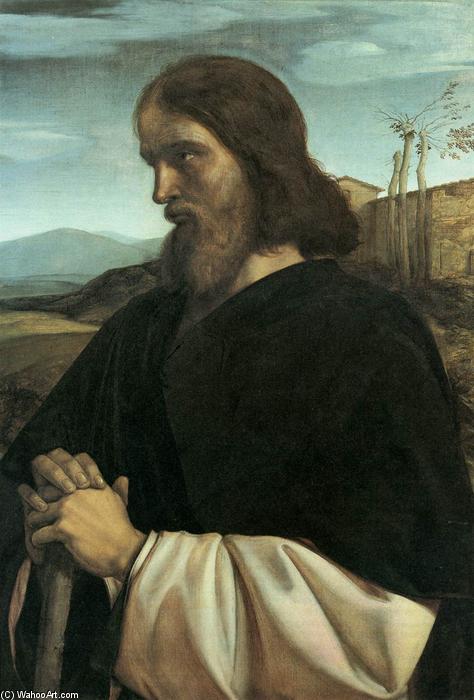
St Joseph
 Oil On Canvas
- WallArt
- Pre-Raphaelite
 1847
1847 79.0 x 55.0 cm
 Royal Collection
 Pročitaj više
Kupite digitalnu sliku visoke rezolucije i poboljšanog kvaliteta, koja je znatno superiornija od onoga što vidite u online prikazu.
Svaka datoteka je pedantno pripremljena od strane naših stručnjaka koristeći napredne alate i profesionalnu ručnu retušu. Osiguravamo da svaka slika ima izuzetnu oštrinu, preciznu reprodukciju boja i fine detalje.
Konačna datoteka se dostavlja putem e-pošte u roku od 72 sata, optimizovana za neposrednu upotrebu u profesionalnim, izdavačkim i štamparskim okruženjima. To je isti kvalitet kojem veruju vrhunski studiji dizajna, izdavači i galerije.
Digitalna slika
Preuzmite datoteku visoke rezolucije za ličnu upotrebu, štampanje i kreativne projekte. ( Kupi print Kupi ručno naslikanu sliku)
Uključeno uz svaku porudžbinu digitalne slike
Profesionalna digitalna isporuka, zagarantovana
Kada odaberete OriginalUniqueArt.com, ne dobijate samo sliku – vi primate profesionalno unapređeno digitalno umetničko delo, izrađeno sa najvećom preciznošću i uz garanciju zadovoljstva. Evo svega što automatski dolazi uz vašu porudžbinu:

Brza dostava putem e-pošte
Vaša digitalna slika visoke rezolucije biće vam poslata putem e-pošte u roku od 72 sata od poručivanja – spremna za trenutnu upotrebu.

Digitalna datoteka unapređena veštačkom inteligencijom
Vaše umetničko delo je profesionalno optimizovano korišćenjem naprednih AI alata i ručne obrade, čime se osiguravaju maksimalni detalji, oštrina i preciznost boja.

Besplatna ponovna isporuka doživotno
Slučajno ste obrisali ili izgubili svoju datoteku? Ne brinite – poslaćemo vam je ponovo u bilo kom trenutku, potpuno besplatno.

Bez troškova uvoza – zauvek
Uživajte u svojim umetničkim delima trenutno, bez carine, dažbina ili troškova dostave – digitalni download je uvek bez poreza.

Garancija vernosti boja
Uz pomoć profesionalnih alata i upravljanja bojama, osiguravamo da vaša digitalna slika što vernije odražava originalne boje.

Garancija zadovoljstva od 100 dana
Ako niste zadovoljni svojom digitalnom slikom, izvršićemo reviziju ili ćemo vam vratiti 100% novca u roku od 100 dana – bez ikakvih pitanja.

100% garancija povrata novca
Niste zadovoljni? Dobijte puni povraćaj novca u roku od 100 dana od prijema digitalne datoteke – bez suvišnih pitanja.

Popusti na velike porudžbine
Kupite 3 slike, uštedite 10% - Kupite 5 slika, uštedite 15% - Kupite 10+ slika, uštedite 20%. Odlično za kreativne projekte, galerije i agencije.
The Serene Figure: William Dyce’s St. Joseph
William Dyce's "St. Joseph" is more than a portrait; it’s a carefully constructed meditation on faith, domesticity, and the quiet dignity of a biblical figure. Painted in 1847 during a period of burgeoning Pre-Raphaelite influence in England, this oil-on-canvas work transcends mere representation to become a deeply evocative study of human character. Dyce, a pivotal figure in establishing art education within the British system, imbues the scene with an almost palpable sense of contemplation – Joseph’s gaze, slightly turned leftward, suggests a man lost in thought, perhaps reflecting on his role as guardian of Mary and infant Jesus.
The composition itself is remarkably restrained. Dyce eschews dramatic gestures or elaborate drapery, opting instead for a directness that draws the viewer into Joseph’s world. The muted palette – dominated by earthy browns, ochres, and subtle greens – contributes to the painting's overall sense of solemnity and timelessness. Notice how Dyce masterfully employs light and shadow; it isn’t harsh or theatrical but rather a gentle diffusion that softens the features and emphasizes the texture of Joseph’s clothing, hinting at both its practicality and the inherent value placed upon his role.
A Pre-Raphaelite Echo
Dyce's work firmly resides within the orbit of the Pre-Raphaelites, though he never formally joined their brotherhood. The influence is evident in his meticulous attention to detail, his preference for naturalistic rendering, and his exploration of religious themes with a heightened sense of emotional resonance. The painting shares similarities with works by Millais and Rossetti – particularly in its focus on the domestic sphere and the portrayal of biblical figures as relatable human beings. However, Dyce’s approach is subtly different; there's a greater emphasis on psychological depth and a quiet reverence that distinguishes his style.
The choice of subject matter itself—St. Joseph—is significant. Often overshadowed by Mary and Jesus in traditional iconography, Joseph represents the steadfastness, humility, and protective spirit essential to the Christian narrative. Dyce’s portrayal elevates him beyond a mere supporting character, presenting him as a man of quiet strength and unwavering devotion.
Craftsmanship and Context
Created in 1847, “St. Joseph” reflects the artistic climate of Victorian England. The Royal Collection, where it currently resides at Windsor Castle, speaks to its historical importance and enduring appeal. Dyce’s technical skill is undeniable; his brushwork is smooth and controlled, creating a sense of depth and texture that invites close examination. The canvas itself, likely prepared by a skilled craftsman, provides an ideal surface for Dyce's meticulous rendering.
Furthermore, the painting was commissioned by Prince Albert, highlighting its significance within the royal household. This connection adds another layer to the artwork’s narrative – it wasn’t merely a devotional image but also a symbol of familial piety and the values championed by the Victorian monarchy. The inclusion of the landscape background—rolling hills under a cloudy sky—further grounds the scene in a tangible reality, suggesting that Joseph's faith is rooted in the everyday world.
A Legacy of Reflection
“St. Joseph” remains a powerful and moving work of art. It’s a testament to Dyce’s artistic vision and his ability to capture the essence of human emotion through meticulous observation and skillful execution. More than just a depiction of a biblical figure, it's an invitation to contemplate themes of faith, family, and the quiet dignity of ordinary lives. Reproductions of this piece offer a beautiful opportunity to bring a touch of Victorian serenity and contemplative grace into any space.
Biografija umetnika
Rani život i umetnička obuka
Vilijam Dajs (1806–1864) rođen je u Aberdinu, u Škotskoj, kao sin doktora Vilijama Dajsa, lekara i člana Kraljevskog društva, i Margaret Chalmers, ćerke bogatog bankara. Njegova porodica je negovala duboko poštovanje prema znanju i kulturi, pružajući mu snažne temelje za njegove buduće umetničke težnje. Pohađao je Maršal koledž, univerzitet u Aberdinu, gde je još sa samo šesnaest godina stekao zvanje magistra — što je u to vreme bilo izvanredno dostignuće. Prepoznajući njegov talenat za dizajn, Dajs je nastavio formalno obrazovanje u Kraljevskim akademskim školama u Edinburgu i Londonu, potpuno se posvetivši proučavanju klasične umetnosti i usavršavanju tehnika koje će postati ključne za njegov kasniji rad. Njegove formativne godine obeležene su susretom sa uticajnim umetničkim idejama koje su cirkulisale u Škotskoj i Engleskoj, što je oblikovalo njegov estetski senzibilitet i učinilo ga učenikom duboko posvećenim umetničkom izvrsnosti.Italijanski uticaji i umetnički razvoj
Dajsovo prvo veliko putovanje u inostranstvo dogodilo se 1825. godine kada je otišao u Rim — trenutak koji je neopovratno promenio tok njegovog umetničkog života. Inspirisan veličanstvenom umetnošću renesanse i očaran duhom slikara nazarena, Dajs je proveo devet meseci marljivo proučavajući dela Ticinija i Pušina, upijajući njihove kompozicione principe i usavršavajući njihovu majstorsku upotrebu boje. Ovo uranjanje u italijansku umetničku tradiciju duboko je uticalo na njegov stil, podstičući sklonost ka detaljnom posmatranju i prenošenju duboke duhovne kontemplacije — karakteristika koje će postati zaštitni znak njegovog dela. Vratio se u Aberdin 1826. godine, nastavljajući da usavršava svoje veštine slikara i stvarajući nekoliko značajnih dela, uključujući Baha u negi nimfi iz Nizije, koje je dobilo veliki broj priznanja.Edinburgske godine i portretistika
Tokom sredine 1830-ih, Dajs se u Edinburgu afirmirao kao portretista, dobijajući porudžbine od istaknutih figura škotskog društva. Njegova pedantna pažnja posvećena detaljima — naročito sposobnost da uhvati suptilne izraze i psihološke nijanse — donela mu je veliku slavu. Vešto je spajao klasične uticaje sa romantičarskim senzibilitetima, stvarajući portrete koji su bili istovremeno estetski prefinjeni i emocionalno snažni. Istovremeno, on je zastupao ideale umetničkog obrazovanja, zalažući se za osnivanje škole dizajna u Edinburgu — poziciju na kojoj je ostao do 1843. godine, nadgledajući njeno proširenje i modernizaciju.London i arhitektonsko pokroviteljstvo
Godine 1837. Dajs se preselio u London, prihvatajući ulogu direktora Škole dizajna u Somerset House-u. Ovo je predstavljalo prekretnicu u njegovoj karijeri, lansirajući ga u samo srce viktorijanske umetničke diskursa i omogućivši mu pristup uticajnim pokroviteljima — pre svega princu Albertu. Sproveo je opsežna istraživanja o praksama umetničkog obrazovanja u inostranstvu, što je doprinelo kreiranju „Saut Kensington sistema“, koji će decenijama dominirati engleskom nastavom umetnosti. Dajsova angažovanost prevazilazila je pedagoška dela; služio je kao konsultant na arhitektonskim projektima, uključujući dizajn novog Parlamenta — projekta koji je prikazao njegovo majstorstvo u freskom i učvrstio njegovu reputaciju kao jednog od vodećih britanskih umetnika.Velika dostignuća i nasleđe
Dajsovo umetničko nasleđe počiva prvenstveno na dva monumentalna podviga: dekoraciji Vestminsterske opatije i radu na Parlamentu u Londonu. Njegove freske u Vestminsterskoj opatiji — posebno Neptun koji predaje vlast Britaniji — predstavljaju trijumf viktorijanske ambicije i umetničke vizije, otelotvorujući veličinu imperijalne Britanije i demonstrirajući Dajsovu neprevaziđenu veštinu u tehnici freske. Ipak, njegovo najslavnije delo ostaje Pegvel Bej u Kentu — pejzažno slikarstvo koje je primer Dajsovog pedantnog posmatranja prirode i njegove sposobnosti da prenese duboku emocionalnu težinu. Štaviše, Dajsovi doprinosi umetničkom obrazovanju — osnivanje Kraljevskog koledža umetnosti i njegovo zastupanje inovativnih pedagoških pristupa — opstali su kao svedočanstvo njegove nepokolebljive vere u transformativnu moć umetničkog sticanja talenta. Vilijam Dajs ostaje umetnik čije delo otelotvoruje duh viktorijanske Britanije — karakterisane intelektualnom radoznalošću, moralnom ozbiljnošću i strastvenom posvećenošću uzdizanju ljudske kulture.
Vilijam Dajs
1806 - 1864 , Ujedinjeno Kraljevstvo
Kratke činjenice
- Artistic Movement Or Style: Pre-rafaeliti
- Artists Or Movements Influenced By This Artist: ['Nazareni']
- Artists Who Influenced This Artist:
- Friedrich Overbeck
- John Ruskin
- Date Of Birth: 1806-09-19
- Date Of Death: 1864-02-14
- Full Name: William Dyce
- Nationality: Škotski
- Notable Artworks:
- Pegwell Bay, Kent
- Madonna i dete
- Dunstan razdvaja Edvija i Elgivu
- Place Of Birth: Aberdeen, Ujedinjeno Kraljevstvo