- Početna strana

- Štampa na platnu
- william carse
- Sweeps Having a Fight

 Preview
 Pošalji
 Podeli
 Detalji o delu

 Преузми
 Slični predmeti
 Rendgenski snimak
 Slajdovi
Sweeps Having a Fight
 27.0 x 37.0 cm
 Armley Mills
 Pročitaj više
Giclee štampa / Umetnički otisak
Giclée štampa ili print na platnu muzejskog kvaliteta uz brzu proizvodnju i fleksibilne opcije završne obrade. ( Switch to hand made Painting Switch to Image)




































Izaberite jednu od naših unapred definisanih veličina koje odgovaraju originalnim proporcijama umetničkog dela.

Možete uneti sopstvene dimenzije kako biste umetničko delo prilagodili specifičnom okviru ili prostoru. Ako odabrani format ne odgovara proporcijama originalne slike, mi ćemo ili iscrtati deo dela ili proširiti sliku pomoću ogledane ivice ili jednobojnog popunjavanja. Digitalni prikaz će vam biti poslat na odobrenje pre početka proizvodnje.
Imajte na umu da pregled na ekranu ne odražava stvarno iscrtavanje ili proširivanje. Samo će prikaz (mockup) precizno pokazati finalnu kompoziciju.
Iako su prilagođene dimenzije dostupne, preporučujemo da odaberete dimenziju sa unapred definisane liste kako biste očuvali originalne proporcije.
Dostava širom sveta () za 2 nedelje umesto uobičajenih 4/5 nedelja. (28 јул)

Besplatna ekspresna dostava širom sveta

Visokokvalitetno laneno platno

Kompletno osiguranje transporta

Garancija povraćaja carine i uvoznih dažbina

Garancija vernosti boja

Politika povrata u roku od 60 dana (samo u slučaju nedostataka)

Garancija povrata novca od 100%

Popust pri grupnoj kupovini
 Opcija sa staklom dostupna je samo za dimenzije manje od 110 cm

Sweeps Having a Fight
Giclee štampa / Umetnički otisak
Dimenzije reprodukcije
-


Konačna cena
$ 80
Biografija umetnika
William Carse (1800–1845): Bridging Romanticism and Observation
William Carse (1800–1845) stands as a pivotal figure in Scottish art history, embodying the spirit of Romanticism while simultaneously grounding his artistic vision in meticulous observation of the natural world. Born in Edinburgh to Alexander Carse, a painter himself, William’s early exposure to artistic practice undoubtedly shaped his sensibilities and propelled him toward a career dedicated to capturing the beauty and drama of Scotland's landscapes and rural life. Despite limited biographical details surviving from his lifetime—primarily gleaned from contemporary accounts and scholarly research—his impact on Victorian painting remains undeniable.- Early Influences: Carse’s formative years coincided with the ascendancy of Paulus Potter, whose depictions of livestock rendered in a strikingly realistic style exerted considerable influence over Carse's artistic approach. This fascination with animal subjects would permeate his oeuvre, establishing him as one of Scotland’s foremost painters of animals.
- Edinburgh Training: He studied at the Trustees Drawing Academy of Edinburgh under David Allan, absorbing Allan’s mastery of tonal painting and furthering his technical skills. Allan's emphasis on capturing atmospheric effects—particularly light and shadow—served as a crucial catalyst for Carse’s artistic development.
A Landscape Painter Defined: Potterian Style and Atmospheric Rendering
Carse’s distinctive style is characterized by an unwavering commitment to portraying Scottish landscapes with unparalleled accuracy and emotional resonance. He meticulously rendered the textures of heather moorland, the contours of hillsides, and the shimmering surfaces of lochs—all infused with a palpable sense of atmosphere. This stylistic hallmark aligns seamlessly with Potter's aesthetic principles, prioritizing tonal gradation and subtle color harmonies over conventional illusionistic techniques. Critics noted Carse’s ability to convey “the spirit of place,” capturing not merely visual appearances but also the intangible qualities that define Scotland’s character.- Notable Landscapes: Among his most celebrated works are depictions of Glenriddell House and its surrounding estate, meticulously rendered with painstaking detail—a testament to Carse's dedication to realism.
- Technique: He employed a technique rooted in Potter’s method, utilizing thin layers of paint applied in graduated tones to achieve luminous effects and conveying the mood of the scene through subtle color variations.
Public Recognition and Legacy: Leeds Gallery Acquisition
William Carse achieved considerable acclaim during his lifetime, securing commissions from prominent patrons and exhibiting extensively at prestigious venues such as the Royal Academy and the British Institution. His paintings garnered critical praise for their artistic merit and emotional depth—a reflection of his profound engagement with the Romantic movement’s core tenets. Perhaps most enduringly, Carse's legacy resides in the Leeds Gallery’s acquisition of “The Shepherdess,” a masterpiece that exemplifies his signature style and remains a cornerstone of Scottish art history. This painting is considered to be one of Scotland’s finest landscapes and continues to inspire admiration for its masterful execution and evocative portrayal of rural life.Influence on Subsequent Artists
Carse's artistic vision profoundly impacted subsequent generations of Scottish painters, establishing him as a pivotal figure in the Romantic tradition. His meticulous observation of nature—combined with his unwavering devotion to tonal painting—served as an inspiration for artists striving to capture the sublime beauty of Scotland’s landscapes. He helped solidify Potterian style as a dominant aesthetic within Scottish art and cemented Carse's place as one of Scotland’s most important landscape painters.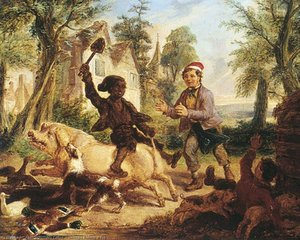
william carse
1800 - 1845
Osnovne informacije
- Artistic Movement Or Style: Paulus Potter Style
- Artists Or Movements Influenced By This Artist: ['Romanticism']
- Artists Who Influenced This Artist: ['David Allan']
- Date Of Death: 1845
- Full Name: William Carse
- Nationality: Scottish
- Notable Artworks:
- Leith Scene
- Glenriddell
- Place Of Birth: Edinburgh, Scotland

