

 Pregledaj u prostoru
 Podeli
 Podeli
 Detalji
 Vodič
Vodič

 Preuzmi sliku
 Slični predmeti
 Rendgenski snimak
 Automatska prezentacija
 Statistika
The Nymphaeum


 Pročitaj više
Giclee štampa / Umetnički otisak
Giclée štampa ili print na platnu muzejskog kvaliteta uz brzu izradu i raznovrsne opcije završne obrade. ( Naručite ručno oslikano reprodukciju Pređi na prodaju digitalnih slika)




P118B дин10

P118H дин10

P118W дин10

P438Z дин10

P508JH дин12

P508YH дин12

P805H дин10

P805Z дин10

P919BZ дин10

P919G дин10

P919XJ дин10

P959ZH дин10

P968JZ дин12

W106C дин8

W218G дин10

W218JH дин8

W218Y дин10

W307PJ дин10

W316G дин10

W316PJ дин8

W316Y дин10

W398PJ дин8

W4111J дин10

W500HY дин15

W500JH дин15

W692G дин12

W849H дин8

W940BG дин15

W953PJ дин8




Izaberite jednu od naših unapred definisanih veličina koje odgovaraju originalnim proporcijama umetničkog dela.

Unesite širinu i visinu koja vam je potrebna, kako bi se uklopili u vaš ram ili na vaš zid. Štampa se može samo iseći, nikada ne može biti veća od originalne slike, stoga format sa drugačijim proporcijama gubi deo slike. Poslaćemo vam digitalni prikaz radi potvrde pre nego što započnemo štampu. Slika prikazana na ovoj stranici ne pokazuje stvarni rez — to pokazuje samo digitalni prikaz.
Dostava širom sveta () za 2 nedelje umesto uobičajenih 4/5 nedelja. (23 октобар)

Besplatna ekspresna dostava širom sveta

Visokokvalitetno laneno platno

Sveobuhvatno osiguranje transporta

Garancija povraćaja carine i uvoznih dažbina

Garancija vernosti boja i autentičnosti pri reprodukciji

Politika povraćaja u roku od 100 dana (samo u slučaju nedostataka)

Garancija povrata 100% novca

Popust pri većoj količini
 Opcija sa staklom dostupna je samo za dimenzije manje od 110 cm

The Nymphaeum
Giclee štampa / Umetnički otisak
Veličina reprodukcije
-


Ukupna cena
дин 8227
The Allure of Myth in Bouguereau's Nymphaeum
To gaze upon William Adolphe Bouguereau’s The Nymphaeum is to step directly into a sun-dappled corner of classical mythology, a place where artifice and idealized nature merge seamlessly. This magnificent oil on canvas, painted in 1878, remains a quintessential embodiment of the academic tradition while simultaneously whispering secrets of timeless beauty. The scene itself transports us to an imagined sanctuary—a grotto or fountainhead where nymphs, embodiments of fresh water and untamed grace, gather in playful abandon. Bouguereau does not merely paint figures; he captures a moment suspended in amber, allowing the viewer to feel the warmth of the sun and hear the gentle murmur of unseen waters.
Mastery of Form and Light
Technically speaking, The Nymphaeum is a breathtaking display of academic realism. Bouguereau’s command over the human form is legendary, and here it shines with unparalleled brilliance. The composition itself is a carefully orchestrated ballet; the figures are arranged in a harmonious, almost circular flow that guides the eye across the canvas. Notice how the artist handles the interplay between light and shadow—it is not merely illumination, but an active participant in the narrative. Bouguereau uses his rich palette of vibrant blues, lush greens, and warm yellows to build a verdant atmosphere, making the skin tones appear luminous against the backdrop of foliage. Every fold of drapery, every strand of hair, possesses an intricate detail that speaks to countless hours of meticulous brushwork.
Symbolism and the Classical Ideal
The subject matter—nymphs frolicking near a fountain—is deeply rooted in Greco-Roman mythology. Nymphs were spirits associated with nature, embodying fertility, beauty, and the wild vitality of the natural world. By choosing this theme, Bouguereau taps into humanity’s enduring fascination with idealized femininity and pastoral bliss. The painting functions as an ode to classical perfection; it suggests a moment untouched by the grime of modern life, existing instead in a realm where art and nature are one. For the collector or decorator, owning such a piece is not just acquiring art; it is curating an atmosphere of elevated, timeless elegance for your space.
An Enduring Emotional Resonance
What makes The Nymphaeum so captivating beyond its technical merits is its emotional resonance. There is a palpable sense of joy and languid intimacy among the figures. They interact with one another, their poses suggesting shared secrets and carefree moments. This dynamic yet balanced energy allows the viewer to project their own feelings onto the scene—a yearning for such unburdened beauty. Whether you are seeking a focal point that speaks to historical grandeur or an artwork that simply elevates the spirit, Bouguereau’s mastery ensures that this piece remains perpetually captivating, offering a glimpse into a perfected, mythic reality.
Pitanja i odgovori
Kolika je luminansa dela „The Nymphaeum”, Вилијам Адволд Богероу?
Luminansa zabeležena za „The Nymphaeum”, Вилијам Адволд Богероу iznosi Dark.
Kako se emocija i prilika za poklon spajaju kod dela „The Nymphaeum”, Вилијам Адволд Богероу?
Sa svojim Ethereal emocionalnim tonom, delo „The Nymphaeum”, Вилијам Адволд Богероу se preporučuje kao poklon za Anniversary.
Mogu li da koristim proširenu stvarnost kako bih video/la „The Nymphaeum”, Вилијам Адволд Богероу u svojoj prostoriji?
Delo „The Nymphaeum”, Вилијам Адволд Богероу možete isprobati na svom zidu putem stranice AR pregled, koristeći proširenu stvarnost na kompatibilnom uređaju.
Biografija umetnika
William-Adolphe Bouguereau (1825-1905): The Sculptor of Ideal Beauty
Born in La Rochelle, France, in 1825, William-Adolphe Bouguereau’s artistic journey began amidst the tranquil landscapes and artisanal traditions of his hometown. From a young age, he demonstrated an extraordinary aptitude for drawing and painting, fueled by a profound fascination with classical art – specifically Raphael and Titian – whose mastery captivated him deeply. These early influences would shape his entire artistic sensibility, guiding him toward a singular pursuit: to capture the essence of beauty in its purest form, mirroring the grandeur and serenity of antiquity. His formal training commenced at the École des Beaux-Arts in Paris, where he honed his skills under the tutelage of François-Edouard Picquenot, absorbing the precepts of academic realism and embracing the challenge of replicating nature with unparalleled accuracy.The Pursuit of Anatomical Perfection
Bouguereau’s artistic technique was characterized by an obsessive attention to detail—a cornerstone of academic art. He possessed an unrivaled understanding of human anatomy, meticulously dissecting cadavers to gain firsthand knowledge of musculature and skeletal structure. This anatomical precision wasn't merely a matter of technical proficiency; it served as the foundation for his ability to convey emotion and narrative depth within his compositions. His figures were rendered with breathtaking realism—the subtle curve of a shoulder, the delicate blush of skin, the expressive gaze—yet they possessed an ethereal quality that transcended mere imitation. He sought to achieve a level of perfection that honored both scientific observation and artistic intuition.Mythological Visions: Echoes of Antiquity
Bouguereau’s artistic vision found its expression most powerfully in mythological scenes, transforming ancient tales into luminous canvases brimming with emotion and grandeur. *The Birth of Venus*, arguably his most iconic work, exemplifies this approach—a sublime depiction of the goddess Aphrodite emerging from the seafoam, bathed in ethereal light and adorned with flowing drapery. Bouguereau skillfully employed color palettes reminiscent of Titian’s Venetian masterpieces, creating a visual experience that transported viewers back to the glories of classical Rome. Similarly, *Zenobia Found by Shepherds on the Banks of the Araxes* captures the vulnerability and pathos of Zenobia—the queen of Palmyra—as she is discovered by humble shepherds amidst a pastoral landscape. Bouguereau’s masterful use of composition—diagonal lines converging toward a central focal point—reinforced the narrative power of his paintings, guiding the viewer's eye across the canvas with deliberate precision.Genre Scenes: Moments of Everyday Life
Beyond mythology, Bouguereau explored the realm of genre scenes—depictions of ordinary life imbued with dignity and tenderness. *Faneuse (1869)* exemplifies this approach—a young woman seated in a tranquil garden setting, rendered with exquisite detail and atmospheric subtlety. Bouguereau’s meticulous observation of light and shadow—a hallmark of academic realism—created an image that resonated with profound emotional depth. He skillfully captured the fleeting expressions of human emotion—joyful smiles, wistful glances—transforming commonplace moments into enduring symbols of beauty and grace.A Legacy Enduring Through Time
Despite initial skepticism from avant-garde critics who championed abstraction and experimentation, Bouguereau’s artistic legacy endured through time. His unwavering commitment to traditional artistic values—anatomical accuracy, meticulous draftsmanship, and emotional expression—inspired generations of artists. He established a studio that attracted students from across Europe, fostering a vibrant community of painters dedicated to upholding the ideals of academic realism. Today, Bouguereau’s paintings are housed in prestigious museums worldwide—the Musée d’Orsay in Paris, the Carnegie Museum, and The J. Paul Getty Museum—ensuring that his vision of beauty continues to captivate audiences and inspire artistic creativity. His influence can be seen in contemporary figurative painting, where artists strive for a similar level of technical mastery and emotional resonance – a testament to the enduring power of Bouguereau’s artistic genius.
Вилијам Адволд Богероу
1825 - 1905 , Francuska
Brzi pregled
- Artistic Movement Or Style: Akademska Realizam
- Artists Or Movements Influenced By This Artist: ['Akademija umetnosti']
- Artists Who Influenced This Artist:
- Rafael
- Titian
- Date Of Birth: 1825
- Date Of Death: 1905
- Full Name: William-Adolphe Bouguereau
- Nationality: Francuz
- Notable Artworks:
- Nymphaeum
- Bergère 1886
- Child at Bath
- Song of the Angels
- Birth of Venus
- Place Of Birth: La Rochelle, Francuska
Srodni članci
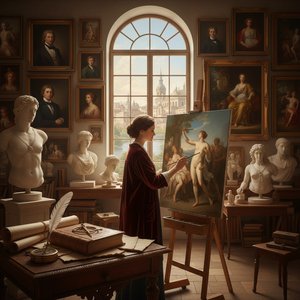
Academic Realism: Technique, History & Enduring Influence on Art
Explore the captivating world of Academic Realism! Discover key artists, techniques & its lasting impact on art history. Expert insights & high-quality reproductions at OriginalUniqueArt.
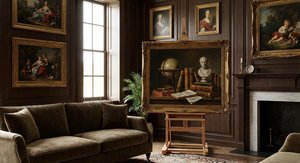
Academic Realism's Finest: 10 Masterpieces for Art Lovers & Home Decor
Explore 10 defining Academic Realism masterpieces by Bouguereau, Gérôme & Cabanel. Discover the stories behind these iconic paintings and bring timeless art into your home with museum-quality reproductions from OriginalUniqueArt.com. Explore the full collection online!

Mastering Perfection: A Definitive Guide to the Elegance and Precision of Academic Classicism
Explore the rigorous beauty of Academic Classicism. Discover the principles of order, precision, and historical reverence that define this timeless art movement through an expert guide to its enduring legacy and technical mastery.

The Beauty of Perfection: A Journey Through the Rigor and Radiance of Academic Realism
Explore the profound elegance of Academic Realism. Discover how meticulous observation, anatomical precision, and the pursuit of ideal beauty created a timeless legacy of technical mastery and emotional depth in the world's most revered art academies.
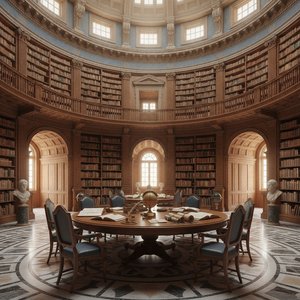
The Timeless Elegance of Academic Classicism: A Journey Through Order, Precision, and the Pursuit of Perfection
Explore the profound beauty of Academic Classicism. Discover how masters used order, precision, and classical ideals to achieve timeless perfection in art history, from Neoclassical portraits to the pursuit of ideal beauty.

