

 Pregledaj u prostoru
 Podeli
 Podeli
 Detalji
 Vodič
Vodič

 Preuzmi sliku
 Slični predmeti
 Rendgenski snimak
 Automatska prezentacija
 Statistika
Three Passages: Ping’an, Heru, and Fengju
 24.0 x 47.0 cm
 Nacionalni palata muzej
 Pročitaj više
Ručno rađena uljana reprodukcija
Ručno oslikano uljanim bojama na platnu u dimenzijama i okviru po vašem izboru, izrađeno po porudžbini od strane naših umetnika. ( Pređi na prodaju štampanih primeraka Pređi na prodaju digitalnih slika)




































Izaberite jednu od naših unapred definisanih veličina koje odgovaraju originalnim proporcijama umetničkog dela.

Možete uneti sopstvene dimenzije kako biste prilagodili umetničko delo određenom okviru ili prostoru. Ako odabrana veličina ne odgovara proporcijama originala, slika će biti isečena ili proširena dodatnim elementima koji se ručno oslikavaju. Digitalni prikaz će vam biti poslat na odobrenje pre početka proizvodnje.
Imajte na umu da pregled na ekranu ne odražava stvarno prisecanje ili proširenje. Samo mockup će precizno prikazati konačnu kompoziciju.
Iako su dostupne prilagođene veličine, preporučujemo da izaberete dimenziju iz unapred definisane liste kako biste sačuvali originalne proporcije.
Nakon narudžbine, tim OriginalUniqueArt.com će klijentu putem e-pošte poslati uputstva i dostaviti prikaz predloženog rešenja
Svetska isporuka () za 3/4 nedelje umesto uobičajenih 5 nedelja. (25 септембар). Bez kompromisa po pitanju kvaliteta.

Besplatna ekspresna dostava širom sveta

Visokokvalitetno laneno platno

Sveobuhvatno osiguranje transporta

Garancija povraćaja carine i uvoznih dažbina

Garancija vernosti boja i autentičnosti pri reprodukciji

Politika povraćaja u roku od 100 dana (samo u slučaju nedostataka)

Garancija povrata 100% novca

Popust pri većoj količini
 Opcija sa staklom dostupna je samo za dimenzije manje od 110 cm

Three Passages: Ping’an, Heru, and Fengju
Tehnika izrade reprodukcije
Veličina reprodukcije
-


Ukupna cena
$ 300
Biografija umetnika
The Sage of Calligraphy: A Life Dedicated to the Art of Brush and Ink
Wang Xizhi, born around 303 CE in Linyi, Shandong province, China, stands as a monumental figure in East Asian art history—a calligrapher whose name resonates with reverence even today. Often hailed as the “Sage of Calligraphy” (Shu Sheng), Wang didn’t simply practice calligraphy; he embodied it, elevating the art form to unprecedented heights and establishing standards that would influence generations of artists across China, Korea, and Japan. His life, though documented through historical accounts and anecdotes, reveals a journey marked by both aristocratic privilege and profound dedication to aesthetic pursuit.
Born into a prominent family during the Jin dynasty, Wang’s early years offered little indication of his future mastery. Accounts suggest he initially struggled with writing, yet driven by an unwavering commitment, he devoted himself tirelessly to honing his skills. Legend has it that he practiced so diligently, even inscribing characters on his arm with his finger, and that the pond beside his studio was perpetually stained black from the constant flow of ink. This relentless pursuit laid the foundation for a revolutionary approach to calligraphy.
A Flourishing Career Amidst Political Turmoil
The Jin dynasty was a period of significant political upheaval, and Wang Xizhi’s life mirrored this instability. Following the collapse of the Western Jin dynasty, his family fled south, seeking refuge from the turmoil. Despite these challenges, he managed to secure various government positions between 324 and 354 CE, reaching the esteemed title of “General of the Right Army” in 347 and later becoming administrator of Kuaiji (present-day Shaoxing, Zhejiang). However, Wang’s true passion lay not in politics but in the refinement of his artistic expression. He eventually retired from public service in 355 to fully immerse himself in Taoist practices and calligraphy.
His engagement to Xi Xuan around 323 CE proved pivotal, resulting in eight children, including Wang Xianzhi, who would also achieve renown as a calligrapher—cementing the family’s legacy within the art world. The collaborative spirit and shared dedication to calligraphy within the Wang family further amplified their influence on subsequent generations.
The Lantingji Xu: A Masterpiece Born of Celebration
Wang Xizhi's most celebrated work, composed in 353 CE, is the Lantingji Xu (蘭亭集序; “Preface to the Poems Composed at the Orchid Pavilion”). This remarkable piece emerged from a convivial gathering hosted by Wang for forty-one friends, relatives, and pupils at Mount Kuaiji. The occasion involved a "winding stream party," where participants composed poetry as they enjoyed wine flowing down a creek. It was during this spirited event that Wang penned the Lantingji Xu, a preface to the collection of poems created that day.
Written in the Running Style (xingshu), the Lantingji Xu is lauded for its effortless fluidity, dynamic brushwork, and harmonious balance between legibility and artistic expression. The work captures not only the joy of the gathering but also Wang’s profound connection to nature and his philosophical reflections on life's transience. While no original versions survive today—only rubbings and tracing copies remain—the Lantingji Xu continues to be revered as the pinnacle of Chinese calligraphy, studied and emulated by artists for centuries.
Legacy and Enduring Influence
Wang Xizhi’s mastery extended beyond the Running Style; he excelled in Regular Script (kaishu) and Cursive Script (caoshu) as well. However, his true innovation lay in his ability to synthesize these styles, creating a unique aesthetic that prioritized naturalness, spontaneity, and emotional resonance. He didn’t merely copy existing texts; he infused them with his own personality and artistic vision.
His impact on the art world was profound. Emperor Taizong of Tang (626-649 CE) recognized Wang Xizhi as the defining standard for Chinese calligraphy, mandating that imperial court scholars study his techniques. He commissioned calligraphers to create handwritten tracing copies and ink rubbings of Wang’s works, ensuring their preservation and dissemination. This patronage solidified Wang's position as a cultural icon and established his style as the benchmark for excellence.
Today, Wang Xizhi remains an enduring symbol of artistic dedication and innovation. His influence permeates East Asian calligraphy, inspiring artists to strive for balance, harmony, and emotional depth in their work. The “Sage of Calligraphy” continues to captivate audiences with his timeless masterpieces, reminding us of the power of brush and ink to transcend time and culture.
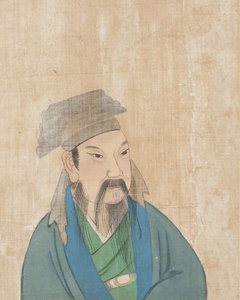
wang hsi-chih
China
Brzi pregled
- Artistic Movement Or Style: Chinese calligraphy
- Artists Or Movements Influenced By This Artist:
- Wang Xianzhi
- Tang calligraphy
- Artists Who Influenced This Artist:
- Wei Shuo
- Zhao Mengfu
- Date Of Birth: c. 303
- Date Of Death: c. 361
- Full Name: Wang Xizhi
- Nationality: Chinese
- Notable Artworks:
- Lantingji Xu
- Timely Clearing After Snowfall
- Place Of Birth: Linyi, China
