
 Pregledaj u prostoru
 Pošalji
 Podeli
 Detalji o delu
 Vodič
Vodič

 Preuzmi
 Slični predmeti
 Rendgenski snimak
 Automatska prezentacija
 Pitanja i odgovori
 Statistika
Mrs Richard Le Doux

- 1115.0 x 2000.0 cm


 Pročitaj više
Giclee štampa / Umetnički otisak
Giclée štampa ili print na platnu muzejskog kvaliteta uz brzu izradu i raznovrsne opcije završne obrade. ( Kupite ručno oslikano delo Pređi na digitalnu sliku)




P118B дин10

P118H дин10

P118W дин10

P438Z дин10

P508JH дин12

P508YH дин12

P805H дин10

P805Z дин10

P919BZ дин10

P919G дин10

P919XJ дин10

P959ZH дин10

P968JZ дин12

W106C дин8

W218G дин10

W218JH дин8

W218Y дин10

W307PJ дин10

W316G дин10

W316PJ дин8

W316Y дин10

W398PJ дин8

W4111J дин10

W500HY дин15

W500JH дин15

W692G дин12

W849H дин8

W940BG дин15

W953PJ дин8




Izaberite jednu od naših unapred definisanih veličina koje odgovaraju originalnim proporcijama umetničkog dela.

Unesite željenu širinu i visinu kako bi se štampa uklopila u vaš ram ili zid. Štampu je moguće samo iseći, ali nikada povećati iznad dimenzija originalne slike, stoga format sa drugačijim proporcijama uzrokuje gubitak dela slike. Pre početka štampe, poslaćemo vam digitalni prikaz radi potvrde. Slika prikazana na ovoj stranici ne predstavlja stvarni isrez — to pokazuje samo digitalni prikaz.
Dostava širom sveta () za 2 nedelje umesto uobičajenih 4/5 nedelja. (4 новембар)

Besplatna ekspresna dostava širom sveta

Visokokvalitetno laneno platno

Potpuno osiguranje transporta

Garancija povraćaja carine i uvoznih dažbina

Garancija vernosti boja

Politika povraćaja u roku od 100 dana (samo u slučaju nedostataka)

Garancija povrata 100% novca

Popust na više proizvoda
 Opcija sa staklom dostupna je samo za dimenzije manje od 110 cm

Mrs Richard Le Doux
Giclee štampa / Umetnički otisak
Dimenzije reprodukcije
-


Ukupna cena
дин 8454
Biografija umetnika
A Life Painted Across Continents: The Journey of Vlaho Bukovac
Born Biagio Faggioni in 1855, amidst the sun-drenched shores of Cavtat, Croatia, Vlaho Bukovac’s life was a testament to artistic ambition and cultural fusion. His heritage—an Italian father from Genoa and a Croatian mother—instilled within him a unique perspective, one that would ripple through his canvases and define his eclectic style. Early hardship marked his youth; the sea beckoned not as a romantic ideal but as a necessity, leading him on voyages between Istanbul, Liverpool, and Odessa. These formative years, though physically demanding, broadened his horizons and ignited a restless spirit, ultimately steering him toward the world of art. A brief sojourn in America further fueled this burgeoning passion before he found formal training under Domenico Tojetti in San Francisco, laying the groundwork for his future artistic endeavors. It was in Paris, however, at the prestigious École des Beaux-Arts under the tutelage of Alexandre Cabanel, that Bukovac truly blossomed, embracing a classical academic style that would initially define his success. He soon adopted the name Vlaho Bukovac, a deliberate act of reclaiming and celebrating his Croatian identity—a theme that would resonate throughout his career.From Parisian Salons to Zagreb’s Artistic Awakening
Bukovac's early artistic period unfolded within the vibrant atmosphere of the French Salon, where he quickly gained recognition for his “sugary” realistic style. His paintings were fashionable, technically proficient, and catered to the tastes of a discerning audience. This success afforded him opportunities to travel extensively—to England, Dalmatia, the Black Sea, even as far afield as Chile, Peru, and North America—and to cultivate patronage from influential figures like Samson Fox and Richard LeDoux in England. These commissions allowed him to hone his skills and experiment with various subjects, including large-scale religious works such as “Suffer the Little Children to Come to Me,” a piece that garnered significant attention for its emotional depth and skillful execution. Portraits became another cornerstone of his practice, capturing the likenesses of prominent individuals from British society and the Serbian court with meticulous detail. However, it was his return to Croatia in 1893 that marked a pivotal turning point. He arrived in Zagreb at a moment ripe for artistic innovation, becoming a central figure in the city’s burgeoning art scene and introducing French influences that would reshape Croatian painting. This period saw a shift towards lighter colors, liberated brushstrokes, and an increased emphasis on capturing the fleeting effects of light—a departure from the rigid constraints of academic realism.A Palette of Innovation: Style and Key Works
Bukovac’s artistic evolution was characterized by a willingness to experiment and embrace new techniques. While initially rooted in academic tradition, he gradually moved towards Impressionism and Pointillism, demonstrating an openness to the avant-garde movements sweeping across Europe. This stylistic fluidity is evident in his diverse body of work. “Une Fleur” (A Flower), created in 1887 during his French period, remains one of his most celebrated paintings—a reclining nude that achieved significant recognition and commanded a substantial price at auction. Other popular subjects included "The White Slave," "Potiphar’s Wife," and "Adam and Eve," all showcasing his mastery of the human form and his ability to evoke sensuality and emotion. Back in Croatia, he undertook ambitious projects such as painting the theatre curtain for the Croatian National Theatre, a testament to his commitment to fostering national identity through artistic expression. Works like “Gundulić’s Dream” (1894), "Montenegran Woman", "Minstrel," "Autumn Landscape" and "A Little Dream" further exemplify his evolving style and his deep connection to the Croatian landscape and culture.Legacy of a Transnational Artist
Vlaho Bukovac’s influence extended beyond his paintings; he was also a dedicated educator, serving as a professor at the Academy of Fine Arts in Prague where he introduced Pointillism to a new generation of artists, including Mirko Rački. His death in Prague in 1922 marked the end of a prolific and multifaceted career that spanned multiple locales and artistic styles. He is remembered not only for his technical skill and aesthetic sensibility but also for his role as a cultural bridge—a painter who seamlessly blended Italian heritage, Croatian identity, and French artistic influences. Bukovac’s work represents a crucial transition in modern Croatian art, moving away from rigid academicism towards greater experimentation and individual expression. He remains a significant figure in the history of fine arts in Zagreb, celebrated for his contributions to national identity and his enduring legacy as an artist who dared to embrace change and explore new horizons. His paintings continue to captivate audiences with their beauty, emotional depth, and timeless appeal.
Vlaho Bukovac
1855 - 1922 , Croatia
Osnovne informacije
- Full Name: Vlaho Bukovac
- Nationality: Croatian
- Date Of Birth: 1855
- Date Of Death: 1922
- Place Of Birth: Tivat, Croatia
- Notable Artworks:
- Une Fleur
- Suffer the Little Children
- Samson Fox
- Gundulić's Dream
- Artistic Movement Or Style: Impressionism, Realism
- Artists Who Influenced This Artist: ['Alexandre Cabanel']
- Artists Or Movements Influenced By This Artist:
- Mirko Rački
- Croatian Nationalism
Povezani članci
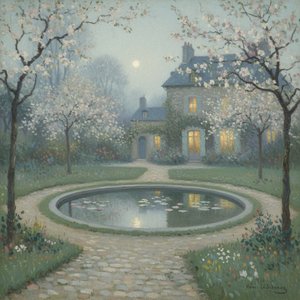
Henri Le Sidaner: Evoking Atmosphere & Intimacy in Post-Impressionist Landscapes
Discover the evocative world of Henri Le Sidaner, a master of Intimist painting. Explore his tranquil landscapes & atmospheric interiors – a celebration of light and intimacy. Learn about his life, style, and lasting legacy.

Iza svetlosti i boje: Impresionizam protiv postimpresionizma za diskriminatornog kolekcionara
Istražite suptilne razlike između Impresionizma i Postimpresionizma sa OriginalUniqueArt-om. Saveti za kolekcionare, investicije u umetnost i vrhunske reprodukcije slika. Pronađite savršeno delo za vašu kolekciju!

Paul Cézanne: 25 Remek-dela Revolucionarnog Umjetnika | OriginalUniqueArt
Istražite 25 remek-dela Paula Cézanna, revolucionarnog slikara impresionizma i postimpresionizma. Otkrijte priče iza ikoničnih pejzaža, portreta i mrtve prirode. Kupite luksuzne reprodukcije slika na OriginalUniqueArt.com!

Impressionism's Masterpieces: 10 Paintings That Defined a Movement | OriginalUniqueArt
Journey through Impressionism's heart with 10 iconic paintings by Monet, Renoir & Degas. Explore light, color & the stories behind these masterpieces. Find museum-quality art reproductions and elevate your home decor on OriginalUniqueArt.com.

Richard Hayley Lever: A Study in British Impressionism & Coastal Light
Explore the captivating world of Richard Hayley Lever (1876-1958), a master of Impressionism renowned for his vibrant coastal scenes. Discover his life, style & legacy with OriginalUniqueArt.