

 Pregledaj u prostoru
 Podeli
 Podeli
 Detalji
 Vodič
Vodič

 Preuzmi sliku
 Slični predmeti
 Rendgenski snimak
 Automatska prezentacija
 Statistika
The Dead Christ
 Oil On Canvas
- WallArt
- Baroque Revival
 1520
1520 145.0 x 185.0 cm
 Staatliche Museen zu Berlin
 Pročitaj više
Giclee štampa / Umetnički otisak
Giclée štampa ili print na platnu muzejskog kvaliteta uz brzu izradu i raznovrsne opcije završne obrade. ( Naručite ručno oslikano reprodukciju Pređi na prodaju digitalnih slika)




P118B дин10

P118H дин10

P118W дин10

P438Z дин10

P508JH дин12

P508YH дин12

P805H дин10

P805Z дин10

P919BZ дин10

P919G дин10

P919XJ дин10

P959ZH дин10

P968JZ дин12

W106C дин8

W218G дин10

W218JH дин8

W218Y дин10

W307PJ дин10

W316G дин10

W316PJ дин8

W316Y дин10

W398PJ дин8

W4111J дин10

W500HY дин15

W500JH дин15

W692G дин12

W849H дин8

W940BG дин15

W953PJ дин8




Izaberite jednu od naših unapred definisanih veličina koje odgovaraju originalnim proporcijama umetničkog dela.

Unesite širinu i visinu koja vam je potrebna, kako bi se uklopili u vaš ram ili na vaš zid. Štampa se može samo iseći, nikada ne može biti veća od originalne slike, stoga format sa drugačijim proporcijama gubi deo slike. Poslaćemo vam digitalni prikaz radi potvrde pre nego što započnemo štampu. Slika prikazana na ovoj stranici ne pokazuje stvarni rez — to pokazuje samo digitalni prikaz.
Dostava širom sveta () za 2 nedelje umesto uobičajenih 4/5 nedelja. (26 октобар)

Besplatna ekspresna dostava širom sveta

Visokokvalitetno laneno platno

Sveobuhvatno osiguranje transporta

Garancija povraćaja carine i uvoznih dažbina

Garancija vernosti boja i autentičnosti pri reprodukciji

Politika povraćaja u roku od 100 dana (samo u slučaju nedostataka)

Garancija povrata 100% novca

Popust pri većoj količini
 Opcija sa staklom dostupna je samo za dimenzije manje od 110 cm

The Dead Christ
Giclee štampa / Umetnički otisak
Veličina reprodukcije
-


Ukupna cena
дин 8248
A Somber Reflection on Mortality: Vittore Carpaccio’s “The Dead Christ”
Vittore Carpaccio's "The Dead Christ," painted circa 1520, stands as a poignant testament to the artistic sensibilities of Venice during the High Renaissance. More than just a depiction of religious iconography—the lifeless body of Jesus cradled by grieving figures—it embodies a profound meditation on death and mourning, reflecting the anxieties prevalent in a period grappling with theological upheaval and humanist inquiry. This monumental canvas (145 x 185 cm) resides within the Gallerie dell’Accademia, offering visitors an unparalleled opportunity to experience Carpaccio's masterful execution of narrative painting.Style and Influences: A Conservative Voice Amidst Change
Carpaccio distinguishes himself from his contemporaries through a remarkably restrained artistic style. Unlike the burgeoning humanist movement that championed classical ideals and vibrant color palettes—evident in works by Giovanni Bellini and Andrea Mantegna—Carpaccio adhered to a more conservative approach, prioritizing clarity of form and emotional resonance over stylistic innovation. His visual vocabulary draws heavily from Antonello da Messina’s influence, particularly his meticulous attention to detail and use of oil paint, alongside early Netherlandish art's emphasis on realism and psychological depth. This confluence resulted in an aesthetic that prioritizes solemn contemplation rather than dramatic spectacle.Technique: The Art of Layered Detail
Carpaccio employed a technique characterized by painstaking layering—a hallmark of Venetian painting at the time—to achieve remarkable textural richness and luminosity. He meticulously built up his composition using thin glazes of oil paint, allowing underlying pigments to subtly interact and create nuanced tonal variations. This method ensured that every surface was rendered with meticulous precision, capturing the contours of Christ’s body and the expressions of sorrowful onlookers alike. The artist skillfully utilized chiaroscuro—the dramatic interplay between light and shadow—to heighten the emotional impact of the scene, directing viewers' gaze towards the central figure and emphasizing the solemn atmosphere.Historical Context: Grief and Remembrance in Renaissance Venice
Painted during a time marked by religious fervor and intellectual debate, “The Dead Christ” speaks to the broader cultural concerns of Renaissance Venice. The depiction of mourning figures—a common motif in devotional art—reflects the pervasive preoccupation with mortality and the desire for spiritual solace amidst uncertainty. Carpaccio’s work aligns itself with the theological debates surrounding indulgences and papal authority, subtly conveying a sense of humility before divine judgment. Furthermore, it underscores the importance of remembrance and veneration within Christian tradition.Symbolism: The Body as Emblematic Representation
The central image—the crucified Christ—serves as an enduring symbol of sacrifice and redemption. Carpaccio’s portrayal emphasizes the physicality of Christ's suffering, grounding the theological narrative in tangible reality. The surrounding figures—primarily mourners—represent humanity grappling with grief and loss, mirroring the universal experience of mortality. Their gestures of compassion and sorrow underscore the importance of empathy and spiritual contemplation. The inclusion of a tree nearby – a traditional symbol of life and resurrection – subtly reinforces the overarching theme of hope amidst despair.Emotional Impact: A Profound Meditation on Suffering
“The Dead Christ” transcends mere visual representation; it evokes a powerful emotional response in viewers. Carpaccio’s masterful use of color—primarily muted browns and reds—creates an atmosphere of solemnity and melancholy, mirroring the profound sorrow experienced by those witnessing the crucifixion. The artist's meticulous attention to detail captures not only the physical appearance of Christ but also the psychological state of his mourners, fostering a sense of empathy and prompting reflection on themes of faith, grief, and human vulnerability. It remains an enduring masterpiece—a poignant reminder of humanity’s capacity for compassion and its unwavering belief in spiritual transcendence.Pitanja i odgovori
Za šta se preporučuje korišćenje printa dela "The Dead Christ"?
Preporučena upotreba printa dela "The Dead Christ" je Statement.
Kako se boje dela "The Dead Christ" međusobno povezuju?
Harmonija boja dela "The Dead Christ" zabeležena je kao Strong Color Unity.
Da li je dostupno preuzimanje "The Dead Christ" u visokoj rezoluciji?
Da biste dobili digitalni fajl dela „The Dead Christ”, Виторе Карпачо, poručite preuzimanje digitalne slike visoke rezolucije na njegovoj stranici Digitalna slika.
Biografija umetnika
Рани живот и формирање уметника
Виторе Карпачо, један од најистакнутијих венецијанских сликара ренесансе, рођен је у Венецији око 1465. године. Његово име се повремено среће и као Ветор Скарпанзо или Виторе Карпатио. Како су многи тадашњи уметници, и Карпачо је свој уметнички пут започео под менторством великог Ђентиле Белинија, познатог мајстора венецијанске школе сликања. Овај период учеништва био је од суштинског значаја за његов каснији развој и успех, пружајући му чврсту основу у техници и естетици.
Уметнички стил и инспирације
Карпачов стил се одликује конзервативним приступом, са минималним трагама хуманистичких тенденција које су током његовог живота трансформисале италијанско ренесансно сликарство. Уместо да следи најновије трендове, Карпачо је црпео инспирацију из радова Антонијела да Месине и уметности раног холандског сликарства. Ова необична комбинација стилова резултирала је препознатљивим приступом венецијанској школи, карактеристичним по пажњи према детаљу, реализму и наративном квалитету.
Најзначанија дела и наративна вештина
Иако није био познат по експериментисању са новим техникама, Карпачо је стекао велику славу захваљујући својој способности да прича приче кроз слике. Његово најпознатије дело, циклус слика Легенда о Светој Урсули, представља ремек-дело наративног сликарства. Ова серија од девет платна, данас изложена у Галеријама Академије у Венецији, демонстрира његову мајсторску вештину у приказивању сложених сцена и емоција. Слава Светој Урсули (1491) показује Карпачов таленат за хватање светла и боје, подсећајући на стил Ђованија Белинија. Чудо реликвије Крста на Риалту (1494) је још један пример његове способности да хармонично споји композицију и наратив.
Каријера, наслеђе и оријентални утицаји
Карпачо је своја главна дела створио између 1490. и 1519. године, што га сврстава међу раног мајсторе венецијанске ренесансе. Његов оријентални стил, видљив у делу Свети Ђорђе крштава Селените, одражава растући интерес за Левант и далеке земље. Иако је био изузетно талентован, Карпачово дело је често остајало у сенци његових савременика попут Ђованија Белинија или Ђорђонеа. Ипак, његов рад представља драгоцен део венецијанског сликарства и нуди уникатан поглед на живот и културу ренесансне Венеције.
Референце и даља читања
Откријте више о Витору Карпачу и венецијанској школи на OriginalUniqueArt.
Виторе Карпачо
1465 - 1526 , Србија
Brzi pregled
- Artistic Movement Or Style: Rani venecijanski renesans
- Artists Or Movements Influenced By This Artist: ['Rani nizozemski slikarstvo']
- Artists Who Influenced This Artist:
- Antonello da Messina
- Gentile Bellini
- Date Of Birth: Venecija, Italija (oko 1465)
- Date Of Death: 1526.
- Full Name: Vittore Carpaccio
- Nationality: Italijan
- Notable Artworks:
- Legenda o Sv. Ursuli
- Slava oltara Sv. Ursule
- Čudo relikvije krsta
- Place Of Birth: Venecija, Italija
Srodni članci
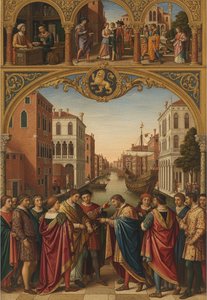
Vittore Carpaccio: Venetian Renaissance Narrative & the Poetics of Detail
Explore the captivating world of Vittore Carpaccio, a master storyteller of the Venetian Renaissance. Discover his intricate details, narrative cycles like 'The Legend of St. Ursula,' and unique artistic style.

The Enduring Power of Painting: A Historical & Contemporary Exploration of Form and Emotion
Explore the rich history & enduring techniques of oil painting with OriginalUniqueArt. Discover masterpieces, learn about art collecting, and find authentic handmade reproductions crafted by skilled artists.
Oil on Panel: The Ultimate Guide to Bold, High-Impact Texture & Depth
Master the art of impact with our expert guide to oil on panel. Discover how impasto textures and heavy-body pigments create 3D depth and bold visual energy for modern interiors. Elevate your space with high-impact, hand-painted masterpieces designed for maximum aesthetic punch.

The Enduring Legacy of Oil on Canvas: Technique, History & Aesthetic Impact
Explore the rich history & techniques of oil painting – from Renaissance masters to Impressionism. Discover pigments, layering methods, and why this timeless medium endures. Expert insights for artists & art enthusiasts.

Oil on Canvas: A Historical & Technical Exploration of a Timeless Artistic Medium
Explore the rich history & enduring techniques of oil painting on canvas. Discover the science behind its longevity, conservation practices, and contemporary relevance. Expert insights for art enthusiasts.
