

 Pregledaj u prostoru
 Podeli
 Podeli
 Detalji
 Vodič
Vodič

 Preuzmi sliku
 Slični predmeti
 Rendgenski snimak
 Automatska prezentacija
 Statistika
Judith
 Akril na platnu
- Umetnost za zidove
- Venetian Renaissance
 1520
1520 82.0 x 65.0 cm
 Fondazione Querini Stampalia
 Pročitaj više
Giclee štampa / Umetnički otisak
Giclée štampa ili print na platnu muzejskog kvaliteta uz brzu izradu i raznovrsne opcije završne obrade. ( Naručite ručno oslikano reprodukciju Pređi na prodaju digitalnih slika)




P118B дин10

P118H дин10

P118W дин10

P438Z дин10

P508JH дин12

P508YH дин12

P805H дин10

P805Z дин10

P919BZ дин10

P919G дин10

P919XJ дин10

P959ZH дин10

P968JZ дин12

W106C дин8

W218G дин10

W218JH дин8

W218Y дин10

W307PJ дин10

W316G дин10

W316PJ дин8

W316Y дин10

W398PJ дин8

W4111J дин10

W500HY дин15

W500JH дин15

W692G дин12

W849H дин8

W940BG дин15

W953PJ дин8




Izaberite jednu od naših unapred definisanih veličina koje odgovaraju originalnim proporcijama umetničkog dela.

Unesite širinu i visinu koja vam je potrebna, kako bi se uklopili u vaš ram ili na vaš zid. Štampa se može samo iseći, nikada ne može biti veća od originalne slike, stoga format sa drugačijim proporcijama gubi deo slike. Poslaćemo vam digitalni prikaz radi potvrde pre nego što započnemo štampu. Slika prikazana na ovoj stranici ne pokazuje stvarni rez — to pokazuje samo digitalni prikaz.
Dostava širom sveta () za 2 nedelje umesto uobičajenih 4/5 nedelja. (25 октобар)

Besplatna ekspresna dostava širom sveta

Visokokvalitetno laneno platno

Sveobuhvatno osiguranje transporta

Garancija povraćaja carine i uvoznih dažbina

Garancija vernosti boja i autentičnosti pri reprodukciji

Politika povraćaja u roku od 100 dana (samo u slučaju nedostataka)

Garancija povrata 100% novca

Popust pri većoj količini
 Opcija sa staklom dostupna je samo za dimenzije manje od 110 cm

Judith
Giclee štampa / Umetnički otisak
Veličina reprodukcije
-


Ukupna cena
дин 8248
Judith: A Venetian Masterpiece Reflecting Religious Piety and Artistic Innovation
Vincenzo Catena’s “Judith,” painted around 1520, stands as a testament to the flourishing Venetian Renaissance—a period characterized by humanist ideals and an unparalleled devotion to artistic excellence. This striking depiction captures a pivotal biblical narrative: Judith, a Moabite widow driven by unwavering faith and courage, decapitates Holofernes, Assyrian king intent on ravaging Jerusalem. Catena’s canvas isn't merely a retelling of scripture; it’s a carefully crafted visual meditation on virtue, sacrifice, and divine retribution.
- Subject Matter: The painting centers on Judith herself—a figure embodying resilience and moral fortitude—and Holofernes’ severed head. This juxtaposition immediately establishes the dramatic tension at the heart of the scene.
- Style & Influences: Catena's artistic lineage traces back to Giovanni Bellini, whose serene compositions and masterful use of color profoundly impacted Venetian painters of his era. However, unlike Bellini’s predominantly spiritual works, “Judith” reveals a burgeoning interest in dramatic realism—a stylistic shift foreshadowing the bolder explorations championed by Titian and Giorgione.
- Technique: Catena employed oil paint on canvas, utilizing layering techniques to achieve remarkable depth and luminosity. The artist skillfully rendered textures – Judith’s drapery, Holofernes' flesh – conveying a palpable sense of physicality alongside spiritual significance. Notice the meticulous attention to detail in portraying Holofernes’ gruesome demise, reflecting the artistic conventions of the time.
- Historical Context: Created during a turbulent period marked by religious fervor and political instability—the Sack of Rome in 1527 being a defining event— “Judith” speaks to anxieties surrounding imperial aggression and the defense of Christian faith. It aligns with broader humanist concerns about portraying human emotions and moral dilemmas with uncompromising honesty.
- Symbolism: The sword symbolizes Judith’s righteous determination, while Holofernes' head represents fallen pride and ultimate defeat. Catena’s masterful use of color—particularly the dominant crimson hue adorning Judith’s gown—underscores themes of passion, sacrifice, and divine justice.
“Judith” transcends its biblical origins to become a timeless emblem of feminine courage and spiritual triumph. Its enduring appeal lies in Catena's ability to distill complex theological ideas into a visually arresting composition that continues to inspire awe and contemplation centuries later. A reproduction by OriginalUniqueArt.com allows you to experience this masterpiece’s beauty and nuance firsthand.
Pitanja i odgovori
Na koju fazu karijere umetnika Vincenzo Catena odgovara datum 1520 za delo "Judith"?
"Judith", nastalo 1520. godine, pripada Mature Period u karijeri umetnika Vincenzo Catena.
Kako je izgrađena koloristička kompozicija dela „Judith”, Vincenzo Catena?
U delu "Judith", Izjava kontrast je uparen sa Ujedinjena paleta harmonijom.
Da li se „Judith”, Vincenzo Catena čuva u matičnoj zemlji umetnika?
Ne – umetničko delo se čuva u inostranstvu. Rodna zemlja umetnika Vincenzo Catena je Italy, dok se muzej u kojem se čuva original dela „Judith” nalazi u državi Italija.
Biografija umetnika
Vincenzo Catena: A Venetian Renaissance Painter
Life and Background
- Born in Venice, Italy around 1470, Vincenzo Catena was a painter of the Venetian Renaissance.
- Little is known about his early life or formal training. Records are scarce regarding his upbringing and initial artistic development.
- He was also sometimes referred to as Vincenzo de Biagio.
- Catena passed away in 1531, leaving behind a modest but significant body of work.
Artistic Development and Influences
- Initially, Catena’s style closely resembled that of Giovanni Bellini, a leading Venetian painter known for his serene Madonnas and refined technique.
- The earliest documented mention of Catena is an inscription on the back of La Laura by Giorgione, where he’s described as Giorgione's *colego* (colleague).
- However, it wasn’t until after Giorgione’s death in 1510 that his innovative influence began to manifest itself in Catena’s paintings.
- He also shows some influences from Titian, another prominent figure of the Venetian School, particularly in his use of color and composition.
Major Works and Style
- Approximately a dozen paintings are confidently attributed to Catena based on signatures.
- The Martyrdom of St. Christina (1520), located in the church of Santa Maria Mater Domini in Venice, is his most securely dated work thanks to an inscription on its marble surround.
- Other notable works include The Adoration of the Shepherds, and several depictions of the Madonna and Child with Saints and Donors.
- Catena’s paintings often feature religious scenes and portraits, characterized by a blend of Bellini's precision and Giorgione’s atmospheric qualities.
- His style is marked by detailed realism, warm color palettes, and rich symbolism, typical of Venetian Renaissance art.
Historical Significance and Legacy
- While not as widely celebrated as some of his contemporaries like Titian or Giorgione, Catena played a role in the development of Venetian painting during a crucial period.
- His work demonstrates the transition between the High Renaissance and the emerging Mannerist styles.
- Wills left by Catena reveal he was a man of considerable wealth and had connections within Venetian humanist circles, suggesting his artistic success extended beyond purely aesthetic recognition.
- Today, Vincenzo Catena’s paintings are valued for their historical importance and offer insights into the artistic landscape of 16th-century Venice.
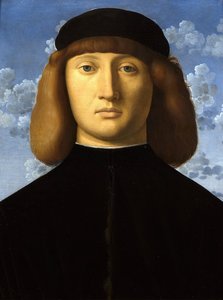
Vincenzo Catena
1470 - 1531 , Italy
Brzi pregled
- Name: Vincenzo Catena
- Movement: Renaissance, Venetian School
- Birth Date: 1470
- Death Date: 1531
- Birth Place: Venice, Italy
- Nationality: Italian
- Date Of Birth: 1470
- Date Of Death: 1531
- Influenced By:
- Giovanni Bellini
- Giorgione
- Notable Works:
- Santa Cristina Altarpiece
- The Adoration of the Shepherds
- Madonna and Child with a Holy Female Martyr, Saint Francis of Assisi and the Donor
- Place Of Birth: Venice, Italy
Srodni članci
Venetian Renaissance: The Golden Age of Color, Light, and Luminous Artistry
Embark on a journey through the Venetian Renaissance. Discover how masters like Giorgione and Titian revolutionized art through luminous color and light. Explore the profound legacy of the Venetian School and its enduring influence on the world of fine art.

Venetian Renaissance: The Mastery of Color, Light, and the Art of Colorito
Explore the luminous mastery of the Venetian Renaissance. Discover how masters like Titian and Giorgione revolutionized art through colorito, light, and atmosphere. An expert guide to the golden age of Italian painting for collectors and enthusiasts.

Giorgione: Enigma and Innovation in Early Venetian Renaissance Painting
Explore the enigmatic world of Giorgione, a pivotal figure in the Venetian Renaissance. Discover his innovative techniques, iconic paintings like 'The Tempest', and lasting influence on art history. Learn more at OriginalUniqueArt.
Titian: Innovation, Technique & the Venetian Renaissance Portrait Tradition
Explore the revolutionary techniques & enduring legacy of Titian, the master of Venetian Renaissance portraiture. Discover insights for collectors & appreciate his impact on art history.

The Golden Light of Innovation: Exploring the Venetian Renaissance Art Movement (1430–1580)
Explore the Golden Age of Venetian art (1430–1580). Discover Giorgione, Titian & Tintoretto's techniques, the 'colorito' revolution, and lasting influence. Expert insights for collectors & enthusiasts.
