 Pregledaj u prostoru
 Pošalji
 Podeli
 Detalji o delu
 Vodič
Vodič

 Preuzmi
 Slični predmeti
 Rendgenski snimak
 Automatska prezentacija
 Pitanja i odgovori
 Statistika
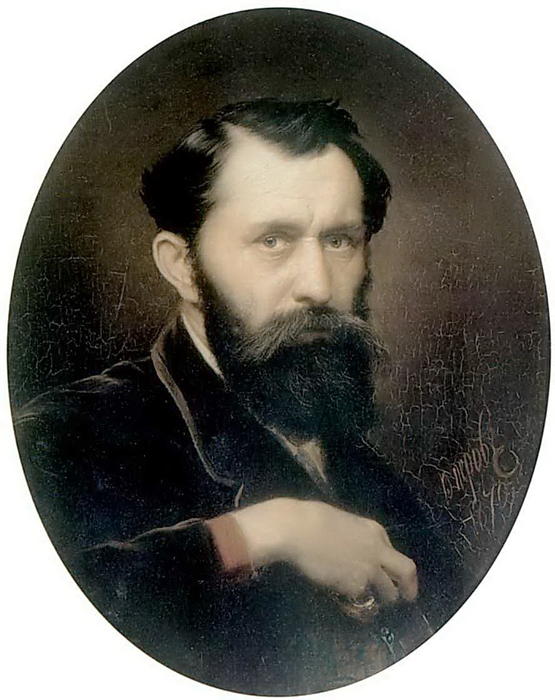
Self-portrait

- 63.0 x 52.0 cm


 Pročitaj više
Giclee štampa / Umetnički otisak
Giclée štampa ili print na platnu muzejskog kvaliteta uz brzu izradu i raznovrsne opcije završne obrade. ( Kupite ručno oslikano delo Pređi na digitalnu sliku)




P118B дин10

P118H дин10

P118W дин10

P438Z дин10

P508JH дин12

P508YH дин12

P805H дин10

P805Z дин10

P919BZ дин10

P919G дин10

P919XJ дин10

P959ZH дин10

P968JZ дин12

W106C дин8

W218G дин10

W218JH дин8

W218Y дин10

W307PJ дин10

W316G дин10

W316PJ дин8

W316Y дин10

W398PJ дин8

W4111J дин10

W500HY дин15

W500JH дин15

W692G дин12

W849H дин8

W940BG дин15

W953PJ дин8




Izaberite jednu od naših unapred definisanih veličina koje odgovaraju originalnim proporcijama umetničkog dela.

Unesite željenu širinu i visinu kako bi se štampa uklopila u vaš ram ili zid. Štampu je moguće samo iseći, ali nikada povećati iznad dimenzija originalne slike, stoga format sa drugačijim proporcijama uzrokuje gubitak dela slike. Pre početka štampe, poslaćemo vam digitalni prikaz radi potvrde. Slika prikazana na ovoj stranici ne predstavlja stvarni isrez — to pokazuje samo digitalni prikaz.
Dostava širom sveta () za 2 nedelje umesto uobičajenih 4/5 nedelja. (7 новембар)

Besplatna ekspresna dostava širom sveta

Visokokvalitetno laneno platno

Potpuno osiguranje transporta

Garancija povraćaja carine i uvoznih dažbina

Garancija vernosti boja

Politika povraćaja u roku od 100 dana (samo u slučaju nedostataka)

Garancija povrata 100% novca

Popust na više proizvoda
 Opcija sa staklom dostupna je samo za dimenzije manje od 110 cm

Self-portrait
Giclee štampa / Umetnički otisak
Dimenzije reprodukcije
-


Ukupna cena
дин 8485
Self-Portrait by Vasily Grigoryevich Perov: A Glimpse into the Soul of a Realist
The Self-portrait by Vasily Grigoryevich Perov, created in 1870, is a captivating example of Realism that continues to fascinate art enthusiasts worldwide. This oil on canvas painting measures 63 x 52 cm and stands as a testament to the artist's skill in capturing an accurate depiction of visual reality while simultaneously revealing profound psychological depth.
Artistic Context and Style: The Rise of Russian Realism
Perov was a key figure in the Russian Realist movement, which emerged in the mid-19th century as a reaction against Romantic idealism. Realism sought to depict life as it truly was, focusing on everyday subjects and social issues with unflinching honesty. Perov’s work had a significant impact on the development of art in Russia, influencing subsequent generations of artists who embraced this commitment to portraying reality without embellishment. The Self-portrait showcases Perov's ability to blend elements of realism with a deep understanding of human emotion. The painting is characterized by its use of earthy tones, subtle lighting, and an emphasis on texture, which creates a sense of depth and dimensionality. This meticulous attention to detail was central to the Realist aesthetic.
A Detailed Examination: Technique and Composition
The Self-portrait demonstrates Perov’s mastery of oil painting techniques. The artist employs subtle gradations of color and light to model the face and clothing, creating a sense of volume and realism. Noticeable brushstrokes add texture and vitality to the surface, preventing the image from appearing overly smooth or artificial. The composition is carefully considered; the subject's face is centrally positioned within an oval frame, drawing the viewer’s eye directly to his gaze. The dark background serves to isolate Perov, intensifying the focus on his expression and conveying a sense of introspection. The lighting appears soft and diffused, highlighting the textures of the man’s clothing and facial features.
Symbolism and Emotional Impact: A Portrait of Introspection
Beyond its technical brilliance, the Self-portrait resonates with viewers due to its emotional depth. Perov's expression is serious, perhaps even melancholic, inviting speculation about his inner thoughts and feelings. The long beard and hair, rendered with meticulous detail, suggest a man of intellect and experience. The overall somber mood, created by the muted color palette and dark background, contributes to an atmosphere of formality and introspection. While Perov was known for depicting scenes of social hardship in his other works (such as The Queue at The Fountain and A Meal in the Monastery), this self-portrait offers a more personal glimpse into the artist's own psyche.
Perov and His Contemporaries: A Legacy of Realism
Vasily Grigoryevich Perov (1834 – 1882) was born in Tobolsk, Russia. His early life was marked by complexity due to his illegitimacy, a circumstance that likely informed his later social commentary through art. He received training at the Alexander Stupin Art School and the Moscow School of Painting. Perov’s contributions to the art world are not limited to his Self-portrait. Other artists who explored the Realist style include Jean Baptiste Camille Corot and Albert Edelfelt. For example, Corot’s A Ford with Large Trees and Edelfelt's Conveying a Child showcase the versatility and range of Realism.
Pitanja i odgovori
Da li je delo "Self-portrait" autora Василиј Григорјевич Перов u javnom vlasništvu i zašto?
"Self-portrait" autora Василиј Григорјевич Перов je u u javnom vlasništvu – autorska prava su istekla. Autorska prava se računaju od godine smrti umetnika, a Василиј Григорјевич Перов je preminuo/la 1882.
Koliko je godina imao/la Василиј Григорјевич Перов kada je kreirao/la "Self-portrait" 1870. godine?
Василиј Григорјевич Перов je kreirao/la "Self-portrait" u uzrastu od 37 godina. Umetnik je rođen/a 1833, a delo je datirano na 1870. godinu.
Koliki je nivo kontrasta kod dela „Self-portrait”, autor Василиј Григорјевич Перов?
Svetlo-tamni kontrast dela "Self-portrait" je označen kao Statement. Kontrast opisuje stepen razlike između svetlih i tamnih površina.
Biografija umetnika
Живот урезани реализмом: Василиј Перов и душа Русије
Василиј Григоревич Перов, рођен као Василиј Васиљев 1834. године у удаљеном сибирском граду Тоболску, издигао се као кључна фигура руске уметности – сликар чији је рад постао синоним за критички реализам. Његова животнa прича сама по себи је прожета друштвеним сложеностима које је касније приказивао на платну. Рођен ванбрачно, од барона Григорија Криденера и Акулине Ивановe, Перовoви рани дани били су обележени неконвенционалним образовањем који га је усадио оштроумом за друштвене неједнакости. Усвајање презимена “Перов”, изведено од руске речи за "перо", кимнуо је на његову рану вештину калиграфије, предвећујући посвећеност детаљном описивању света око себе – света који се често игнорисао или намерно замрачивао. Његов формални уметнички пут започео је у Уметничкој школи Александра Ступина у Арзамасу, где је усавршио основне вештине пре него што је напредовао до Московске школе сликарства, скулптуре и архитектуре 1853. године. Ово раздобље било је кључно за обликовање његових техничких способности и излагање ширем спектру уметничких утицаја. Рано признање стигло је са сребрним и златним медаљама које су му доделиле Царска академија уметности за радове као што су “Комисар руралне полиције који спроводи истрагу” и, најзначајније, "Проповед у селу" 1861. године – слика која би га лансирала у националну светску јавност и омогућила му студирање у иностранству.Глас гласних: Теме и технике
Уметничка визија Перова била је дубоко укорењена у посвећености приказу руског друштва са неустрашивом искреношћу. Оdbацио је идеализоване приказа које су многи његови савременици фаворизовали, уместо тога бирајући да се фокусира на живот обичних људи – сељака, радника, маргинализованих и заборављених. Његове слике нису само представљање стварности; они су моћни друштвени коментари који откривају тешкоће, неправде и духовну празнину која је преовладавала у руској Русији из 19. века. "Проповед у селу", на пример, суптилно критикује религиозну лицемерност приказујући незаинтересовану црквену службу, док "Ред за воду" оштро илуструје дневне борбе руског села. Његова техника карактерисала се прецизним детаљима, тамном палетом боја и мајсторском употребом светлости и сенке за стварање драматичног ефекта. Није био заинтересован за романтизовање сиромаштва или патње; уместо тога, тражио је да га представи са достојанством и саосећањем, приморавајући гледаоце да се суоче са непријатним истинама о свом друштву. Радови као што су “Последњи пут”, који приказује сељанску погребну поворку, и "Тројка: ученици водовође" су елоквентни примери његове способности да изазове дубоке емоционалне одговоре кроз реалистичне портрете свакодневног живота. Перовoва вештина се протезала ван уљаних слика; такође је одлично владао техником акватинте, као што показује моћни монохроматски рад “Наушница. Пред олују”, који демонстрира његово мајсторство кијароскура и сложених детаља.Оснивање покрета: Передвижници
Перовoва посвећеност реализму савршено се уклопила у растући дух уметничке побуне који је довео до формирања Передвижника 1870. године. Ова колекција руских реалистичких сликара отцепила се од ограничења Академије, успоставивши независно друштво посвећено излагању уметности широм Русије – достижући публику ван граница Санкт Петербурга и Москве.- Передвижници су имали за циљ да приближе уметност народу,
- да се баве друштвеним проблемима кроз свој рад,
- и да промовишу јединствени руски уметнички идентитет.
Наслеђе и трајни утицај
Прерана смрт Василија Перова од туберкулозе 1882. године у доби од 48 година обележила је значајан губитак за руску уметност. Међутим, његово наслеђе наставило је да инспирише генерације уметника који су следили његовим стопама. Његов утицај се види у делима Иље Репина и Василија Сурикова, обојице мајстора реалистичког сликарства који су даље развили традицију коју је помогао да успостави. Перовoве слике остају релевантне данас не само због своје уметничке вредности, већ и због њиховог трајног друштвеног коментара. Служе као моћан подсетник на тешкоће са којима су се обични људи суочавали током историје и настављају да изазивају емпатију и разумевање. Његови радови сада се чувају у познатим колекцијама, укључујући Музеј Тропинина и савремене руске уметнике, обезбеђујући да његова визија настави да резонује са публиком широм света. Перовoв допринос се протеже даље од саме уметничке вештине; он је био друштвена савест урезана на платну, глас за гласне и пионир руског реализма. Оставио је иза себе корпус дела који није само документовао његово време, већ га и оспорио, заувек мењајући пејзаж руске уметности.
Василиј Григорјевич Перов
1833 - 1882 , Русија
Osnovne informacije
- Artistic Movement Or Style: Критички реализам
- Artists Or Movements Influenced By This Artist:
- Иља Репин
- Василиј Суриков
- Date Of Birth: 2. јануар 1834.
- Date Of Death: 29. мај 1882.
- Full Name: Василиј Григоревич Перов
- Nationality: Руски
- Notable Artworks:
- Проповед у селу
- Ред за фонтаном
- Последњи пут
- Тројка
- Утопљена девојка
- Place Of Birth: Тоболск, Русија
Povezani članci

Vladimir Makovsky: Realism, Social Commentary & Russian Life in Late 19th-Century Painting
Explore the captivating world of Vladimir Makovsky, a leading Russian realist painter. Discover his insightful depictions of 19th-century life, social commentary & legacy with OriginalUniqueArt.

Soul of the Steppes: Capturing the Majesty and Social Realism of 19th Century Russian Art
Explore the profound beauty of 19th-century Russian art. From Ilya Repin's realism to pastoral landscapes, discover the soul of the steppes through our expert historical analysis and museum-quality hand-painted reproductions for discerning collectors.

Discover Russian Realism: Soulful Masterpieces and the Timeless Spirit of the Peredvizhniki for Your Modern Home
Elevate your home with the soulful beauty of Russian Realism. Discover exquisite hand-painted reproductions of Peredvizhniki masterpieces, from lyrical landscapes to profound portraits, curated to bring historical depth and timeless elegance to your modern interior design.

Russian Realism: The Soulful Power of Truth and the Unyielding Spirit of the Peredvizhniki
Explore the profound depth of Russian Realism. From the social truths of the Peredvizhniki to epic folklore, discover the soulful power of masters like Perov and Yaroshenko through our expert art history insights and museum-quality reproductions.

Vasily Surikov: Historical Epic & Psychological Realism in 19th-Century Russian Painting
Explore the powerful historical paintings of Vasily Surikov, a leading figure of Russian Realism. Discover his dramatic compositions, psychological depth & lasting influence on 19th-century art. Learn about collecting Surikov's masterpieces.