
 Pregledaj u prostoru
 Pošalji
 Podeli
 Detalji o delu
 Vodič
Vodič

 Preuzmi
 Slični predmeti
 Rendgenski snimak
 Automatska prezentacija
 Q&A
Q&A Statistika
The Sixth Month (Right)

- 36.0 x 25.0 cm


 Pročitaj više
Giclee štampa / Umetnički otisak
Giclée štampa ili print na platnu muzejskog kvaliteta uz brzu izradu i raznovrsne opcije završne obrade. ( Kupite ručno oslikano delo Pređi na digitalnu sliku)




P118B дин10

P118H дин10

P118W дин10

P438Z дин10

P508JH дин12

P508YH дин12

P805H дин10

P805Z дин10

P919BZ дин10

P919G дин10

P919XJ дин10

P959ZH дин10

P968JZ дин12

W106C дин8

W218G дин10

W218JH дин8

W218Y дин10

W307PJ дин10

W316G дин10

W316PJ дин8

W316Y дин10

W398PJ дин8

W4111J дин10

W500HY дин15

W500JH дин15

W692G дин12

W849H дин8

W940BG дин15

W953PJ дин8




Izaberite jednu od naših unapred definisanih veličina koje odgovaraju originalnim proporcijama umetničkog dela.

Unesite željenu širinu i visinu kako bi se štampa uklopila u vaš ram ili zid. Štampu je moguće samo iseći, ali nikada povećati iznad dimenzija originalne slike, stoga format sa drugačijim proporcijama uzrokuje gubitak dela slike. Pre početka štampe, poslaćemo vam digitalni prikaz radi potvrde. Slika prikazana na ovoj stranici ne predstavlja stvarni isrez — to pokazuje samo digitalni prikaz.
Dostava širom sveta () za 2 nedelje umesto uobičajenih 4/5 nedelja. (2 новембар)

Besplatna ekspresna dostava širom sveta

Visokokvalitetno laneno platno

Potpuno osiguranje transporta

Garancija povraćaja carine i uvoznih dažbina

Garancija vernosti boja

Politika povraćaja u roku od 100 dana (samo u slučaju nedostataka)

Garancija povrata 100% novca

Popust na više proizvoda
 Opcija sa staklom dostupna je samo za dimenzije manje od 110 cm

The Sixth Month (Right)
Giclee štampa / Umetnički otisak
Dimenzije reprodukcije
-


Ukupna cena
дин 8366
A Moment Frozen in Autumn’s Embrace: Unpacking “The Sixth Month (Right)”
Utagawa Kuniyoshi's "The Sixth Month (Right)" isn’t merely a depiction of a scene; it’s a carefully constructed tableau brimming with seasonal symbolism, narrative suggestion, and the quiet elegance characteristic of the ukiyo-e style. Completed in 1849 during the late Edo period, this woodblock print transcends a simple representation of autumn to become a poignant meditation on impermanence, beauty, and the fleeting nature of time itself. The image immediately draws the eye to a woman, dressed in rich silks and adorned with an elaborate fan, positioned centrally within a meticulously rendered landscape. Her posture exudes grace and composure, yet there’s a subtle melancholy that hints at a deeper story – perhaps a farewell, or a quiet contemplation.
- The Setting: The backdrop is a quintessential Japanese autumn scene—lanterns casting a warm glow on a meticulously detailed garden, framed by the silhouettes of trees ablaze with autumnal hues. This isn’t a dramatic, tempestuous landscape; rather, it's a serene and controlled environment, reflecting an underlying sense of harmony and balance.
- The Figures: The central woman is flanked by two attendants, one kneeling in respectful attendance, presenting a ceremonial offering – likely a seasonal fruit or flower. A second figure stands behind her, partially obscured, adding to the air of mystery and suggesting a narrative unfolding beyond what’s immediately visible.
- Symbolism: The “Sixth Month” itself holds significance in Japanese culture, traditionally associated with harvest festivals and the contemplation of mortality. The presence of lanterns symbolizes illumination and guidance, while the autumnal colors evoke themes of transience and beauty intertwined with sadness.
The Artistry of Utagawa Kuniyoshi: A Master of Narrative Detail
Kuniyoshi was a pivotal figure in ukiyo-e, renowned for his ability to seamlessly blend traditional Japanese motifs with Western artistic influences – particularly the use of perspective and light. His training under Toyokuni I instilled in him a rigorous understanding of composition and technique, but Kuniyoshi quickly developed a distinctive style characterized by dynamic movement, dramatic lighting effects, and an almost theatrical quality. “The Sixth Month (Right)” exemplifies this perfectly; observe how he uses subtle gradations of color to create depth and volume, and the careful attention paid to detail in rendering the textures of silk, wood, and foliage.
Technique: As a woodblock print, the image was created through a complex process involving multiple blocks carved with different colors. Kuniyoshi’s masterful control over these blocks allowed him to achieve an astonishing level of detail and richness in his palette – from the deep reds and browns of the autumn leaves to the delicate blues and greens of the woman's attire. The layering of colors, achieved through careful registration during printing, is a testament to the artist’s skill and precision.A Window into Edo-Period Life and Culture
“The Sixth Month (Right)” offers a fascinating glimpse into the social customs and aesthetic sensibilities of Edo-period Japan. The scene depicts a refined domestic setting, reflecting the wealth and status of its inhabitants. The woman’s attire, the elaborate lanterns, and the ceremonial offering all speak to a culture that valued beauty, ritual, and harmony with nature. Furthermore, Kuniyoshi's incorporation of Western artistic elements – particularly his use of atmospheric perspective – demonstrates a growing awareness of global trends during this period.
Historical Context: Ukiyo-e prints were immensely popular during the Edo period (1603-1868), providing affordable art for a broad audience. They captured scenes from everyday life, historical events, theatrical performances, and mythological tales. Kuniyoshi’s work reflects this diverse range of subject matter, showcasing his versatility as an artist.Bringing “The Sixth Month (Right)” into Your Space
Reproductions of "The Sixth Month (Right)" offer a beautiful way to bring the artistry and spirit of Utagawa Kuniyoshi into your home or office. Whether you choose a large-scale canvas print or a smaller, framed version, this captivating artwork will undoubtedly serve as a conversation starter and a source of inspiration. Its evocative imagery and subtle symbolism resonate with viewers on an emotional level, creating a sense of tranquility and contemplation. Consider pairing it with complementary colors and textures to create a harmonious and visually stunning display.
Pitanja i odgovori
Na koji način se stil dela "The Sixth Month (Right)" odnosi na epohu njegovog tvorca?
„The Sixth Month (Right)”, autor Утагава Кунијоши pripada Ukiyo-e pravcu, unutar 19. vek ere svog tvorca.
Iz koje zemlje potiče Ukiyo-e rad "The Sixth Month (Right)"?
"The Sixth Month (Right)" povezuje pokret Ukiyo-e sa Јапан kroz rodno mesto svog tvorca.
Da li je "The Sixth Month (Right)" tipično za ono što je Утагава Кунијоши obično stvarao?
Među upečatljivim temama umetnika Утагава Кунијоши – ukiyo-e traditions, japanese aesthetics, warrior tales, heroic narratives, edo period society, customs, kuniyoshi's signature style”, “experimentation with western techniques” – delo "The Sixth Month (Right)" donosi sopstveni fokus na japanese woman, fall season, pumpkin, lantern, traditional clothing, utagawa kuniyoshi, edo period.
Biografija umetnika
Живот Утагаве Кунијошија: Уроњеност у Свет Плутајућег Света
Утагава Кунијоши, рођен као Јошисабуро 1. јануара 1798. године у Еду (данашњи Токио), представља изузетну фигуру на зачељу традиције *укијо-е* – „слика света плутајућег“ која је тако живописно забележила јапански живот током периода Едо. Његов пут није започео у круговима уметника, већ у практичном свету породичног бизниса са свилом. То раскошно искуство боје и шаре суптилним начином је обликовало његово касније дело, дајући му изразиту живост. Ипак, чак као мали дечак, Кунијошија је задивио драматичан свет *укијо-е*, посебно херојски приказ ратника и занатлија који су насељавали популарне штампе. Ови формативни утисци запалили су страст која ће дефинисати његов животни пут. Ушао је у радионицу Утагаве Тојокунија I 1811. године, усвајајући име Кунијоши и крећући се на ригорозно учење које је усавршило његове вештине и представило га конвенцијама школе Утагава.Од Почетних Корака до Мајсторског Иноваторства
Рана каријера Кунијошија обележена је периодом релативне непознатости. Иако је био вешт у утврђеним стиловима, мучио се да пронађе свој јединствени глас усред претрпаног пејзажа штампе Еда. Његови рани радови углавном су одражавали радове његовог учитеља, нудећи мало тога што би га разликовало од савременика. Међутим, овај период истраживања се показао кључним. Експериментисао је са различитим жанровима и техникама, постепено развијајући карактеристичан приступ који се одликује динамичном композицијом, смелим бојама и све већим разумевањем наративног приказивања. Пробој је дошао 1827. године са објављивањем *Сто осам хероја популарног Суикодена*, монументалне серије засноване на кинеском роману *Шуи Ху Жуан*. Ово дело је катапултирало Кунијошија у славу, успоставивши га као мајстора *муша-е* – штампи ратника. Серија није била само илустрација херојских прича; то је био излог Кунијошијевог растућег талента за драматичну композицију и карактеризацију. Он није само приказивао ратнике; оживљавао их је са убедљивим емоцијама и сложеним детаљима.Синтеза Традиције и Западног Утицаја
Оно што Кунијошија заиста издваја је његова спремност да прихвати иновације, остајући дубоко укорењен у јапанској уметности. Како се период Едо ближио крају, Јапан је доживео све веће контакте са Западом, а Кунијоши је био међу првим *укијо-е* уметницима који су у свој рад укључили елементе западне перспективе и сенчења. То није била само имитација; вешто је интегрирао ове технике да побољша дубину, реализам и драматичан ефекат. Његови пејзажи посебно демонстрирају мајсторску команду атмосферским ефектима и просторним односима, често изазивајући осећај величине и страхопоштовања. Осим технике, Кунијоши је проширио предмет *укијо-е*. Иако су традиционалне теме попут лепих жена и Кабуки глумаца остале популарне, ушао је на нову територију, приказујући историјске сцене, митолошка бића и чак сатиричне коментаре о савременом друштву. Његов триптих *У резиденцији Минамота Земљина паучица се појављује као чудовиште* (1843) је врхунски пример овог смелог приступа, паметно скривајући политичку критику у фантастичном наративу.Заоставштина Визионера
Кунијошијев утицај на касније генерације уметника је неоспоран. Оставио је иза себе огроман и разноврстан корпус дела – процењено на преко 5000 дизајна – који и данас инспирише дивљење и поштовање. Његово иновативно спајање традиционалске јапанске естетике са западним техникама отворило је пут новим уметничким могућностима, док је његова спремност да изазове конвенције проширила обим *укијо-е*. Обучио је бројне ученике, укључујући Јошитошија, који ће наставити његово наслеђе у периоду Меиџи.- Напомене серије: *Сто осам хероја популарног Суикодена*, обележје у штампи ратника.
- Мајсторска композиција: Његова способност да створи динамичне, визуелно запањујуће сцене остаје неупоредива.
- Иновативне технике: Интеграција западне перспективе и сенчења револуционисала је *укијо-е* сликарство пејзажа.
- Проширена предметна материја: Проширио је границе *укијо-е*, истражујући нове теме и наративе.

Утагава Кунијоши
1797 - 1861 , Јапан
Osnovne informacije
- Artistic Movement Or Style: Укијо-е
- Artists Or Movements Influenced By This Artist: ['Озава Цујоши']
- Artists Who Influenced This Artist: ['Утагава Тојукуни']
- Date Of Birth: 1. јануар 1798.
- Date Of Death: 14. април 1861.
- Full Name: Утагава Кунијоши
- Nationality: Јапанац
- Notable Artworks:
- Сто осам хероја...
- Дух Томоморија
- Мост Гођо
- Place Of Birth: Токио, Јапан
Povezani članci
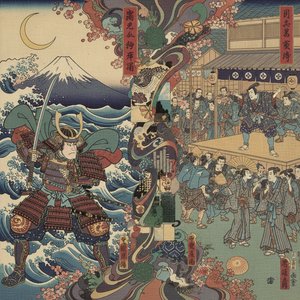
Utagawa Kuniyoshi: A Master of Japanese Ukiyo-e – Narrative Innovation & the Fusion of Tradition with Popular Culture
Explore the captivating world of Utagawa Kuniyoshi, a master of Japanese ukiyo-e woodblock prints. Discover his innovative warrior scenes, vibrant landscapes & lasting legacy in 19th-century art history.
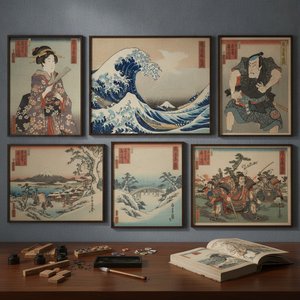
Ukiyo-e: The Art of the Floating World and the Legacy of Japanese Woodblock Masters
Explore the profound history of Ukiyo-e, from Hokusai's iconic waves to the vibrant culture of Edo Japan. Discover the intricate craft of woodblock printing and the enduring legacy of these Japanese masterpieces through our expert art history guide.

The Floating World: Unveiling the Timeless Beauty and Soul of Japanese Ukiyo-e Artistry
Journey through the ephemeral beauty of Japanese Ukiyo-e. Uncover the profound history of woodblock prints, the mastery of Hokusai, and the captivating link between the 'Floating World' and Impressionism. A sophisticated guide for the discerning art enthusiast.

Katsushika Hokusai: 25 Remek-dela Japanskog Umetnika za Vaš Dom | OriginalUniqueArt
Uronite u svet Katsushike Hokusaija! Otkrijte 25 remek-dela japanskog umetnika, uključujući čuveni 'Veliki talas'. Ukiyo-e štampe, pejzaži i istorija iza svakog dela. Pronađite inspiraciju za dekor enterijera i kupite reprodukcije slika vrhunskog kvaliteta na OriginalUniqueArt.com.

Floating Worlds: A Definitive Guide to the Mastery and Philosophy of Japanese Ukiyo-e Woodblock Prints
Explore the profound beauty of Ukiyo-e. Discover the history, philosophy, and legendary masters of Japanese woodblock prints, from Hokusai to Kuniyoshi, in this expert guide to the 'Floating World'.