

 Pregledaj u prostoru
 Pošalji
 Podeli
 Detalji o delu
 Vodič
Vodič

 Preuzmi
 Slični predmeti
 Rendgenski snimak
 Automatska prezentacija
 Statistika
Shoki and Demon, Edo period


 Pročitaj više
Ručno rađena uljana reprodukcija
Ručno oslikano uljanim bojama na platnu u dimenzijama i okviru po vašem izboru, izrađeno po porudžbini od strane naših umetnika. ( Pređi na štampu Pređi na digitalnu sliku)




P118B дин10

P118H дин10

P118W дин10

P438Z дин10

P508JH дин12

P508YH дин12

P805H дин10

P805Z дин10

P919BZ дин10

P919G дин10

P919XJ дин10

P959ZH дин10

P968JZ дин12

W106C дин8

W218G дин10

W218JH дин8

W218Y дин10

W307PJ дин10

W316G дин10

W316PJ дин8

W316Y дин10

W398PJ дин8

W4111J дин10

W500HY дин15

W500JH дин15

W692G дин12

W849H дин8

W940BG дин15

W953PJ дин8




Izaberite jednu od naših unapred definisanih veličina koje odgovaraju originalnim proporcijama umetničkog dela.

Unesite potrebnu širinu i visinu kako bi se slika uklopila u vaš ram ili zid. Pošto je ovo ručno oslikano delo, umetnik može za dimenzije drugačijeg oblika naslikati malo više prostora oko slike ili malo skratiti ivice — izbor je na vama. Pre početka rada, poslaćemo vam digitalni prikaz radi potvrde. Slika prikazana na ovoj stranici ne predstavlja konačan rezultat — samo digitalni prikaz pokazuje stvarnu sliku.
Nakon narudžbine, tim OriginalUniqueArt.com će klijentu putem e-pošte poslati uputstva i dostaviti prikaz predloženog rešenja
Svetska isporuka () za 3/4 nedelje umesto uobičajenih 5 nedelja. (28 октобар). Bez kompromisa po pitanju kvaliteta.

Besplatna ekspresna dostava širom sveta

Visokokvalitetno laneno platno

Potpuno osiguranje transporta

Garancija povraćaja carine i uvoznih dažbina

Garancija vernosti boja

Politika povraćaja u roku od 100 dana (samo u slučaju nedostataka)

Garancija povrata 100% novca

Popust na više proizvoda
 Opcija sa staklom dostupna je samo za dimenzije manje od 110 cm

Shoki and Demon, Edo period
Tehnika reprodukcije
Dimenzije reprodukcije
-


Ukupna cena
дин 33581
A Symphony of Line and Legend
In the heart of the Edo period, a time when the "floating world" pulsed with vibrant energy and supernatural intrigue, Utagawa Kuniyoshi captured a moment of profound cosmic struggle. His masterpiece, Shoki and Demon, created circa 1850, is far more than a mere depiction of combat; it is a breathtaking window into the Japanese soul, where the boundaries between the mortal realm and the spirit world blur through masterful artistry. The print presents us with Shoki, the legendary vanquisher of demons, locked in a dynamic confrontation with a supernatural adversary. This encounter is not just a battle of blades, but a symbolic clash between righteousness and chaos, rendered with a precision that commands the viewer's immediate attention.
The composition is a masterclass in asymmetrical balance, a hallmark of the Ukiyo-e tradition. Kuniyoshi places the imposing figure of the warrior prominently within the frame, his presence anchored by bold, sweeping lines that convey an almost palpable sense of movement. To his side, a small fox, or kitsune, sits as a subtle, enigmatic counterpoint. In Japanese folklore, the fox is a creature of illusion and cunning, and its placement serves to deepen the narrative tension, suggesting that beneath the surface of this physical duel lies a complex web of wisdom, trickery, and ancient magic.
The Mastery of the Woodblock
To behold this work is to appreciate the incredible technical sophistication of the katazukuri printing process. Kuniyoshi, whose early life was steeped in the colorful world of his father's silk-dyeing business, brought an unparalleled sensitivity to color and texture to his prints. The artwork utilizes a striking palette dominated by deep blacks, stark whites, and varying shades of grey, creating a dramatic chiaroscuro effect that enhances the imposing presence of the central figure. This monochromatic strength is punctuated by deliberate touches of color—such as the red and blue of the fox—which draw the eye across the composition like sparks in the night.
The artist employs tachibana-e, a technique where broad, expressive brushstrokes mimic the fluidity of ink painting, elevating the woodblock print from simple illustration to high art. Each layer of ink was meticulously applied through sequential carving and pressing, resulting in a rich textural depth that makes the warrior's layered robes appear heavy with history and significance. For the discerning collector or interior designer, this piece offers a profound sense of structural elegance; its strong, defined forms and rhythmic linework provide a sophisticated focal point that can anchor a room with an air of historical gravity and cultural prestige.
An Eternal Resonance for the Modern Collector
Beyond its technical brilliance, Shoki and Demon resonates emotionally through its themes of protection and courage. The sword wielded by Shoki is not merely a weapon, but a symbol of the righteous defense against the unseen forces of darkness. This narrative of triumph over adversity possesses a timeless quality that transcends the borders of 19th-century Japan, making it deeply relatable to contemporary audiences. It evokes a sense of awe and a quiet strength, inviting contemplation on the eternal struggle between order and disorder.
For those seeking to curate a space filled with storytelling and character, a high-quality reproduction of this Kuniyoshi masterpiece offers an unparalleled opportunity. Whether integrated into a minimalist modern setting to provide a striking historical contrast or placed within a traditional gallery arrangement, the print brings with it the spirit of the Edo period. It is an investment in a piece of cultural heritage—a fragment of a legendary era that continues to inspire wonder, much like the very legends it depicts.
Pitanja i odgovori
U kojoj je tehnici izvedeno delo „Shoki and Demon, Edo period”, autor Утагава Кунијоши?
Утагава Кунијоши je koristio/la tehniku Woodblock Print za delo "Shoki and Demon, Edo period". Ova tehnika definiše materijalnu prirodu originalnog dela.
Gde mogu da preuzmem „Shoki and Demon, Edo period”, autor Утагава Кунијоши?
Digitalnu sliku dela „Shoki and Demon, Edo period”, autor Утагава Кунијоши možete preuzeti na stranici za preuzimanje ovog umetničkog dela: Preuzimanje digitalnog prikaza: preuzimanje digitalne slike visoke rezolucije.
Da li je "Shoki and Demon, Edo period" dostupan kao umetnička štampa?
„Shoki and Demon, Edo period“ je dostupno kao umetnička štampa na pamučnom platnu ili arhivskom kanvas papiru. Porudžbine možete izvršiti na stranici Umetnički print, u dimenziji po vašem izboru.
Biografija umetnika
Живот Утагаве Кунијошија: Уроњеност у Свет Плутајућег Света
Утагава Кунијоши, рођен као Јошисабуро 1. јануара 1798. године у Еду (данашњи Токио), представља изузетну фигуру на зачељу традиције *укијо-е* – „слика света плутајућег“ која је тако живописно забележила јапански живот током периода Едо. Његов пут није започео у круговима уметника, већ у практичном свету породичног бизниса са свилом. То раскошно искуство боје и шаре суптилним начином је обликовало његово касније дело, дајући му изразиту живост. Ипак, чак као мали дечак, Кунијошија је задивио драматичан свет *укијо-е*, посебно херојски приказ ратника и занатлија који су насељавали популарне штампе. Ови формативни утисци запалили су страст која ће дефинисати његов животни пут. Ушао је у радионицу Утагаве Тојокунија I 1811. године, усвајајући име Кунијоши и крећући се на ригорозно учење које је усавршило његове вештине и представило га конвенцијама школе Утагава.Од Почетних Корака до Мајсторског Иноваторства
Рана каријера Кунијошија обележена је периодом релативне непознатости. Иако је био вешт у утврђеним стиловима, мучио се да пронађе свој јединствени глас усред претрпаног пејзажа штампе Еда. Његови рани радови углавном су одражавали радове његовог учитеља, нудећи мало тога што би га разликовало од савременика. Међутим, овај период истраживања се показао кључним. Експериментисао је са различитим жанровима и техникама, постепено развијајући карактеристичан приступ који се одликује динамичном композицијом, смелим бојама и све већим разумевањем наративног приказивања. Пробој је дошао 1827. године са објављивањем *Сто осам хероја популарног Суикодена*, монументалне серије засноване на кинеском роману *Шуи Ху Жуан*. Ово дело је катапултирало Кунијошија у славу, успоставивши га као мајстора *муша-е* – штампи ратника. Серија није била само илустрација херојских прича; то је био излог Кунијошијевог растућег талента за драматичну композицију и карактеризацију. Он није само приказивао ратнике; оживљавао их је са убедљивим емоцијама и сложеним детаљима.Синтеза Традиције и Западног Утицаја
Оно што Кунијошија заиста издваја је његова спремност да прихвати иновације, остајући дубоко укорењен у јапанској уметности. Како се период Едо ближио крају, Јапан је доживео све веће контакте са Западом, а Кунијоши је био међу првим *укијо-е* уметницима који су у свој рад укључили елементе западне перспективе и сенчења. То није била само имитација; вешто је интегрирао ове технике да побољша дубину, реализам и драматичан ефекат. Његови пејзажи посебно демонстрирају мајсторску команду атмосферским ефектима и просторним односима, често изазивајући осећај величине и страхопоштовања. Осим технике, Кунијоши је проширио предмет *укијо-е*. Иако су традиционалне теме попут лепих жена и Кабуки глумаца остале популарне, ушао је на нову територију, приказујући историјске сцене, митолошка бића и чак сатиричне коментаре о савременом друштву. Његов триптих *У резиденцији Минамота Земљина паучица се појављује као чудовиште* (1843) је врхунски пример овог смелог приступа, паметно скривајући политичку критику у фантастичном наративу.Заоставштина Визионера
Кунијошијев утицај на касније генерације уметника је неоспоран. Оставио је иза себе огроман и разноврстан корпус дела – процењено на преко 5000 дизајна – који и данас инспирише дивљење и поштовање. Његово иновативно спајање традиционалске јапанске естетике са западним техникама отворило је пут новим уметничким могућностима, док је његова спремност да изазове конвенције проширила обим *укијо-е*. Обучио је бројне ученике, укључујући Јошитошија, који ће наставити његово наслеђе у периоду Меиџи.- Напомене серије: *Сто осам хероја популарног Суикодена*, обележје у штампи ратника.
- Мајсторска композиција: Његова способност да створи динамичне, визуелно запањујуће сцене остаје неупоредива.
- Иновативне технике: Интеграција западне перспективе и сенчења револуционисала је *укијо-е* сликарство пејзажа.
- Проширена предметна материја: Проширио је границе *укијо-е*, истражујући нове теме и наративе.

Утагава Кунијоши
1797 - 1861 , Јапан
Osnovne informacije
- Artistic Movement Or Style: Укијо-е
- Artists Or Movements Influenced By This Artist: ['Озава Цујоши']
- Artists Who Influenced This Artist: ['Утагава Тојукуни']
- Date Of Birth: 1. јануар 1798.
- Date Of Death: 14. април 1861.
- Full Name: Утагава Кунијоши
- Nationality: Јапанац
- Notable Artworks:
- Сто осам хероја...
- Дух Томоморија
- Мост Гођо
- Place Of Birth: Токио, Јапан
Povezani članci
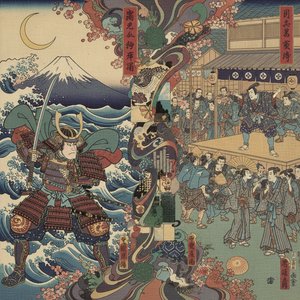
Utagawa Kuniyoshi: A Master of Japanese Ukiyo-e – Narrative Innovation & the Fusion of Tradition with Popular Culture
Explore the captivating world of Utagawa Kuniyoshi, a master of Japanese ukiyo-e woodblock prints. Discover his innovative warrior scenes, vibrant landscapes & lasting legacy in 19th-century art history.
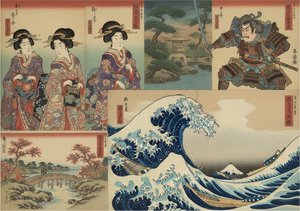
Ukiyo-e: Exploring Japan's Floating World & Enduring Artistic Legacy
Explore the captivating world of Ukiyo-e – Japan's iconic woodblock prints! Discover masters like Hokusai & Hiroshige, learn about Edo period culture, and find expert art collecting guidance at OriginalUniqueArt.

Floating Worlds: A Definitive Guide to the Mastery and Philosophy of Japanese Ukiyo-e Woodblock Prints
Explore the profound beauty of Ukiyo-e. Discover the history, philosophy, and legendary masters of Japanese woodblock prints, from Hokusai to Kuniyoshi, in this expert guide to the 'Floating World'.
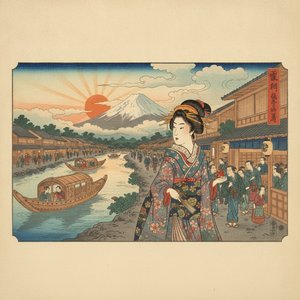
Ukiyo-e Unlocked: The Bold Japanese Art Movement That Defined Modern Pop Culture
Dive into the high-energy world of Ukiyo-e. Discover how Japan's 'floating world' woodblock prints pioneered bold colors and graphic storytelling, shaping the DNA of modern pop culture, anime, and street art. Explore the masters that defined a visual revolution.

Katsushika Hokusai: 25 Remek-dela Japanskog Umetnika za Vaš Dom | OriginalUniqueArt
Uronite u svet Katsushike Hokusaija! Otkrijte 25 remek-dela japanskog umetnika, uključujući čuveni 'Veliki talas'. Ukiyo-e štampe, pejzaži i istorija iza svakog dela. Pronađite inspiraciju za dekor enterijera i kupite reprodukcije slika vrhunskog kvaliteta na OriginalUniqueArt.com.