

 Pregledaj u prostoru
 Podeli
 Podeli
 Detalji
 Vodič
Vodič

 Preuzmi sliku
 Slični predmeti
 Rendgenski snimak
 Automatska prezentacija
 Statistika
Figure


 Pročitaj više
Giclee štampa / Umetnički otisak
Giclée štampa ili print na platnu muzejskog kvaliteta uz brzu izradu i raznovrsne opcije završne obrade. ( Naručite ručno oslikano reprodukciju Pređi na prodaju digitalnih slika)




P118B дин10

P118H дин10

P118W дин10

P438Z дин10

P508JH дин12

P508YH дин12

P805H дин10

P805Z дин10

P919BZ дин10

P919G дин10

P919XJ дин10

P959ZH дин10

P968JZ дин12

W106C дин8

W218G дин10

W218JH дин8

W218Y дин10

W307PJ дин10

W316G дин10

W316PJ дин8

W316Y дин10

W398PJ дин8

W4111J дин10

W500HY дин15

W500JH дин15

W692G дин12

W849H дин8

W940BG дин15

W953PJ дин8




Izaberite jednu od naših unapred definisanih veličina koje odgovaraju originalnim proporcijama umetničkog dela.

Unesite širinu i visinu koja vam je potrebna, kako bi se uklopili u vaš ram ili na vaš zid. Štampa se može samo iseći, nikada ne može biti veća od originalne slike, stoga format sa drugačijim proporcijama gubi deo slike. Poslaćemo vam digitalni prikaz radi potvrde pre nego što započnemo štampu. Slika prikazana na ovoj stranici ne pokazuje stvarni rez — to pokazuje samo digitalni prikaz.
Dostava širom sveta () za 2 nedelje umesto uobičajenih 4/5 nedelja. (23 октобар)

Besplatna ekspresna dostava širom sveta

Visokokvalitetno laneno platno

Sveobuhvatno osiguranje transporta

Garancija povraćaja carine i uvoznih dažbina

Garancija vernosti boja i autentičnosti pri reprodukciji

Politika povraćaja u roku od 100 dana (samo u slučaju nedostataka)

Garancija povrata 100% novca

Popust pri većoj količini
 Opcija sa staklom dostupna je samo za dimenzije manje od 110 cm

Figure
Giclee štampa / Umetnički otisak
Veličina reprodukcije
-


Ukupna cena
дин 8227
A Symphony of Motion: Unveiling Umberto Boccioni’s “Figure”
Umberto Boccioni's "Figure," painted in 1912, isn’t merely a depiction of a human form; it’s an embodiment of the Futurist ethos—a fervent celebration of dynamism, speed, and the fractured beauty of modern life. This artwork, rendered against a striking blue backdrop, immediately commands attention with its bold lines, fragmented composition, and palpable sense of movement. It's a window into the revolutionary artistic spirit that defined early 20th-century Italy, offering a glimpse into the mind of one of its most influential figures.
Boccioni’s approach to painting during this period was radically different from the established traditions of academic art. He rejected static representation in favor of capturing the fleeting essence of experience—the sensation of movement and change. “Figure” exemplifies this perfectly, utilizing a technique that anticipates elements of Cubism while firmly rooted within the tenets of Futurism. The figure itself is not presented as a solid, unified entity but rather as a collection of intersecting planes and angles, suggesting an ongoing process of becoming. This deliberate deconstruction mirrors the Futurist fascination with industrialization and the breakdown of traditional forms in the face of technological advancement.
The Language of Futurism
To truly understand “Figure,” one must appreciate the context of its creation – the explosive rise of Futurism. Spearheaded by Filippo Tommaso Marinetti in 1909, this movement rejected the past as a source of stagnation and embraced the future with unbridled enthusiasm. Futurist artists sought to capture the energy of machines, the speed of automobiles, and the dynamism of urban life. They celebrated violence, war, and all that was new and exciting. Boccioni, deeply involved in the movement, translated these ideals onto canvas, employing techniques designed to convey a sense of velocity and instability.
The use of color is particularly significant. The dominant blue serves not as a neutral background but rather as an active element, contributing to the overall feeling of motion. It’s a cool, almost vibrating hue that seems to push forward, drawing the viewer's eye into the fragmented form of the figure. Notice how the lines themselves are not smooth or continuous; they are broken and angular, mimicking the sharp edges of machinery and the fractured perspectives of modern urban landscapes. This deliberate disruption of traditional perspective was a key element of Futurist aesthetics – a rejection of illusionism in favor of conveying an immediate, visceral experience.
Symbolic Resonance and Emotional Impact
While “Figure” resists easy interpretation, it’s clear that the artist is exploring themes of transformation and dynamism. The elongated tail, reminiscent of a fish or perhaps a bird in flight, suggests movement, fluidity, and an escape from earthly constraints. It could be interpreted as representing the individual's journey through the complexities of modern life—a constant state of flux and change. The figure’s posture is ambiguous; it appears to be caught in a moment of transition, neither fully grounded nor entirely airborne.
Despite its fragmented composition, “Figure” evokes a powerful emotional response. It's not simply a depiction of an object or person but rather a representation of the *feeling* of movement—the exhilaration and disorientation that accompany rapid change. The artwork’s bold lines and vibrant colors create a sense of urgency and excitement, inviting the viewer to participate in this dynamic visual experience. It’s a testament to Boccioni's ability to capture the spirit of his time – a period of unprecedented technological advancement and social upheaval.
A Legacy of Innovation
Umberto Boccioni’s “Figure” stands as a pivotal work in the history of modern art. Its innovative use of line, color, and composition paved the way for subsequent movements such as Cubism and Constructivism. Reproductions of this artwork offer a unique opportunity to experience the energy and dynamism of Futurist aesthetics firsthand. OriginalUniqueArt’s hand-painted reproductions faithfully capture the original's intensity and detail, allowing you to bring this revolutionary masterpiece into your home or office – a vibrant reminder of a time when artists dared to challenge convention and embrace the future.
Pitanja i odgovori
Da li je "Figure" u javnom vlasništvu?
Status autorskih prava za „Figure”, Умберто Боћони: delo je u javnom vlasništvu – autorska prava su istekla. Ovo određuje da li se reprodukcije slike mogu slobodno izrađivati.
Gde mogu kupiti ručno oslikano reprodukciju dela „Figure”, Умберто Боћони?
„Figure“ je dostupan kao ručno oslikana uljana reprodukcija na lanenom platnu. Porudžbinu možete izvršiti na stranici Ručno oslikana reprodukcija, uz mogućnost izbora veličina.
U kojoj fazi karijere umetnika Умберто Боћони pripada delo "Figure" (1912)?
"Figure", nastalo 1912. godine, pripada Early Futurism u karijeri umetnika Умберто Боћони.
Biografija umetnika
Umberto Boccioni: Vizionarizam Pokreta i Dinamika Modernog Sveta
Umberto Boccioni, rođen u Reggio Calabrii 1882. godine, bio je centralna figura italijanskog futurističkog pokreta – sile koja je težila da uništi umetničke konvencije i prihvata dinamiku modernog sveta. Njegov život, iako tragično prekratak u samo trideset tri leta, postao je svedočanstvo ove strastvene vere u napredak, brzinu i opijenu energiju doba mašina. Boccionijeve rane godine bile su obeležene stalnim preseljenjima zbog službenog položaja njegovog oca, odrastanje koje ga je izložilo raznolikim pejzažima i u njemu probudilo nemirnog duha. Ovaj nomadski život na kraju ga je doveo u Rim, gde je prvo nastavio studije dekorativnih umetnosti pre nego što se okrenuo slikarstvu, upijajući uticaje iz stilova postera Liberty tog vremena. Međutim, susret sa futurizmom, potaknut pisanjem Filippa Tommasa Marinettija, zaista je zapalio njegovu umetničku putanju.Od Pokreta ka Revoluciji: Uspon Futuriste
Godina 1910. se pokazala ključnom za Boccionija. Potpisao je *Manifesto dei Pittori Futuristi*, učvršćujući svoju posvećenost pokretu koji je slavio tehnologiju, brzinu i čak nasilje kao simbole modernosti. To nije bila samo estetski izbor; to je bio filozofski bunt protiv tereta tradicije, želja da se uhvati suština sveta koji juri ka neizvesnoj budućnosti. Boccioni je ubrzo postao jedan od najjasnijih teoretičara futurizma, razvijajući Marinettijeva prva saopštenja i primenjujući ih na vizuelne umetnosti. On je tvrdio da je potreban potpuni raskorak sa reprezentativnom preciznošću, zagovarajući umesto toga slike koje prenose ne samo *kako* stvari izgledaju, već i *kako* se osećaju u pokretu – senzaciju brzine, fragmentaciju oblika, preovlađujuću energiju gradskog života. Njegovi raniji radovi, iako još uvek nagoveštavaju uticaje impresionizma i divisionizma, počeli su da pokazuju ovu sve veći opsesiju dinamikom. Slike poput *Grad se diže* (1910-1911) monumentalne su po obimu i ambicioznosti, prikazujući haotičnu izgradnju moderne metropole – vrtlog ljudskih figura, zgrada i mašina koji utelovljuje futuristički ideal.Dekonstrukcija Realnosti: Tehnika i Tematika
Boccionijev umetnički razvoj karakterisao je sve radikalniji pristup obliku. Odmakao je od tradicionalnih poimanja perspektive i kompozicije, prihvatajući fragmentaciju kao sredstvo za prenošenje pokreta i energije. Objekti su razbijeni na njihove sastavne delove, linije sile zrače napolje, a boje se mešaju u vrtložne obrasce – sve je dizajnirano da stvori osećaj vizuelne vibracije. Ova dekonstrukcija nije bila samo stilski; ona je bila ukorenjena u Boccionijevoj veri da je sama stvarnost fluidna i u stalnoj promeni. On je nastojao da predstavlja ne statičan izgled stvari, već njihovu dinamičku suštinu. Ključne teme se pojavljuju kroz njegov opus: dinamika, slavljenje modernosti i fascinacija ljudskim telom kao nosiocem energije i pokreta. Ovo je snažno ilustrovano u delima poput *Dinamizam ljudskog tela* (1913), gde figura nije prikazana kao čvrst oblik, već kao niz fragmentiranih oblika koji sugerišu kretanje kroz prostor. Možda njegovo najpoznatije stvaralaštvo, *Jedinstveni oblici kontinuiteta u prostoru* (1913), prevazilazi slikarstvo – bronzana skulptura koja utelovljuje futuristički ideal sa zastrašujućom snagom. Figura izgleda kao da je uhvaćena u sred kretanja, njene ruke i torzo su izduženi i iskrivljeni, prenoseći osećaj nezaustavljive brzine.Nasleđe i Trajni Uticaj
Boccionijeva tragična smrt 1916. godine, tokom Prvog svetskog rata, lišila je umetnički svet zaista vizionarskog talenta. Međutim, njegove ideje i dela nastavili su da rezonuju dugo nakon njegove smrti. On je duboko uticao ne samo na sledeće futurističke umetnike, već i na pokrete poput konstruktivizma i apstraktnog ekspresionizma. Njegovo istraživanje pokreta, dinamike i predstavljanja modernog života postavilo je temelje za nove oblike umetničkog izraza, izazivajući tradicionalna poimanja lepote i reprezentacije.- Uticaji: Divisionističke tehnike Jakoba Balle, fragmentacija oblika u Kubizmu i filozofska pisma Ničea.
- Značajna dela: *Dinamizam ljudskog tela*, *Jedinstveni oblici kontinuiteta u prostoru*, *Grad se diže*, *Dinamizam bicikliste*.
- Istorijski značaj: Ključna figura u 20. veku, Boccioni je izazvao umetničke konvencije i pomogao oblikovati tok moderne umetnosti. Njegove teorije o dinamici i predstavljanju pokreta nastavljaju da inspirišu umetnike danas.
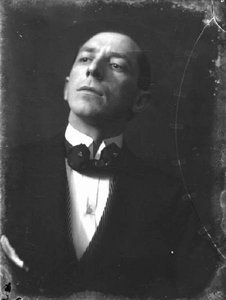
Умберто Боћони
1882 - 1916 , Италија
Brzi pregled
- Datum Rođenja: 1882-10-19
- Datum Smrti: 1916-08-17
- Mesto Rođenja: Reggio Calabria, Italija
- Na Njih Je Uticao:
- Konstruktivizam
- Apstraktni ekspresionizam
- Nacionalnost: Italijan
- Puno Ime: Umberto Boccioni
- Umetnički Pokret: Futurizam
- Uticali Na Njega:
- Đakomo Bala
- Divisionizam
- Kubizam
- Značajna Dela:
- Dinamika čovekovog tela
- Jedinstveni oblici u prostoru
- Grad se uzdiže
- Dinamika cikliste
Srodni članci

Serene Blue Backgrounds: Discover Soulful Art to Transform Your Space with Timeless Elegance
Transform your home with soulful blue art. From serene Monet impressions to modern textured sculptures, discover curated masterpieces designed to inspire calm. Explore expert art consultations and bespoke hand-painted reproductions to create your personal sanctuary.
The Allure of Azure: Exploring the Symbolic & Aesthetic Depths of Blue in Art History
Explore the rich history of blue in art! Discover its symbolism, from ancient pigments to modern masterpieces by Kandinsky & Seurat. Uncover the psychological impact and cultural meanings behind this captivating hue.

Umberto Boccioni: Dynamism, Futurist Ideals & the Evolution of Modern Sculpture
Explore the revolutionary art of Umberto Boccioni, a leading figure of Futurism. Discover his iconic sculptures & paintings, and delve into the movement's impact on modern art history with OriginalUniqueArt.
Speed, Power, and Motion: A Journey Through the Energetic Soul of Futurism
Explore the exhilarating energy of Futurism. From Italian dynamism to Russian Cubo-Futurism, journey through a masterclass in speed, power, and motion in art history with our expert cultural reflections.

Slate Blue Masterpieces: 10 Iconic Paintings & Timeless Home Decor Ideas
Immerse yourself in the captivating world of slate blue! Explore 10 iconic paintings by Monet, Van Gogh & Renoir. Discover their stories, techniques & find museum-quality art reproductions for your home at .


