

 Pregledaj u prostoru
 Podeli
 Podeli
 Detalji
 Vodič
Vodič

 Preuzmi sliku
 Slični predmeti
 Rendgenski snimak
 Automatska prezentacija
 Statistika
Joseph Banks


 Pročitaj više
Giclee štampa / Umetnički otisak
Giclée štampa ili print na platnu muzejskog kvaliteta uz brzu izradu i raznovrsne opcije završne obrade. ( Naručite ručno oslikano reprodukciju Pređi na prodaju digitalnih slika)




P118B дин10

P118H дин10

P118W дин10

P438Z дин10

P508JH дин12

P508YH дин12

P805H дин10

P805Z дин10

P919BZ дин10

P919G дин10

P919XJ дин10

P959ZH дин10

P968JZ дин12

W106C дин8

W218G дин10

W218JH дин8

W218Y дин10

W307PJ дин10

W316G дин10

W316PJ дин8

W316Y дин10

W398PJ дин8

W4111J дин10

W500HY дин15

W500JH дин15

W692G дин12

W849H дин8

W940BG дин15

W953PJ дин8




Izaberite jednu od naših unapred definisanih veličina koje odgovaraju originalnim proporcijama umetničkog dela.

Unesite širinu i visinu koja vam je potrebna, kako bi se uklopili u vaš ram ili na vaš zid. Štampa se može samo iseći, nikada ne može biti veća od originalne slike, stoga format sa drugačijim proporcijama gubi deo slike. Poslaćemo vam digitalni prikaz radi potvrde pre nego što započnemo štampu. Slika prikazana na ovoj stranici ne pokazuje stvarni rez — to pokazuje samo digitalni prikaz.
Dostava širom sveta () za 2 nedelje umesto uobičajenih 4/5 nedelja. (24 октобар)

Besplatna ekspresna dostava širom sveta

Visokokvalitetno laneno platno

Sveobuhvatno osiguranje transporta

Garancija povraćaja carine i uvoznih dažbina

Garancija vernosti boja i autentičnosti pri reprodukciji

Politika povraćaja u roku od 100 dana (samo u slučaju nedostataka)

Garancija povrata 100% novca

Popust pri većoj količini
 Opcija sa staklom dostupna je samo za dimenzije manje od 110 cm

Joseph Banks
Giclee štampa / Umetnički otisak
Veličina reprodukcije
-


Ukupna cena
дин 8248
A Portrait of Scientific Grandeur: Joseph Banks by Thomas Phillips
Thomas Phillips’s “Portrait of Joseph Banks” is more than simply a likeness; it's a meticulously crafted tableau of scientific ambition, colonial aspiration, and the burgeoning confidence of the British Enlightenment. Completed in 1809, this remarkable painting captures Sir Joseph Banks – a man who profoundly shaped our understanding of the natural world – at the apex of his influence as President of the Royal Society and a key figure in Captain James Cook’s groundbreaking voyages. The image isn't merely a representation of a man; it’s an embodiment of a nation’s expanding horizons, a visual testament to the era’s fervent belief in exploration and discovery.
The composition immediately draws the eye to Banks himself, seated with dignified composure within the opulent confines of the Royal Society's Presidential chair. The chair, adorned with its coat of arms – a potent symbol of authority and scientific prestige – anchors him firmly within his position of leadership. His posture is one of quiet strength, yet there’s an undeniable air of intellectual curiosity about him; his gaze, directed directly at the viewer, invites engagement and suggests a mind constantly engaged in observation and analysis. The subtle tilt of his head, combined with the slight downward cast of his eyes, hints at a contemplative nature, a man deeply immersed in the intricacies of the natural world.
The Language of Detail: Technique and Style
Phillips’s mastery lies not just in capturing Banks's likeness but in rendering the textures and nuances of his attire and surroundings with astonishing precision. The painting is executed in the style of English portraiture prevalent during the early 19th century, characterized by a refined elegance and an emphasis on realistic detail. The use of oil paints allows for a remarkable depth of color and shading, creating a sense of three-dimensionality that brings the scene to life. Note the meticulous rendering of Banks’s coat – the rich fabric, the subtle sheen of the buttons, the intricate embroidery—each element contributing to an overall impression of wealth, status, and scholarly dedication.
The background is equally significant. The marble fireplace, with its lion's head motif, speaks to the grandeur of the Royal Society’s headquarters. The inclusion of a manuscript detailing botanical discoveries – a clear reference to Banks’s life’s work – subtly reinforces his scientific credentials. Even the placement of the mace cushion and inkstand, symbols of authority and intellectual pursuit, are carefully considered, adding layers of meaning to the composition.
A Symbol of Colonial Ambition
“Portrait of Joseph Banks” is inextricably linked to the era’s colonial ambitions. Banks's role in Cook’s voyages was pivotal in establishing British presence in Australia and shaping early scientific understanding of the Pacific region. The painting, therefore, can be interpreted as a visual endorsement of this expansionist policy. Banks’s confident demeanor and association with the Royal Society project an image of British intellectual superiority—a narrative designed to justify colonial endeavors.
However, it's crucial to acknowledge the complexities inherent in this interpretation. While the painting undoubtedly celebrates British scientific achievement, it also reflects the ethical dilemmas associated with colonialism. Banks’s legacy is one of both remarkable discovery and complicity in a system that profoundly impacted Indigenous populations. Considering these historical nuances adds depth and resonance to our understanding of the artwork.
Emotional Resonance and Lasting Legacy
Beyond its historical context, “Portrait of Joseph Banks” possesses a powerful emotional resonance. The painting evokes a sense of intellectual curiosity, quiet determination, and the enduring human desire to explore and understand the world around us. Banks’s gaze invites viewers to share in his passion for knowledge and his belief in the transformative power of scientific discovery.
Reproductions of this iconic portrait continue to captivate audiences today, serving as a reminder of a pivotal figure in the history of science and exploration. It stands not just as a beautiful work of art but as a window into a fascinating era—an era defined by both remarkable progress and profound ethical challenges.
Pitanja i odgovori
Koja boja najviše dolazi do izražaja u delu "Joseph Banks"?
Espresso (#443225) je dominantna boja dela „Joseph Banks”, Tomas Filips.
Koju fazu razvoja umetnika Tomas Filips predstavlja delo "Joseph Banks"?
"Joseph Banks" predstavlja Early Maturity umetnika Tomas Filips.
Gde se "Joseph Banks" nalazi među uobičajenim motivima umetnika Tomas Filips?
Učestale teme umetnika Tomas Filips obuhvataju neoclassical ideals, scientific observation, british colonial ambitions, exploration, royal society patronage, prestige, portraiture’s social commentary”, banks's legacy; delo "Joseph Banks" fokusira se na portraiture, naturalism, botany, science, exploration, society, british art.
Biografija umetnika
Rani Život i Utemeljivanje Umetničkih Osnova
Tomas Filips, rođen u Dadliju, Vorčesterširu, 1770. godine, израстао је iz skromnih okolnosti да би постао истакнута фигура британске уметничке сцене крајем 18. и почетком 19. века. Његова прва уметничка обука није била у традиционалним оквирима сликања, већ у занату израде витражних стакала под руководством Франсиса Егинтона у Бирмингему. Ово темељно искуство уградило је у њега прецизну пажњу на детаље и разумевање боје и светлости, што ће касније карактерисати његово портретисање. Преломни тренутак дошао је 1790. године када је Фипс отпутовао у Лондон, наоружан препоруком Бенџамина Веста, водећег уметника тог времена и кључне фигуре Краљевске академије. Вођство Веста отворило је врата за Фипса, обезбедивши му посао на витражним прозорима капеле Светог Ђорђа у Виндзору – пројекат који му је омогућио да унапреди своје вештине у великом архитектонском контексту. Ово рано излагање раскошном декоративном раду несумњиво је обликовало његову композициону осетљивост и цењење наративног казивања у уметности. 1791. године, Фипс се званично уписао као студент Краљевске академије, обележивши почетак његовог формалног уметничког образовања и интеграције у утврђени свет уметности.Узастопни Портретиста: Стил и Тематика
Фипс је брзо пронашао своју нишу у портретисању, иако не без навигације конкурентске средине већ насељеној познатим уметницима попут Томаса Лоренса и Џона Хопнера. У почетку су му модели били углавном непознате особе, али кроз посвећеност и умешност, он је постепено напредовао друштвеном лествицом, привлачећи све познатије личности у свој ателје. Његов стил карактерисала је прецизна реалистичност, која одражава како утицај његове ране обуке у изради витражних стакала тако и преовлађујући уметнички укус ере. Имао је способност да заухвати не само физичку слику, већ и нешто карактера и интелекта модела. Овај таленат се посебно показао вредним када је портретисао „људе генија“ – научнике, писце, песника и истраживаче – који су постали понављајућа тема у његовом раду.Кралјевска Патронажа и Академско Признање
Година 1804. обележила је значајну прекретницу у Фипсовој каријери са његовим избором за повезаног члана Краљевске академије, заједно са Вилијамом Овеном. Ово признање учврстило је његов положај у оквиру уметничке установе. Убрзо након тога, преселио се на адресу бр. 8 Џорџ Стрит, Хановер Сквер, престижну локацију која ће остати његов дом и ателје следеће четири деценије. Његова клијентела је наставила да се шири, обухватајући чланове краљевске породице и аристократије. Сликао је портрете принца од Велса (касније Џорџа IV), маркизе од Стафорда и лорда Тарлоа, између осталих. Посебно познат портрет из овог периода је онај Вилијама Блејка, који се сада налази у Националној галерији портрета – дело цењено због осетљивог приказа интензивног погледа и визионарског духа песника. 1808. године, Фипс је стекао пун статус академика, представивши своје дипломаско дело *Венера и Адонис*, сматрано једном од његових најимагинативнијих композиција, демонстрирајући одлазак од чистог портретисања у амбициозније наративно сликање.Каснији Години: Професорство и Наслеђе
Фипсови доприноси свету уметности протезали су се даље од његових властитих слика. 1825. године, именован је за професора сликања на Краљевској академији, наследивши Хенрија Фуселија – позицију коју је држао до 1832. године. Ова улога му је омогућила да подели своје знање и стручност са будућим уметницима, обликујући следећу генерацију британских сликара. Објавио је *Предавања из историје и принципа сликања* 1833. године, нудећи увиде у своју уметничку филозофију и педагошки приступ. Иако су његове касније године забележиле благо смањење јавног признања, Фипс је остао поштован човек у оквиру уметничке заједнице до своје смрти 1845. године. Његово наслеђе лежи не само у бројним портретима које је креирао – заухвативши ликове многих познатих личности његовог времена – већ и у његовом посвећености уметничком образовању и доприносу развоју британског портретисања. Оставио је иза себе дело које одражава како техничку вештину тако и интелектуалну радозналост уметника дубоко укљученог у културни пејзаж своје ере. Његова пажња на детаље, комбинована са осетљивошћу према карактеру, обезбеђује му место као значајној фигури у британској уметности 19. века.
Tomas Filips
1770 - 1845 , Уједињено Краљевство
Brzi pregled
- Artistic Movement Or Style: Romantizam
- Artists Who Influenced This Artist: ['Benjamin West']
- Date Of Birth: 1770
- Date Of Death: 1845
- Full Name: Thomas Phillips
- Nationality: Britanski
- Notable Artworks:
- Venus i Adonis
- Lord Byron
- Canon Gisborne
- Place Of Birth (City And Country): Dudley, Ujedinjeno Kraljevstvo
Srodni članci

Sir Thomas Lawrence: Portraiture, Power & Regency Society's Aesthetics
Explore the captivating world of Sir Thomas Lawrence, Regency England's premier portraitist. Discover his artistic techniques, powerful representations of society, and enduring legacy. Expert insights for discerning art collectors.

Thomas Phillips: Portraiture, Patronage & the Rise of Victorian Society Art
Explore the life & work of Thomas Phillips (1770-1845), a leading Victorian portrait painter renowned for his captivating portrayals of Britain's 'men of genius'. Discover his artistic journey, patronage, and lasting legacy.
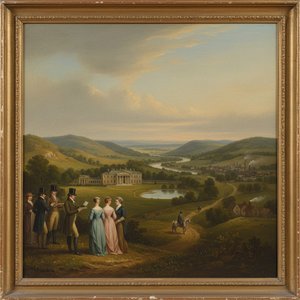
Thomas Barker of Bath: Landscape Painting & Societal Reflection in Early 19th-Century England
Explore the life & work of Thomas Barker of Bath, a key figure in 19th-century English Romanticism. Discover his Parisian success, iconic paintings like 'The Bride of Death', and lasting artistic legacy. Learn more at OriginalUniqueArt.

Majesty on Canvas: A Definitive Guide to Iconic Royal Portraits Through Art History
Explore the profound history of royal portraiture. From Baroque grandeur to Victorian elegance, discover how master artists captured power and lineage on canvas through the timeless medium of oil painting.

Sir Francis Grant: Portraiture, Patronage & Victorian Society
Explore the life & work of Sir Francis Grant, a leading Victorian portraitist. Discover his aristocratic clientele, role at the Royal Academy, and enduring artistic legacy. Learn about art patronage in 19th-century Britain.