
 Pregledaj u prostoru
 Pošalji
 Podeli
 Detalji o delu

 Преузми
 Slični predmeti
 Rendgenski snimak
 Slajdovi
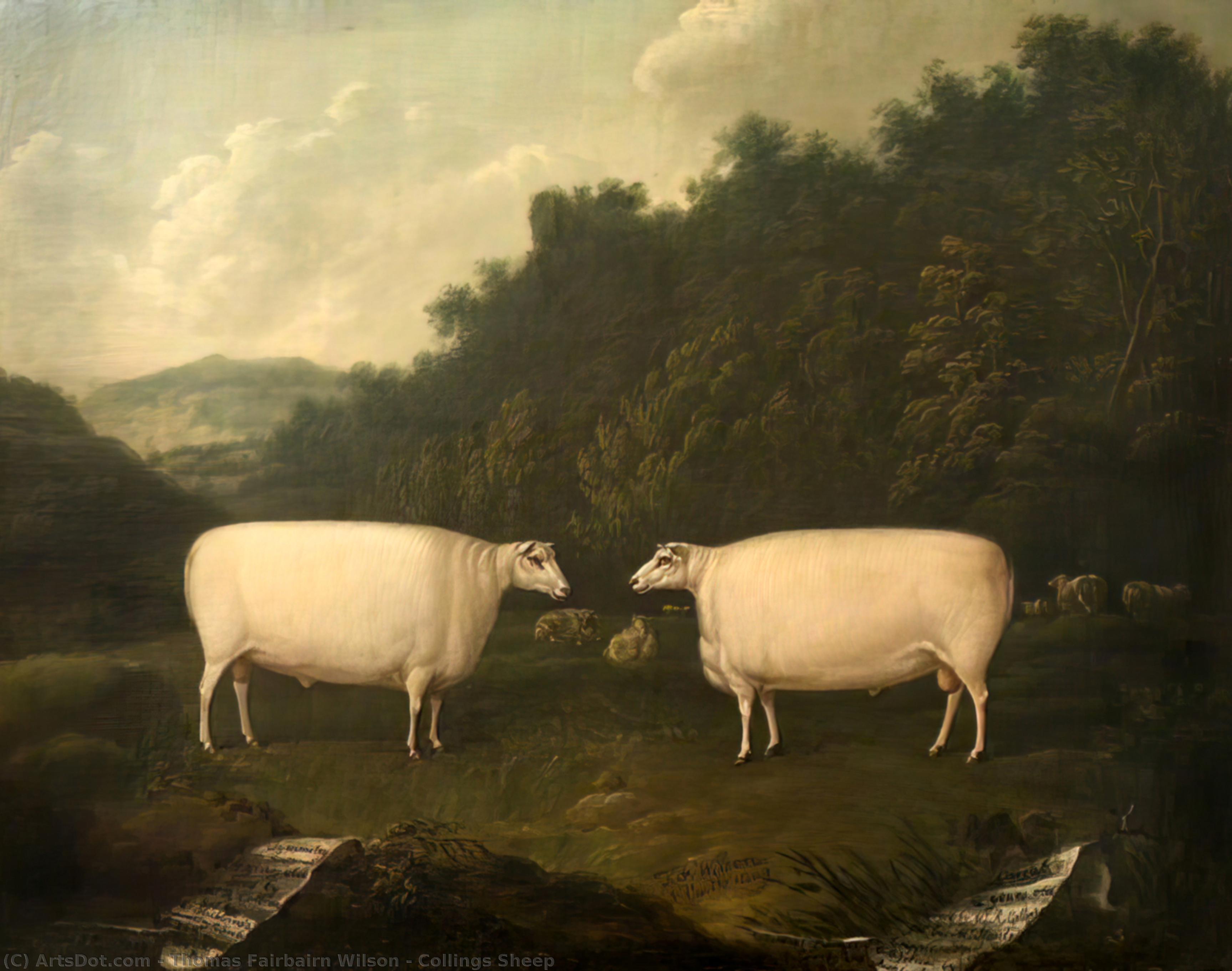
Collings Sheep
 1809
1809 54.0 x 68.0 cm
 Pročitaj više
Giclee štampa / Umetnički otisak
Giclée štampa ili print na platnu muzejskog kvaliteta uz brzu proizvodnju i fleksibilne opcije završne obrade. ( Kupi ručno naslikanu sliku Kupi digitalnu sliku)




































Izaberite jednu od naših unapred definisanih veličina koje odgovaraju originalnim proporcijama umetničkog dela.

Možete uneti sopstvene dimenzije kako biste umetničko delo prilagodili specifičnom okviru ili prostoru. Ako odabrani format ne odgovara proporcijama originalne slike, mi ćemo ili iscrtati deo dela ili proširiti sliku pomoću ogledane ivice ili jednobojnog popunjavanja. Digitalni prikaz će vam biti poslat na odobrenje pre početka proizvodnje.
Imajte na umu da pregled na ekranu ne odražava stvarno iscrtavanje ili proširivanje. Samo će prikaz (mockup) precizno pokazati finalnu kompoziciju.
Iako su prilagođene dimenzije dostupne, preporučujemo da odaberete dimenziju sa unapred definisane liste kako biste očuvali originalne proporcije.
Dostava širom sveta () za 2 nedelje umesto uobičajenih 4/5 nedelja. (15 август)

Besplatna ekspresna dostava širom sveta

Visokokvalitetno laneno platno

Kompletno osiguranje transporta

Garancija povraćaja carine i uvoznih dažbina

Garancija vernosti boja

Politika povrata u roku od 60 dana (samo u slučaju nedostataka)

Garancija povrata novca od 100%

Popust pri grupnoj kupovini
 Opcija sa staklom dostupna je samo za dimenzije manje od 110 cm

Collings Sheep
Giclee štampa / Umetnički otisak
Dimenzije reprodukcije
-


Konačna cena
$ 80
Biografija umetnika
A Life Dedicated to Pastoral Detail: The World of Thomas Fairbairn Wilson
Thomas Fairbairn Wilson, a name perhaps less celebrated than some of his contemporaries, nevertheless occupies a significant niche in the history of 19th-century British art. Born and passing away in 1847, details surrounding his life remain somewhat elusive; however, his artistic legacy speaks volumes. He was a painter deeply committed to capturing the essence of rural England, specializing in meticulously rendered animal portraits and evocative landscapes. While biographical specifics are scarce, the body of work he left behind reveals an artist profoundly attuned to the beauty of the countryside and the creatures that inhabited it – particularly cattle. His paintings weren’t merely representations; they were celebrations of a way of life intrinsically linked to the land, executed with a skill that garnered him recognition during his time.Early Influences and Artistic Development
The artistic climate of early 19th-century England was one of transition. The Romantic movement still held sway, emphasizing emotion and the sublime power of nature, while a growing interest in realism began to take hold. Wilson’s work demonstrates a fascinating blend of these influences. His landscapes, such as “Drypool Green & St Peter’s Church” (1825), possess a romanticized tranquility, bathed in soft light and showcasing idyllic pastoral scenes. However, this isn't the dramatic, untamed wilderness favored by some Romantics; instead, it is a carefully observed depiction of rural life, grounded in tangible detail. It’s likely Wilson benefited from exposure to artists like John Constable, whose dedication to plein air painting and accurate representation of the English countryside profoundly influenced a generation. The precision with which he rendered his subjects suggests a strong foundation in observational skills, possibly honed through early training in topographical drawing or animal studies. His focus on Shorthorn cattle – a breed undergoing significant improvement during this period – indicates an engagement with agricultural advancements and the economic importance of livestock.Mastering the Animal Portrait: A Focus on Cattle
Wilson’s most enduring contribution lies in his exceptional animal portraits, particularly those featuring Shorthorn cattle. These weren't simply commissions for landowners; they were works that elevated farm animals to a level of artistic significance previously reserved for more traditional subjects like horses or sporting dogs. Paintings like “Two Shorthorn Cattle: The White Heifer Which Travelled and Red Rose” exemplify his skill. He captured not just the physical likeness of these animals, but also their individual character and presence. His technique involved meticulous attention to anatomy, texture, and light, resulting in paintings that are remarkably lifelike. The artist’s ability to convey a sense of weight, muscle tone, and even personality within his subjects is truly remarkable. He often depicted cattle in natural settings, further enhancing the realism and charm of his work. The inclusion of detailed backgrounds – fields, barns, and rural landscapes – adds context and depth to the portraits, creating a complete visual narrative.Historical Significance and Lasting Legacy
Thomas Fairbairn Wilson’s art provides valuable insight into 19th-century British society and its relationship with the land. His paintings reflect the growing importance of agriculture and livestock breeding during this period, as well as a broader appreciation for rural life. He captured a moment in time – a way of life that was rapidly changing due to industrialization and urbanization. While not achieving widespread fame on par with some of his contemporaries, Wilson’s work found a dedicated audience among landowners and agricultural enthusiasts who valued his ability to immortalize their prized animals. Today, his paintings are appreciated for their technical skill, historical significance, and evocative depiction of the English countryside. His contribution lies in elevating animal portraiture to an art form, demonstrating that beauty and artistic merit can be found in even the most humble subjects. His work continues to resonate with those who appreciate a meticulous attention to detail and a genuine love for the natural world.
Osnovne informacije
- Artistic Movement Or Style: Animal painting, Landscape
- Date Of Death: 1847
- Full Name: Thomas Fairbairn Wilson
- Notable Artworks:
- Drypool Green & St Peter’s Church
- Collings Sheep
- Two Shorthorn Cattle

