
 Pregledaj u prostoru
 Pošalji
 Podeli
 Detalji o delu
 Vodič
Vodič

 Preuzmi
 Slični predmeti
 Rendgenski snimak
 Automatska prezentacija
 Pitanja i odgovori
 Statistika
Pushing for Rail


 Pročitaj više
Giclee štampa / Umetnički otisak
Giclée štampa ili print na platnu muzejskog kvaliteta uz brzu izradu i raznovrsne opcije završne obrade. ( Kupite ručno oslikano delo Pređi na digitalnu sliku)




P118B дин10

P118H дин10

P118W дин10

P438Z дин10

P508JH дин12

P508YH дин12

P805H дин10

P805Z дин10

P919BZ дин10

P919G дин10

P919XJ дин10

P959ZH дин10

P968JZ дин12

W106C дин8

W218G дин10

W218JH дин8

W218Y дин10

W307PJ дин10

W316G дин10

W316PJ дин8

W316Y дин10

W398PJ дин8

W4111J дин10

W500HY дин15

W500JH дин15

W692G дин12

W849H дин8

W940BG дин15

W953PJ дин8




Izaberite jednu od naših unapred definisanih veličina koje odgovaraju originalnim proporcijama umetničkog dela.

Unesite željenu širinu i visinu kako bi se štampa uklopila u vaš ram ili zid. Štampu je moguće samo iseći, ali nikada povećati iznad dimenzija originalne slike, stoga format sa drugačijim proporcijama uzrokuje gubitak dela slike. Pre početka štampe, poslaćemo vam digitalni prikaz radi potvrde. Slika prikazana na ovoj stranici ne predstavlja stvarni isrez — to pokazuje samo digitalni prikaz.
Dostava širom sveta () za 2 nedelje umesto uobičajenih 4/5 nedelja. (15 новембар)

Besplatna ekspresna dostava širom sveta

Visokokvalitetno laneno platno

Potpuno osiguranje transporta

Garancija povraćaja carine i uvoznih dažbina

Garancija vernosti boja

Politika povraćaja u roku od 100 dana (samo u slučaju nedostataka)

Garancija povrata 100% novca

Popust na više proizvoda
 Opcija sa staklom dostupna je samo za dimenzije manje od 110 cm

Pushing for Rail
Giclee štampa / Umetnički otisak
Dimenzije reprodukcije
-


Ukupna cena
дин 8474
The Weight of Perseverance: A Masterpiece of American Realism
In the quiet, damp expanses of the New Jersey marshes near the Delaware River, a profound drama of human endurance unfolds within Thomas Eakins’s 1874 masterpiece, Pushing for Rail. This is not merely a depiction of manual labor; it is an evocative window into the soul of American Realism. The painting captures a singular, breathless moment where nine men are locked in a collective struggle, straining against the immense weight of a heavy rail being hauled through a sodden, marshy landscape. Eakins, a painter who sought to dissect reality with the precision of a surgeon, does not look away from the grit or the sweat. Instead, he invites the viewer into the very center of the exertion, making the physical heaviness of the iron and the resistance of the mud feel almost tangible.
The emotional resonance of the work lies in its quiet dignity. There is no grand heroism here, only the unvarnished truth of camaraderie and the shared determination required to overcome monumental obstacles. For the collector or the lover of fine art, this piece offers a meditative quality—a reminder that strength is often found in the most ordinary, repetitive, and grueling of tasks. It is a painting that commands respect through its stillness, even as it depicts intense motion and muscular tension.
Anatomy of Light and Shadow
Technically, Pushing for Rail is a triumph of anatomical accuracy and atmospheric mastery. Eakins was famously obsessed with the underlying structure of the human form, and here, his scientific eye shines through every sinew and strained muscle. Through a masterful use of chiaroscroll—the dramatic interplay between light and shadow—he highlights the physical toll of the labor, casting deep shadows that emphasize the curvature of backs and the grip of hands. This anatomical precision lends the figures a monumental quality, elevating these working men to the status of classical subjects.
The artist’s palette is intentionally muted, dominated by earthy browns, deep mossy greens, and the hazy grays of a damp afternoon. By skillfully blending his oils, Eakins creates an atmospheric haze that suggests the humidity and the heavy air of the marshland. This technique allows the background to recede into a soft, Impressionistic blur, ensuring that the viewer’s focus remains anchored on the central figures. For those looking to integrate such a piece into a sophisticated interior, its earthy tones provide a grounding, organic warmth that complements both modern minimalist spaces and traditional, classic decors.
A Snapshot of an Era in Transition
To understand Pushing for Rail is to understand the tension of the Gilded Age. Emerging from the Darby School, Eakins’s work reflects the burgeoning industrial progress that was rapidly reshaping the American landscape. The heavy rail itself serves as a potent symbol of this era—a harbinger of technological advancement and the relentless march of urbanization. Yet, by focusing on the human cost and the physical effort required to move such objects, Eakins captures the friction between man and machine.
The painting stands as a testament to a time when progress was measured in sweat and collective will. It is an intellectually stimulating piece that invites deep conversation about history, labor, and the resilience of the human spirit. Whether displayed as a focal point in a gallery or as a soulful addition to a private study, this reproduction brings with it the weight of history and the timeless beauty of uncompromising truth.
Pitanja i odgovori
Koji raspoloženje izražava „Pushing for Rail”, autor Томас Икинс unutar Contemporary Realism?
„Pushing for Rail“ odiše Reflective emocijom u okviru pokreta Contemporary Realism.
Koja je dominantna boja dela „Pushing for Rail”, autor Томас Икинс?
Dominantna boja dela „Pushing for Rail”, autor Томас Икинс je Walnut (#875816).
Kakvu bi atmosferu reprodukcija dela „Pushing for Rail”, autor Томас Икинс unela u prostoriju?
„Pushing for Rail”, autor Томас Икинс odiše Calm atmosferom i preporučuje se za Living Room. Raspoloženje je ono što umetničko delo unosi u prostor oko sebe.
Biografija umetnika
Живот посвећен стварности
Томас Каупертвејт Икинс, рођен у Филаделфији 25. јула 1844. године, представља монументалну фигуру америчке уметности – сликара неумитног реализма који је посветио свој живот заробљавању суштине човековог искуства. Он се није интересовао само за *представљање* света; тражио је да га растави, разуме његову анатомију, и физичку и психолошку, а затим да га реконструише на платну са искреношћу која је често граничила са провокацијом. Пут Икинса није био пут тренутне славе, већ споро горење посвећености, контроверзи и на крају трајног признања као можда најдубоког реалисте у америчкој уметности 19. и ране 20. године. Његова Филаделфија није била град величанствених пејзажа или романтичних идеала; то је био свет лекара, веслача, ловаца и обичних људи – и они су били његови модели, рендеровани са готово научном прецизношћу.Ране утицаји и уметнички формирање
Икинсово детињство је неговало интелектуалну радозналост и уметничку склоност. Његов отац, Бенџамин Икинс, писар и калиграф, усадио му је љубав према дисциплини и педантном посматрању. Овај темељ је додатно ојачан образовањем на Централној високој школи и Пенсилванијској академији финих уметности, где се одликовао цртањем и анатомијом – фасцинација која ће проткати цело његово дело. Међутим, било је време проведено у Европи, посебно под менторством Жан-Леона Жерома у Паризу, које је заиста обликовало његов уметнички приступ. Нагласак Жерома на прецизном цртању и историјској тачности одговарао је Икинсовим склоностима, али се он брзо ослободио пуког опонашања. Боравак у Шпанији додатно је прочистио његово разумевање светлости, сенке и моћи директног посматрања. Он није био задовољан само копирањем старих мајстора; желео је да разуме *како* су постигли своје ефекте, а затим да то знање примени на своју јединствену визију. Ово раздобље било је кључно у учвршћивању његове посвећености сликању директно из живота, пракси која ће дефинисати његову каријеру.Тражење истине: Теме и технике
Икинсов рад се карактерише неутврдивом посвећеношћу реализму – одбијањем идеализације или романтизовања својих субјеката. Његови портрети, бројни преко стотину, нису ласкави приказ дизајнирани да умире сусета; то су продорне студије карактера, које откривају и снагу и рањивост. Сликао је појединце ангажоване у својим професијама – хирурге на делу у *Гросовој клиници*, веслаче који се боре против струје у *Макс Шмит у једном чамцу* – заробљавајући не само њихов физички изглед, већ и интензитет њихове концентрације и захтеве њиховог занимања. Ова посвећеност истини протезала се на његову технику. Икинс је био фасциниран кретањем, и користио је иновативне методе да га прецизно заробљава. Пажљиво је проучавао анатомију, често дисекујући лешеве како би разумео основну структуру људског тела. Чак је експериментисао са фотографијом, користивши је као алат за анализу кретања и постизање веће прецизности у својим сликама. Његова употреба кијароскура – драматичне контраст између светлости и тамне – додатно је побољшала осећај реализма и психолошке дубине у његовом раду.Контроверза и наслеђе
Упркос својој уметничкој бриљијантности, Икинсова каријера била је обележена контроверзом. Његово инсистирање на сликању директно из живота, често укључујући гол модела, сударило се са конзервативном осетљивошћу викторијанске Филаделфије. Његове методе подучавања у Пенсилванијској академији биле су једнако неконвенционалне; нагласио је важност проучавања људског облика из живота и охрабрио своје ученике да изазову традиционалне уметничке конвенције. То је довело до трљања са колегама и на крају резултирало његовом принудном оставком 1886. године. Личне скандале су додатно оштетили његов углед током његовог живота, оставивши га углавном изолованим од уметничке естаблишмента. Међутим, Икинс је остао не поколебан, настављајући да слика и подучава приватно док му се здравље не погоршало. Након његове смрти 1916. године, његов рад је постепено стекао признање, и сада га славе као кључну фигуру у америчкој историји уметности. Његов неутврдиви реализам, посвећеност анатомијској прецизности и дубоко разумевање човековог стања настављају да инспиришу уметнике и одушевљавају публику данас. Оставио је не само слике, већ и наслеђе уметничког интегритета и неумољиве потраге за истином – сведочанство моћи посматрања и трајне лепоте људског облика.Кључна дела и трајно наслеђе
Неколико радова стоји као обележје Икинсовог генија. *Макс Шмит у једном чамцу* (1871)*, са својим мајсторским приказом кретања и светлости, је можда његово најпознатије дело. *Гросова клиника* (1875), иако контроверзна у то време због свог неутврдивог приказа хирургије, остаје снажно сведочанство посвећености и вештине медицинских професионалаца. *Виљем Раш и његов модел* (1908)* показује његов каснији стил, спајајући портретисање са алегоријским елементима. Осим ових специфичних слика, Икинсов утицај се може видети у раду безбројних уметника који су га следили – оних који су тражили да заробљавају свет око себе уз искреност, прецизност и дубоко разумевање човековог духа. Његова посвећеност реализму отворила је пут каснијим покретима као што је Ашкан школа и наставља да одјекује савременим уметницима данас. Он остаје важна сила у америчкој уметности, подсећање да права уметност лежи не у имитацији или украшавању, већ у храброј потрази за истином.
Томас Икинс
1844 - 1916 , Сједињене Америчке Државе
Osnovne informacije
- Artistic Movement Or Style: Реализам
- Artists Or Movements Influenced By This Artist: ['Ashcan School']
- Artists Who Influenced This Artist:
- Жан-Леон Жером
- Леон Бонат
- Дијего Веласкез
- Јусепе де Рибера
- Date Of Birth: 1844
- Date Of Death: 1916
- Full Name: Thomas Cowperthwait Eakins
- Nationality: Американац
- Notable Artworks:
- Макс Шмит у једном чамцу
- Клинички час др Гроса
- Вилијам Раш и његов модел
- Place Of Birth: Филаделфија, Сједињене Америчке Државе
Povezani članci

19th Century Masterpieces: 10 Paintings That Defined an Era | OriginalUniqueArt
Journey through 19th century art with OriginalUniqueArt! Explore 10 iconic paintings – from Monet & Renoir to Courbet – and discover the stories behind Romanticism, Realism & Impressionism. Find museum-quality reproductions for your home decor. Explore the full collection online!

Romantic Realism's Finest: 10 Masterpieces for Your Home | OriginalUniqueArt
Explore 10 defining masterpieces of Romantic Realism! Discover Courbet, Millet & Daumier's powerful paintings—capturing emotion and social realities. Find museum-quality reproductions for your home at OriginalUniqueArt.com.

The Weight of Reality: Examining the Unvarnished Energy of American Realist Artworks
Explore the raw power of American Realism and the Ashcan School. Discover the truth behind these iconic urban masterpieces now.

Steel, Soul, and Sweat: Analyzing the Human Narrative within Industrial Age Artworks
Explore the raw power of Industrial Age art through masters like Rivera and Leger. Discover the soul of the machine age now.
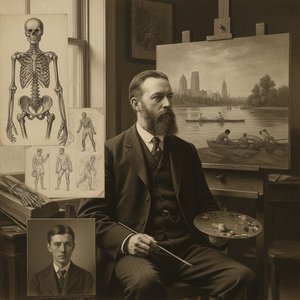
Thomas Eakins: Realism, Anatomy & the American Spirit – A Comprehensive Exploration of Life and Legacy
Explore the life & legacy of Thomas Eakins, a pivotal American Realist painter. Discover his groundbreaking techniques, anatomical precision, and iconic works like 'The Gross Clinic.' A comprehensive guide for art enthusiasts.

